

-
2.09 carats Bluish Green Zambian Emerald Oval Cut Natural Loose Gemstone - greenish_blue
2.09 Carats Natural Bluish Green Emerald featuring an elegant oval faceted cut and distinctive bluish-green color. Sourced from Zambia, this emerald has SI clarity and has received minor oil treatment, making it a beautiful option for rings, pendants, and bespoke jewelry. Product Information: Gemstone...- $455.00
- $455.00
- Unit price
- per
-
greenish_blue
-
1.88 carats Green Zambian Emerald Stone Round Cut Natural Loose Gemstone - Green
1.88 Carats Natural Rich Green Emerald featuring a distinctive round faceted cut with lively brilliance. Sourced from Zambia, this untreated gemstone has SI clarity and a rich green appearance, making it a versatile choice for rings, pendants, bespoke jewelry, and custom designs. Product Information:...- $350.00
- $350.00
- Unit price
- per
-
Green
-
1.86 carats Pear Shape Zambian Emerald Natural Faceted Gemstone - Green
1.86 Carats Natural Zambian Emerald expertly faceted into an elegant Pear Cut, showcasing a graceful elongated silhouette with a vibrant natural green color and attractive brilliance. Sourced from the renowned emerald mines of Zambia, this gemstone features SI clarity and minor oil enhancement, the...- $485.00
- $485.00
- Unit price
- per
-
Green
-
1.49 carats Soft Green Zambian Emerald Oval Cut Natural Gemstone - Green
1.49 Carats Natural Soft Green Emerald beautifully fashioned into an elegant Oval Cut, displaying a delicate soft green hue with attractive brilliance and natural transparency. Sourced from the renowned emerald mines of Zambia, this gemstone features SI clarity and minor oil enhancement, the standard...- $275.00
- $275.00
- Unit price
- per
-
Green
-
1.26 carats Natural Zambian Emerald Stone Step Emerald Cut Loose Gemstone - Green
1.26 Carats Natural Zambian Emerald expertly fashioned in a classic Emerald (Step) Cut with a refined Octagon Shape, showcasing a rich green color and elegant step-cut brilliance. Mined in Zambia, this gemstone features SI clarity and has received minor oil enhancement, a widely accepted...- $315.00
- $315.00
- Unit price
- per
-
Green
-
5.06 carats Natural Emerald Lot Mixed Cut Afghan Gems For Jewelry - Green
5.06 Carats Natural Emerald Lot featuring a carefully selected parcel of Emerald Cut and Cabochon gemstones with attractive natural green color and pleasing brilliance. Sourced from Afghanistan, this collection offers SI clarity and a versatile mix of cuts, making it ideal for custom jewelry,...- $285.00
- $285.00
- Unit price
- per
-
Green
-
4.07 carats Natural Punjshir Emerald Baguette Cut Gemstone from Afghanistan - bluish_green
This 4.07 carats Panjshir Emerald is expertly fashioned in a sleek baguette cut, showcasing its vivid green color and elegant step-cut brilliance. Sourced from the renowned Panjshir Valley of Afghanistan, this natural emerald is prized for its attractive clarity, rich saturation, and collector appeal....- $685.00
- $685.00
- Unit price
- per
-
bluish_green
-
2.89 carats Punjshir Emerald Baguette Cut Natural Gemstone from Afghanistan - bluish_green
This 2.89 carats Panjshir Emerald is expertly fashioned in a sleek baguette cut, showcasing its vivid green color and elegant step-cut brilliance. Sourced from the renowned Panjshir Valley of Afghanistan, this natural emerald is prized for its attractive clarity, rich saturation, and collector appeal....- $385.00
- $385.00
- Unit price
- per
-
bluish_green
-
1.51 carats Natural Zambian Emerald Stone Emerald Cut Loose Gemstone - Green
1.51 Carat Natural Zambian Emerald elegantly cut in a classic emerald shape, showcasing rich green color, attractive transparency, and refined step faceting. Sourced from Zambia, this loose gemstone offers natural brilliance and balanced proportions. A premium choice for fine jewelry, custom rings, or sophisticated...- $275.00
- $275.00
- Unit price
- per
-
Green
-
3.04 carats Natural Zambian Emerald Stone Oval Cut Loose Gemstone - LightGreen
3.04 Carat Natural Zambian Emerald expertly fashioned in a classic oval cut to highlight its rich green color, natural brilliance, and balanced proportions. Sourced from Zambia, known for producing high-quality emeralds with excellent depth and durability, this loose gemstone displays attractive transparency and authentic...- $485.00
- $485.00
- Unit price
- per
-
LightGreen
-
1.54 carats Rich Green Natural Zambian Emerald Cushion Cut Gemstone - Green
This 1.54 carats Rich Green Zambian Emerald is expertly crafted in a classic cushion cut, enhancing its vivid color and natural brilliance. Sourced from Zambia, a region renowned for producing emeralds with exceptional depth and durability, this gemstone displays a rich green hue with natural clarity...- $285.00
- $285.00
- Unit price
- per
-
Green
-
0.79 carats Light Green Natural Emerald Stone Emerald Cut Afghan Gemstone - LightGreen
This 0.79 carats Light Green Emerald is elegantly cut in a refined Emerald shape, highlighting its soft green color and natural crystalline character. Sourced from Afghanistan, this natural emerald displays classic jardin inclusions that confirm its authenticity and origin. Its balanced color, step-cut elegance, and natural...- $135.00
- $135.00
- Unit price
- per
-
LightGreen
-
1.04 carats Light Green Emerald Stone Asscher Cut Natural Afghan Gemstone - LightGreen
This 1.04 carats Light Green Emerald is elegantly cut in a refined Asscher shape, highlighting its soft green color and natural crystalline character. Sourced from Afghanistan, this natural emerald displays classic jardin inclusions that confirm its authenticity and origin. Its balanced color, step-cut elegance,...- $178.00
- $178.00
- Unit price
- per
-
LightGreen
-
0.74 carats Deep Green Zambian Emerald Stone Emerald Cut Natural Gemstone - Green
This 0.74 carats Deep Green Zambian Emerald is expertly crafted in a classic emerald cut, enhancing its vivid color and natural brilliance. Sourced from Zambia, a region renowned for producing emeralds with exceptional depth and durability, this gemstone displays a rich green hue with...- $110.00
- $110.00
- Unit price
- per
-
Green
-
0.52 carats Rich Green Zambian Emerald Stone Emerald Cut Natural Gemstone - Green
This 0.52 carats Rich Green Zambian Emerald is expertly crafted in a classic emerald cut, enhancing its vivid color and natural brilliance. Sourced from Zambia, a region renowned for producing emeralds with exceptional depth and durability, this gemstone displays a rich green hue with...- $110.00
- $110.00
- Unit price
- per
-
Green
-
0.62 carats Rich Green Zambian Emerald Stone Emerald Cut Natural Gemstone - Green
This 0.62 carats Rich Green Zambian Emerald is expertly crafted in a classic emerald cut, enhancing its vivid color and natural brilliance. Sourced from Zambia, a region renowned for producing emeralds with exceptional depth and durability, this gemstone displays a rich green hue with...- $120.00
- $120.00
- Unit price
- per
-
Green
-
0.69 carats Intense Green Zambian Emerald Stone Emerald Cut Natural Gemstone - Green
This 0.69 carats Intense Green Zambian Emerald is expertly crafted in a classic emerald cut, enhancing its vivid color and natural brilliance. Sourced from Zambia, a region renowned for producing emeralds with exceptional depth and durability, this gemstone displays a rich green hue with...- $115.00
- $115.00
- Unit price
- per
-
Green
-
0.77 carats Deep Green Emerald Stone Emerald Cut Natural Gemstone From Zambia - Green
This 0.77 carats Deep Green Emerald is expertly fashioned in a classic emerald cut, enhancing its rich color and natural clarity. Sourced from Zambia, a region renowned for producing emeralds with exceptional depth and durability, this gemstone displays a vivid green hue with elegant...- $120.00
- $120.00
- Unit price
- per
-
Green
-
3.55 carats Green Emerald Stone Asscher Cut Natural Gemstone from Zambia - Green
This stunning 3.55 carat emerald is a natural gemstone sourced from Zambia, renowned for its vibrant green hues and exceptional quality. The stone features a classic asscher cut, which enhances its natural brilliance and allows light to dance across its facets, creating a captivating...- $1,800.00
- $1,800.00
- Unit price
- per
-
Green
-
6.33 Carat Vivid Green Emerald – Natural Colombian Gemstone - bluish_green
Unveil luxury with this breathtaking 6.33 Carat Natural Colombian Emerald, as Vivid Green, the highest standard in emerald color grading. This extraordinary gemstone is expertly fashioned in a classic emerald cut, designed to enhance its clarity and depth while showcasing its intense green saturation....-
bluish_green
-
-
1.03 carats Emerald Stone Emerald Cut Natural Gemstone from Afghanistan - bluish_green
Buy 1.03 Carat Natural Afghan Emerald – Certified, Untreated, Emerald Cut Gemstone Add timeless elegance to your jewelry collection with this exquisite 1.03-carat natural emerald. Expertly emerald-cut to enhance brilliance, this vibrant green gemstone is sourced from premium Afghan mines. Untreated and certified, it's...- $220.00
- $220.00
- Unit price
- per
-
bluish_green
-
1.05 carats Emerald Stone Emerald Cut Natural Gemstone from Afghanistan - bluish_green
Buy 1.05 Carat Natural Emerald Stone Online – Certified Afghan Origin. Upgrade your jewelry collection with this exquisite 1.05 carat emerald gemstone for sale, expertly crafted in the classic emerald cut to bring out its radiant, deep green brilliance. Ethically sourced from the famous...- $220.00
- $220.00
- Unit price
- per
-
bluish_green
-
1.35 carats Green Emerald Stone Emerald Cut Natural Afghan Gemstone - bluish_green
This stunning 1.35 carat emerald stone, meticulously cut into a classic emerald shape, emanates a rich and vibrant green hue that is both captivating and timeless. Sourced from the renowned mines of Afghanistan, this natural gemstone exemplifies the exceptional quality for which Afghan emeralds...- $250.00
- $250.00
- Unit price
- per
-
bluish_green
-
2.37 carats Green Emerald Stone Emerald Cut Natural Gemstone from Afghanistan - bluish_green
This stunning 2.37 carat emerald stone, meticulously cut into a classic emerald shape, emanates a rich and vibrant green hue that is both captivating and timeless. Sourced from the renowned mines of Afghanistan, this natural gemstone exemplifies the exceptional quality for which Afghan emeralds...- $580.00
- $580.00
- Unit price
- per
-
bluish_green
-
8.70 carats Emerald Stone Emerald Cut Natural Gemstone from Zambia - Green
This stunning 8.70 carat emerald is a natural gemstone sourced from Zambia, renowned for its vibrant green hues and exceptional quality. The stone features a classic emerald cut, which enhances its natural brilliance and allows light to dance across its facets, creating a captivating...-
Green
-
-
2.35 carats Emerald Stone Oval Faceted Cut Natural Gemstone from Zambia - bluish_green
This stunning 2.35 carat emerald is a natural gemstone sourced from Zambia, renowned for its vibrant green hues and exceptional quality. The stone features a classic oval cut, which enhances its natural brilliance and allows light to dance across its facets, creating a captivating...- $780.00
- $780.00
- Unit price
- per
-
bluish_green
-
1.65 carats Emerald Stone Emerald Cut Natural Gemstone from Afghanistan - bluish_green
This stunning 1.65 carat emerald stone, meticulously cut into a classic emerald shape, emanates a rich and vibrant green hue that is both captivating and timeless. Sourced from the renowned mines of Afghanistan, this natural gemstone exemplifies the exceptional quality for which Afghan emeralds...- $325.00
- $325.00
- Unit price
- per
-
bluish_green
-
Natural Light Green Emerald Gemstone - LightGreen
Natural Light Green Emerald Gemstone, Available For Sale At wholesale Price Natural High Quality Emerald Cut, 2.50 Carats Loose Emerald from Afghanistan. Product Information: Gemstone Type Natural Light Green Emerald Gemstone Weight 2.50 Carats Dimensions 11.9 x 5.5 x 4.9mm Clarity SI Shape Octagon...- $580.00
- $580.00
- Unit price
- per
-
LightGreen
-
Natural Afghani Emerald Gemstone - LightGreen
Natural Afghani Emerald Gemstone, available for sale at wholesale price natural high quality faceted cut, 3.15 carats, loose emerald from Afghanistan. Product Information: Gemstone Type Natural Afghani Emerald Gemstone Weight 3.15 carats Dimensions 10.2 x 7 x 5.8mm Clarity Included Shape Cushion Cut Faceted...- $265.00
- $265.00
- Unit price
- per
-
LightGreen
Free Shipping on order over $80
100% Authentic & Certified
Save Big in 2026
Emeralds Gemstones
Emerald gemstones are valued for green color that can range from lighter fresh green to rich, vivid green and deeper bluish-green tones. Unlike gemstones where buyers often expect near-perfect transparency, natural emeralds commonly contain visible inclusions and internal features. The strongest buying decision therefore comes from balancing color, clarity, cut, treatment, carat weight, dimensions, and price rather than judging an emerald by one characteristic alone.

Sidebar


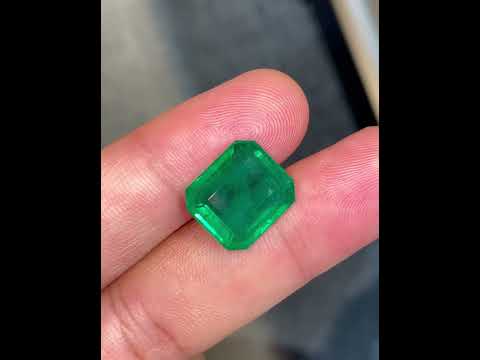


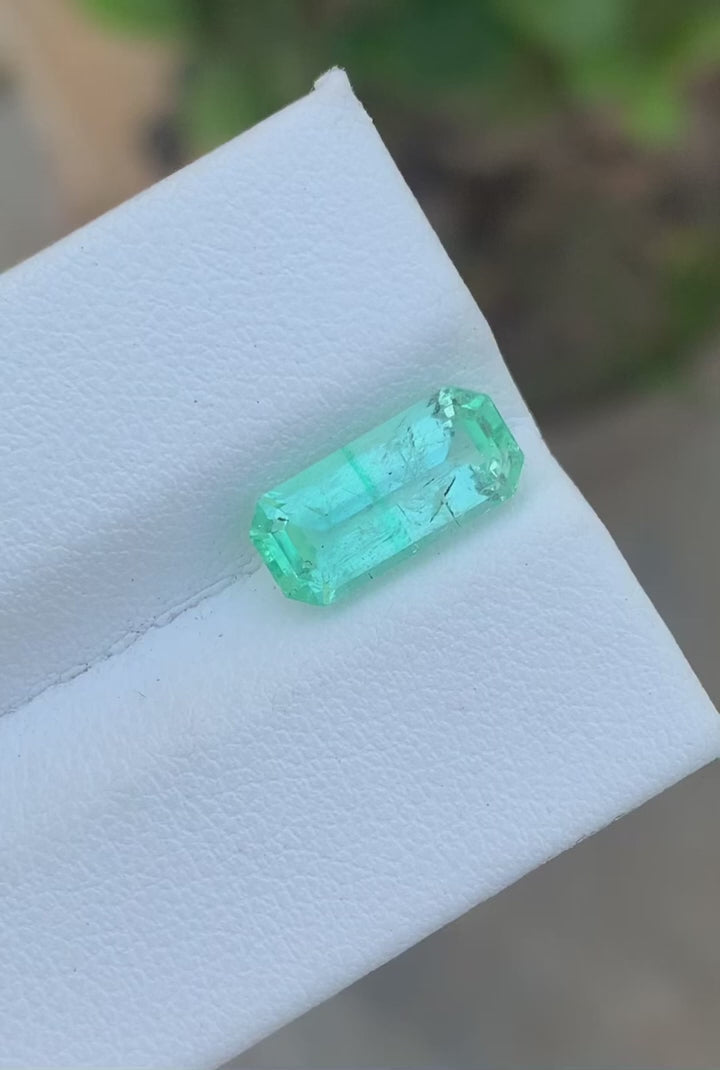

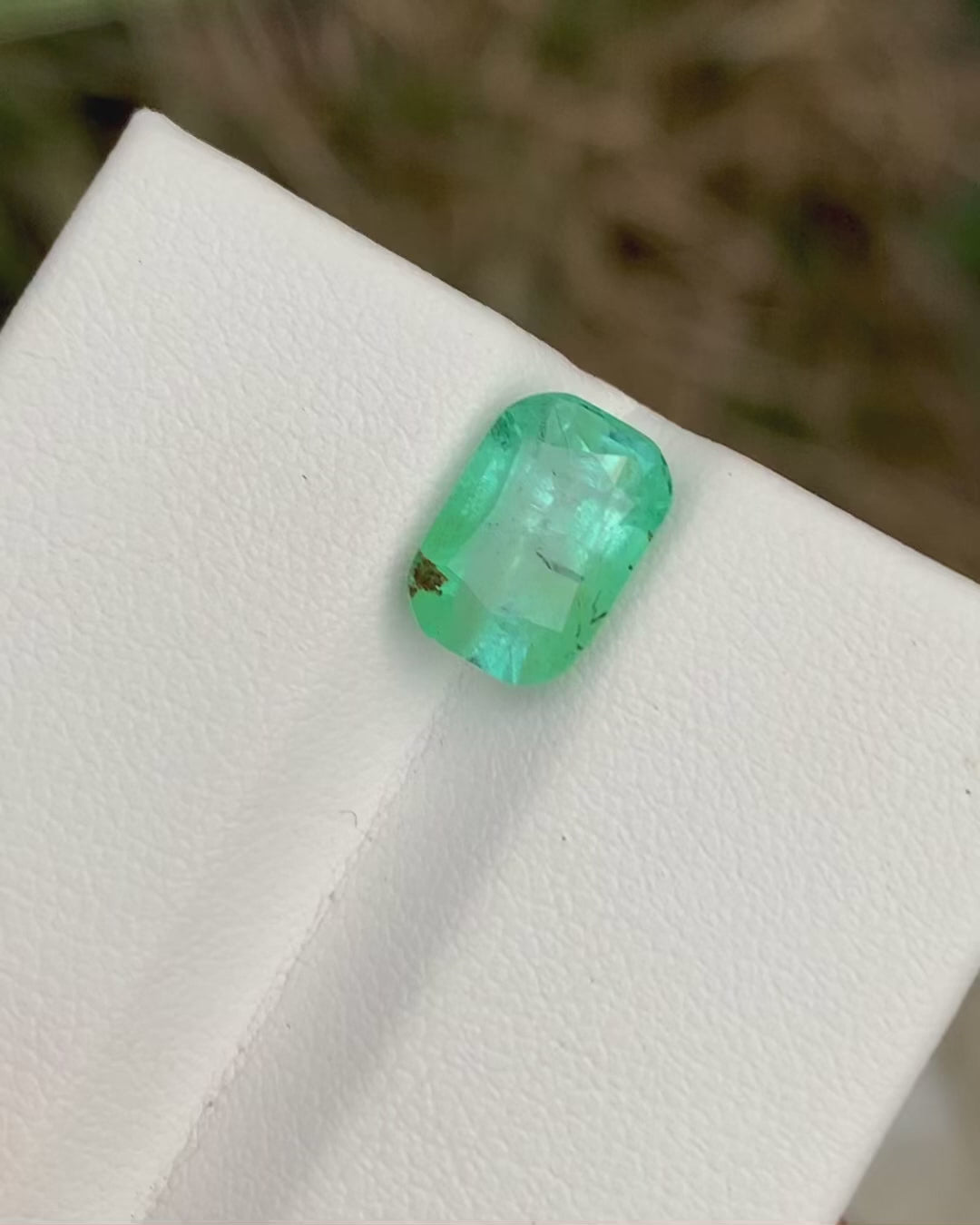
Emerald is the green variety of beryl, the same mineral family that includes aquamarine and morganite. Its color and characteristic inclusions give it a very different appearance from those other beryls. Fine emerald gemstones can show intense green color even when inclusions remain visible, and buyers often accept more natural internal character when the stone has attractive color and transparency.
Buyers comparing different finished gems can place emerald alongside other loose gemstones, but emerald deserves its own quality standards. A clean-looking stone with weak color is not automatically preferable to a more included emerald with exceptional green.
What Is an Emerald Gemstone?
Emerald is a green variety of beryl colored primarily by trace amounts of chromium, vanadium, or both. To be considered emerald rather than ordinary green beryl, the stone needs the characteristic green appearance associated with the gem variety.
Emerald has a Mohs hardness of approximately 7.5 to 8, but hardness alone does not describe how safely the gemstone can be worn. Natural emeralds frequently contain fissures and inclusions, and those internal features can make some stones more vulnerable to impact than their hardness number might suggest.
This is one reason emeralds need thoughtful setting and care, particularly when used in rings.
The mineralogy, history, and green beryl relationship behind emerald gemstones help explain why emerald has its own expectations for clarity, cutting, treatment, and durability.
Emerald Color Comes First
Color is usually the most influential quality factor when buyers compare emerald gemstones.
A desirable emerald should show a green that remains attractive across the face of the stone. Hue, tone, and saturation all matter. Some stones lean slightly bluish-green, while others show a warmer or yellower green.
Very light green may lack the visual intensity many buyers associate with emerald. At the other extreme, a stone can become so dark that brilliance and internal detail disappear.
Strong saturation combined with a medium to medium-dark tone can create the vivid appearance many buyers prefer, but there is no single shade that every person must choose.
Look at color under more than one lighting condition where possible. Emerald can appear different under daylight, indoor lighting, and photography.
An emerald color guide can help separate hue, tone, saturation, and color distribution when two stones seem similar at first glance.
Inclusions Are Normal in Natural Emeralds
Natural emerald gemstones are famous for inclusions. French gemological terminology has long used the word jardin, meaning garden, to describe the internal appearance created by inclusions in some emeralds.
These natural features can include fissures, crystals, growth structures, and other inclusions.
Their presence does not automatically make an emerald undesirable. What matters is how strongly they affect transparency, beauty, and durability.
A fine emerald may contain visible inclusions and still have excellent color and an attractive face-up appearance. A heavily fractured stone, however, can appear cloudy or become more vulnerable during setting and wear.
Position matters as well. A small inclusion near an outer area can be far less distracting than a prominent feature directly beneath the center of the table.
The emerald clarity guide explains why emerald clarity should not be judged by the same expectations commonly applied to highly transparent gems such as aquamarine.
Transparency Still Matters
Accepting natural inclusions does not mean transparency should be ignored.
A transparent or pleasantly translucent emerald allows its green color to remain lively. Excessive cloudiness can reduce brightness and make a gemstone appear dull even when its body color is strong.
When comparing stones, look through the entire face rather than focusing only on individual inclusions. Ask whether the gemstone still has enough transparency for light and color to work together.
A moderately included emerald with good transparency can be visually stronger than a technically cleaner stone with flat or weak color.
This balance between transparency and color is one of the reasons emerald buying cannot be reduced to a simple clarity grade.
Emerald Cut and Shape
The rectangular emerald cut is closely associated with emerald for practical as well as aesthetic reasons.
Its clipped corners remove sharp points that could be vulnerable during setting and wear, while broad step facets can show the gemstone's color clearly. The shape also works well with the elongated crystal form in which beryl may occur.
Emerald gemstones are not limited to emerald cuts. Ovals, cushions, rounds, pears, hearts, and other shapes are also available.
A good cut should make the best use of the individual crystal. The cutter must consider color zoning, inclusions, fissures, crystal shape, weight retention, and durability.
Look for a balanced outline, reasonable symmetry, good polish, and a center that does not appear excessively transparent or lifeless.
A heavier stone is not automatically better if much of its carat weight is hidden in unnecessary depth.
Carat Weight Is Not the Same as Visible Size
Carat measures gemstone weight. It does not tell you how large an emerald will look once viewed from above.
Two emerald gemstones weighing exactly the same can have different lengths, widths, and depths. A deeply cut gemstone may carry considerable weight below the girdle while presenting a smaller face.
Millimeter dimensions therefore matter when choosing an emerald for jewelry.
If a setting already exists, the length, width, depth, corner shape, and girdle need to suit that setting. A stone with the correct carat weight but incorrect dimensions may not fit.
For a new custom design, buyers have more flexibility, but comparing dimensions still helps reveal how efficiently the gemstone uses its weight.
Emerald Treatments Deserve Close Attention
Treatment is particularly important when buying emerald gemstones because clarity enhancement is common in the trade.
Natural fissures in emerald may be filled with oils, resins, or other substances to reduce their visibility and improve apparent transparency. The type and degree of enhancement can influence value, durability, future care, and laboratory reporting.
A treated emerald is still a natural emerald if the underlying gemstone formed naturally. Treatment and natural origin describe different things.
What matters is accurate disclosure and appropriate pricing.
An emerald with minor clarity enhancement may occupy a different market position from a similar-looking stone with significant filling. Buyers spending more on an emerald should understand what treatment information accompanies the individual gem.
Emerald treatments are therefore worth considering alongside color and clarity rather than as an afterthought.
Emerald Durability in Rings
Emerald is hard enough for jewelry, but its common internal fissures make careful wear important.
This matters most in rings because rings regularly encounter hard surfaces, knocks, pressure, and accidental impacts.
An emerald with numerous surface-reaching fissures may need greater protection than a cleaner stone. A setting that protects exposed edges and corners can reduce risk.
Bezel and halo designs can provide more protection in some circumstances, while prong settings should be positioned carefully so excessive pressure is not placed near vulnerable areas.
A jeweler setting an emerald should understand colored stones rather than treating the gem exactly like a diamond.
For everyday wear, color and beauty still matter, but durability should be considered before choosing the final stone and setting.
Emeralds for Pendants and Earrings
Pendants and earrings usually expose emerald gemstones to less impact than rings.
This can make them attractive choices for stones with beautiful color that a buyer may not want exposed to frequent knocks on the hand.
In earrings, matching becomes important. Two emeralds do not need identical inclusions, but their face-up color, dimensions, shape, and brightness should look balanced together.
Carat weight alone is not enough to create a convincing pair.
For pendants, buyers can often consider larger emeralds because the stone is less exposed to everyday contact. A vivid green stone with an attractive outline can become the focal point even when natural inclusions remain visible.
How Origin Affects Emerald Buying
Emeralds are associated with several mining regions, and some localities have developed strong reputations in the gemstone trade.
Origin can influence collector interest and, for some fine emeralds, market value. However, country of origin should never replace direct examination of the stone.
A famous locality does not automatically make an emerald beautiful, and an emerald from a less celebrated source can have exceptional color and transparency.
Determining geographic origin can also require specialist laboratory testing. Appearance alone may not be enough to support a confident origin claim.
For most jewelry buyers, color, clarity, treatment, cut, durability, and price should remain central. Origin becomes particularly important when a documented locality contributes significantly to the asking price.
Laboratory Reports for Emeralds
Not every emerald needs an independent laboratory report, but documentation becomes more useful as value and treatment questions become more important.
A gemological report can help identify the stone and may comment on clarity enhancement. Some laboratories also provide geographic origin opinions when sufficient evidence exists and that service is requested.
A report does not grade beauty for you. Two natural emeralds with legitimate laboratory reports can still differ dramatically in color, transparency, cut, and appeal.
The practical question is whether the information on the report helps justify the buying decision and price.
For higher-value stones, emerald certification can become especially relevant when treatment level or origin contributes to value.
What Determines Emerald Price?
Emerald gemstone prices can vary enormously.
Color is one of the strongest influences. Vivid, attractive green with good saturation can command considerably more than pale or overly dark stones.
Transparency and clarity also matter, but emeralds are not expected to be completely inclusion-free. The value question is how much the inclusions affect beauty and durability.
Carat weight becomes increasingly important as fine-quality stones become larger. Large emeralds combining strong color, good transparency, and manageable inclusions are less common.
Treatment can materially affect price. Stones with different levels or types of clarity enhancement should not automatically be compared as though they are equivalent.
Cut quality, documented origin when relevant, laboratory information, and market demand can contribute as well.
The emerald gemstone price guide is useful when comparing why similarly sized emeralds can carry very different asking prices.
May Birthstone Jewelry
Emerald is traditionally associated with May and remains a popular choice for birthstone jewelry.
The connection can make emerald rings, pendants, and earrings meaningful gifts, but the birthstone association should not replace normal buying considerations.
A May birthstone intended for frequent wear still needs an appropriate setting. Color should still be compared carefully, and treatment information still matters.
The strongest gift is usually an emerald chosen for the recipient's taste rather than simply the darkest or largest stone available.
Someone who prefers subtle jewelry may enjoy a smaller vivid green emerald, while a buyer seeking a statement piece may favor larger dimensions even if the stone contains more visible natural inclusions.
Caring for Emerald Gemstones
Emeralds require more care than their hardness number alone might suggest.
Avoid hard impacts and unnecessary pressure. This is particularly important for stones with surface-reaching fissures.
Harsh cleaning methods can also be problematic. Ultrasonic and steam cleaning may not be appropriate for clarity-enhanced emeralds because heat, vibration, or cleaning solutions can affect filled fissures.
Warm water, mild cleaning methods, and gentle handling are generally safer, but the treatment history and condition of the individual stone should always be considered.
The gemstone care information is especially relevant before cleaning or resetting an emerald.
Store emerald jewelry so it does not rub against harder gemstones or other jewelry pieces.
Buying Emerald Gemstones Online
Online photographs should be considered together with the gemstone's measurements and description.
Start with the green color. Look at whether it remains attractive across the entire face and whether the stone appears lively rather than excessively dark.
Next consider transparency and inclusions. Natural internal features are expected, but look closely for fractures that dominate the stone or reach important edges.
Compare carat weight with millimeter dimensions so you know how large the emerald will actually appear.
Treatment information deserves particular attention. If enhancement is disclosed, understand what information is being provided rather than assuming every emerald has the same treatment history.
Seller representation is equally important. The Gandhara Gems authenticity guarantee explains the approach to identifying and representing gemstones offered for sale.
A complete emerald gemstone buying guide can help organize color, clarity, treatment, cut, dimensions, and price when comparing several emeralds.
Frequently Asked Questions About Emerald Gemstones
What color emerald is most desirable?
Rich, vivid green with attractive saturation and enough brightness to remain lively is widely sought after. Individual preference and the overall quality of the stone still matter.
Are inclusions normal in natural emeralds?
Yes. Natural emeralds commonly contain visible inclusions and fissures. Their effect on transparency, beauty, and durability is more important than simply whether inclusions exist.
Are emerald gemstones treated?
Many emeralds receive some form of clarity enhancement, commonly involving fissure filling. Buyers should consider the treatment information supplied for the individual stone.
Is emerald suitable for an everyday ring?
Emerald can be worn in rings, but natural fissures can make it more vulnerable to impact than hardness alone suggests. A protective setting and sensible wear are important.
Is a darker emerald more valuable?
Not automatically. A gemstone can become too dark and lose brightness. Hue, tone, saturation, transparency, treatment, and overall appearance work together.
Does origin determine emerald quality?
No. Origin may influence market interest or price, but the individual gemstone's color, clarity, treatment, cut, and appearance remain essential.
Does every emerald need a certificate?
No. Laboratory documentation becomes more useful for higher-value stones or when treatment and geographic origin materially affect the purchase.
What cut is best for an emerald?
Emerald cuts are classic and practical, but oval, cushion, round, pear, and other shapes can also be attractive when well proportioned.
What should I check before buying an emerald online?
Check color, transparency, inclusions, cut, dimensions, carat weight, treatment information, price, and any laboratory documentation relevant to the stone.
Choose the Emerald That Looks Beautiful to You
A good emerald purchase starts with color, but it should not end there. Look at how the green appears across the whole gemstone, how much transparency remains despite natural inclusions, whether the cut gives the stone good proportions, and what treatment information accompanies it.
Compare the emerald gemstones currently available at Gandhara Gems by green color, cut, clarity, carat weight, dimensions, treatment, and price. Choose the individual emerald whose appearance and quality fit the ring, pendant, earrings, gift, or personal collection you have in mind.

Recently Viewed Products
Example product title
- $19.99
- $19.99
- Unit price
- / per
Example product title
- $19.99
- $19.99
- Unit price
- / per
Example product title
- $19.99
- $19.99
- Unit price
- / per
Example product title
- $19.99
- $19.99
- Unit price
- / per
Example product title
- $19.99
- $19.99
- Unit price
- / per
Example product title
- $19.99
- $19.99
- Unit price
- / per
Example product title
- $19.99
- $19.99
- Unit price
- / per
Example product title
- $19.99
- $19.99
- Unit price
- / per
Example product title
- $19.99
- $19.99
- Unit price
- / per
Example product title
- $19.99
- $19.99
- Unit price
- / per
- Choosing a selection results in a full page refresh.


