

-
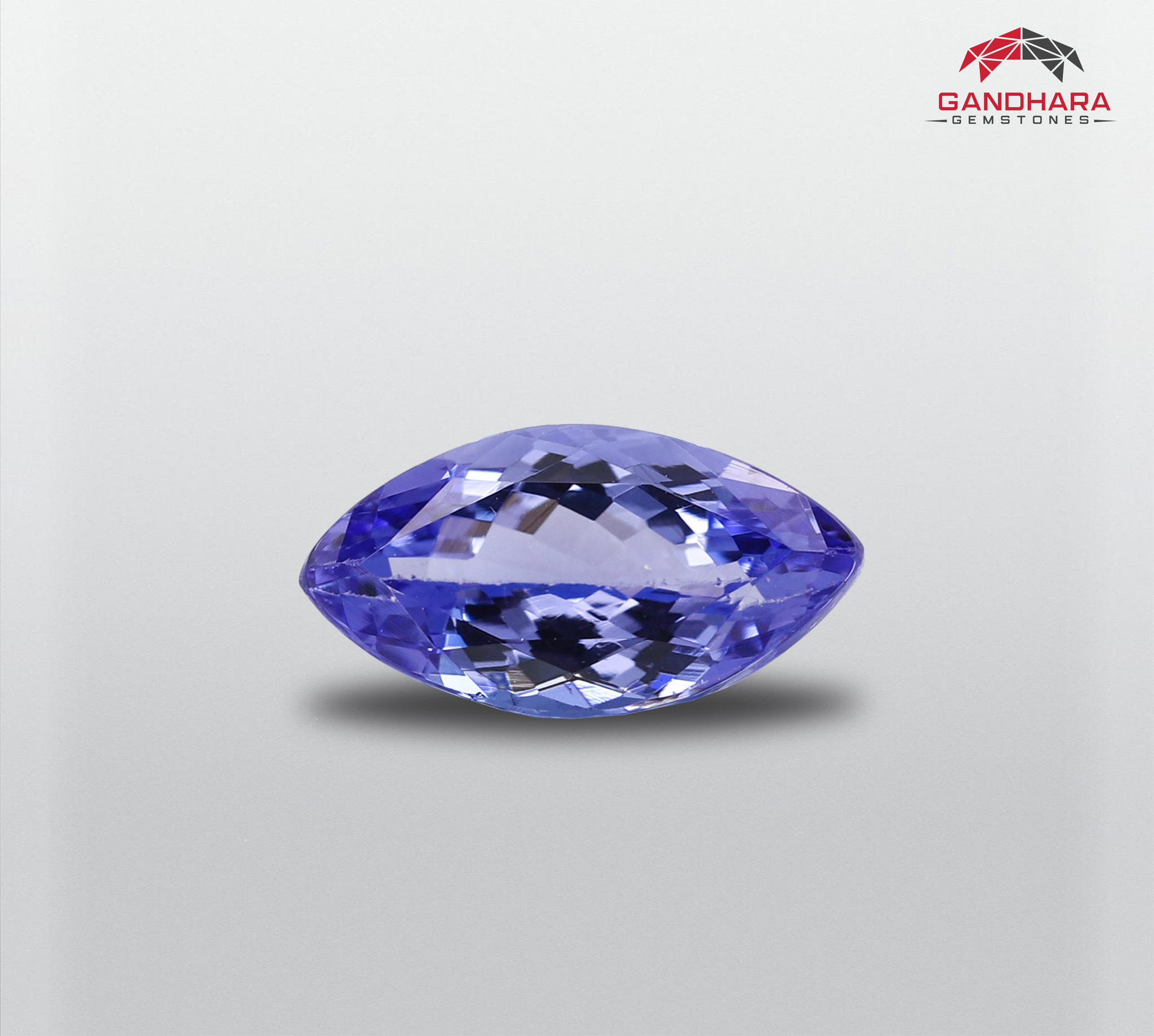
24.75 Carats Mermaid Color Tanzanite Oval Faceted Cut Tanzanian Gemstone - purplish_blue
24.75 Carats Mermaid Color Tanzanite fashioned in an Oval Shape with a Faceted Cut. Sourced from Tanzania, this untreated gemstone features eye-clean clarity and mermaid color. A distinctive centerpiece for custom rings, pendants, bespoke jewelry, or a personal gemstone collection. Product Information: Gemstone Type...-
purplish_blue
-
-
42.47 carats Natural No Heat Tanzanite Stone Cushion Cut Tanzanian Gemstone - purplish_blue
42.47 Carats Natural No Heat Tanzanite beautifully cut in a stunning Cushion Shape, displaying rich violet blue color, exceptional brilliance, and attractive sparkle. Sourced from Tanzania, this rare untreated loose gemstone features impressive clarity and vivid color saturation. A luxurious gemstone ideal for custom...-
purplish_blue
-
-
4.36 carats Blue Tanzanite Pair Oval Cut Natural Tanzanian Gemstones - purplish_blue
This 4.36 carats Blue Tanzanite Pair features two beautifully matched oval cut gemstones, showcasing vivid blue-violet tones and excellent brilliance. Sourced from Tanzania, these natural gemstones are prized for their rarity, striking color, and refined sparkle. Carefully selected for matching size and symmetry, this...- $405.00
- $405.00
- Unit price
- per
-
purplish_blue
-
24.79 carats 4A Grade Natural Tanzanite Stone Oval Cut Tanzanian Gemstone - Blue
24.79 Carat AAAA Grade Natural Tanzanite expertly cut in a classic oval shape, showcasing deep violet-blue color, exceptional brilliance, and impressive size. Sourced from Tanzania, this premium gemstone offers high clarity, rich saturation, and top-grade quality. A statement loose stone ideal for fine jewelry,...-
Blue
-
-
27.81 carats Certified 4A Grade No Heat Tanzanite Stone Cushion Cut Tanzanian Gemstone - Blue
This 27.81 carats 4A Grade Tanzanite is masterfully cut in a refined cushion shape, showcasing exceptional saturation with vivid blue-violet tones. Sourced from Tanzania, this no-heat natural tanzanite retains its original color and rarity, making it highly desirable among collectors and high-end jewelry designers....-
Blue
-
-
2.18 carats Blue Tanzanite Stone Oval Cut Natural Tanzanian Gemstone - Blue
Crafted from the rarest and most exceptional quality Tanzanite, this 2.18 carats Blue Tanzanite Stone is a breathtaking masterpiece of nature's finest artistry. Its oval cut design accentuates the inherent beauty of this natural Tanzanian gemstone, revealing a mesmerizing spectrum of deep blues and...- $250.00
- $250.00
- Unit price
- per
-
Blue
-
4.24 carats Blue Tanzanite Stone Pair Oval Shaped Tanzanian Gemstone - purplish_blue
This exquisite pair of blue tanzanite gemstones weighs a total of 4.24 carats and showcases a captivating deep blue hue, accented with undertones of violet that reveal their unique allure. Each stone is expertly cut into a classic oval shape, enhancing the natural brilliance...- $525.00
$585.00- $525.00
- Unit price
- per
-
purplish_blue
-
9.75 carats Blue Tanzanite Stone Custom Precision Cut Tanzanian Gemstone - purplish_blue
Crafted from the rarest and most exceptional quality Tanzanite, this 9.75 carats Blue Tanzanite Stone is a breathtaking masterpiece of nature's finest artistry. Its custom precision cut design accentuates the inherent beauty of this natural Tanzanian gemstone, revealing a mesmerizing spectrum of deep blues...-
purplish_blue
-
-
1.85 carats Blue Tanzanite Stone Pair Cushion Cut Tanzanian Gemstone - purplish_blue
This exquisite pair of blue tanzanite gemstones, with a combined weight of 1.85 carats, is a true testament to the mesmerizing beauty of nature’s rarest treasures. Each stone features a precision cushion cut, enhancing its brilliance and allowing light to dance across its facets...- $350.00
$390.00- $350.00
- Unit price
- per
-
purplish_blue
-
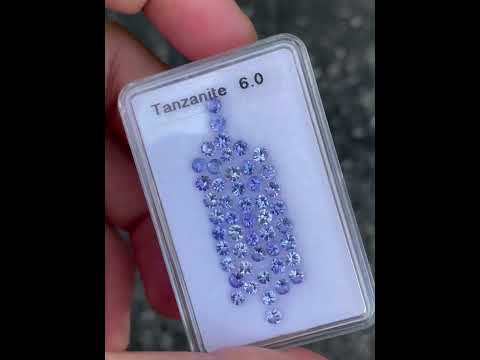
6 carats Blue Tanzanite Lot 48 Piece 3mm Round Cut Tanzanian Gemstones - purplish_blue
This is a stunning lot of 48 round cut Tanzanite gemstones, each measuring approximately 3mm in diameter with a total carat weight of 6 carats. Originating from the rich gem deposits of Tanzania, these stones exhibit the captivating blue-violet hue that Tanzanite is cherished...- $425.00
$475.00- $425.00
- Unit price
- per
-
purplish_blue
-
Heart Shaped Blue Tanzanite Stone Pair 2.35 carats Natural Tanzanian Gemstone - Blue
Introducing an exquisite pair of Heart Shaped Blue Tanzanite Stones, each weighing 2.35 carats, and sourced directly from the rich Tanzanian mines. These natural Tanzanite gemstones are an embodiment of elegance and grace. Product Information: Gemstone Type Heart Shaped Tanzanite Pair Weight 2.35...- $470.00
- $470.00
- Unit price
- per
-
Blue
-
Precious Blue Tanzanite Stones 6.35 carats Oval Shaped Natural Tanzanian Gemstone - Blue
Discover the captivating allure of our exquisite 6.35 carat Oval Shaped Blue Tanzanite Stone, a true masterpiece of nature hailing from the heart of Tanzania. This lustrous gemstone boasts an enchanting blue hue that sparkles and radiates elegance from every angle. Product Information:...- $638.00
- $638.00
- Unit price
- per
-
Blue
-
Purplish Blue Tanzanite Heart Shaped - Blue
Purplish Blue Tanzanite Heart Shaped of 1.30 Carat from Tanzania has a wonderful cut in a heart shape, incredible blue color. Great brilliance. This gem is totally VVS Clarity. Product Information: Gemstone Type Purplish Blue Tanzanite Heart Shaped Weight 1.30 carats Dimensions 6.8...- $160.00
- $160.00
- Unit price
- per
-
Blue
-
Heart shaped Loose Tanzanite Set - Blue
This natural Heart shaped Loose Tanzanite Set of 4.80 ct from Tanzania has a wonderful cut in a heart shape, incredible blue color. Great brilliance. This gem is totally Eye clean. Product Information: Gemstone Type Heart shaped Tanzanite set Weight 4.80 carats (1.20...- $910.00
- $910.00
- Unit price
- per
-
Blue
Free Shipping on order over $80
100% Authentic & Certified
Save Big in 2026
Tanzanite Stones
Tanzanite stones are prized for a distinctive mixture of blue and violet that can shift noticeably with lighting, viewing direction, and cutting orientation. Fine stones may appear predominantly blue from one angle and more violet or purple from another, giving tanzanite a visual character that differs from many other blue gemstones.
Sidebar




Buying tanzanite is mainly about balancing color, cut, clarity, carat weight, dimensions, treatment information, and intended use. Deep color can be attractive, but a stone that becomes excessively dark may hide brilliance. A lighter tanzanite can look exceptionally lively when the cut and proportions are strong, while two stones of identical weight can appear very different in size because of their depth and shape.
Tanzanite sits comfortably among other loose gemstones, but its blue-violet color, pleochroism, limited geographic source, and moderate durability make its buying considerations quite specific.
What Is Tanzanite?
Tanzanite is the blue-to-violet gem variety of zoisite. Its gemological identity, color behavior, and relatively recent rise in the jewelry market have given it a distinctive place among colored gemstones.
Natural tanzanite crystals can show more than one color when viewed from different crystallographic directions. This pleochroism is one of the defining visual characteristics of the stone. Depending on orientation and treatment, a crystal may display blue, violet, purple, and sometimes brownish or greenish components.
The geology and history behind tanzanite from Tanzania help explain why locality is so closely associated with the gem.
For buyers, however, the visible result remains the most important starting point: does the stone show the blue-violet balance, brightness, and cut you actually want?
Tanzanite Comes From Tanzania
Tanzanite is closely associated with the Merelani mining area of northern Tanzania, near Mount Kilimanjaro.
That geographically restricted commercial source distinguishes tanzanite from gemstones such as sapphire, garnet, or aquamarine, which occur in multiple major gem-producing regions.
The limited locality does not mean every tanzanite stone has the same rarity, quality, or value. Color, clarity, cut, size, and treatment still vary considerably.
A small pale stone and a large vivid blue-violet stone may both be genuine tanzanite while occupying very different parts of the market.
Geographic origin should therefore add context rather than replace direct assessment of the gemstone itself.
Choosing Tanzanite by Color
Color is usually the strongest quality factor when comparing tanzanite stones.
The most familiar appearance combines blue with violet. Some stones lean strongly blue, while others show more violet or purple. Lighter examples can display periwinkle or lavender-blue tones.
Tone also matters. A medium to medium-dark stone can show strong saturation without losing too much brightness, while excessive darkness may make parts of the gem appear almost black.
The balance between blue and violet often changes with light source. Daylight, warm indoor lighting, and jewelry-store lighting may emphasize different parts of the color.
The tanzanite color guide is useful when comparing stones that differ in blue-violet balance, tone, and saturation.
There is no requirement that every buyer prefer the bluest stone. A vivid violet-blue tanzanite can be just as visually compelling if that color suits the jewelry and personal preference.
Pleochroism Gives Tanzanite Its Character
Tanzanite's pleochroism means the crystal can show different colors when viewed in different directions.
Before cutting, zoisite may show combinations that include blue, violet, brown, greenish, or other tones depending on the crystal and treatment history. Cutting orientation determines which colors dominate when the finished gemstone is viewed face-up.
This creates an important challenge for the cutter. Orienting for the strongest blue may require sacrificing more weight, while orienting primarily to retain weight may produce a stone with more violet.
Neither result is automatically wrong. Buyers should judge the finished gemstone they can actually see.
A well-oriented tanzanite should use its pleochroism attractively rather than showing a distracting patchwork of unrelated colors.
Cut Can Change Tanzanite Dramatically
Cut quality strongly influences how tanzanite stones display color and brightness.
Oval and cushion shapes are common because they can balance face-up size with good light return. Emerald cuts can emphasize transparency and create a calmer appearance, while pears, rounds, trillions, and fancy cuts offer different visual proportions.
The cutter must consider color orientation as well as shape. Because different crystal directions can emphasize blue or violet, the decision about how the stone sits inside the original crystal can significantly affect its final appearance.
Depth also matters. An unnecessarily deep pavilion can hide carat weight beneath the girdle without creating equivalent visible size.
A stone cut too shallow may show a window through the center, allowing the viewer to see through rather than seeing light returned from the facets.
The strongest tanzanite stones bring color orientation, symmetry, face-up size, and brilliance together.
Clarity in Tanzanite Stones
Faceted tanzanite is often available with good transparency, particularly in stones selected for jewelry.
Natural inclusions can still occur. These may include small crystals, feathers, growth features, or fractures.
As with other transparent gems, location matters. A minor inclusion close to the edge may have little visible effect, while a dark feature directly beneath the table can be much easier to notice.
Surface-reaching fractures deserve particular attention because tanzanite requires more care than harder jewelry stones.
For most buyers, an eye-clean appearance is a practical goal. Microscopic inclusions that cannot be seen during normal wear usually matter less than color, cutting, and visible proportions.
Tanzanite Carat Weight and Visible Size
Carat weight tells you how much a gemstone weighs, not how large it looks.
Two 3-carat tanzanite stones can have noticeably different face-up dimensions when one is deeper than the other. Length, width, and depth therefore deserve attention alongside carat weight.
This becomes especially important when buying tanzanite for a ring or an existing setting.
An efficiently proportioned oval or cushion can provide substantial visible coverage without hiding unnecessary weight underneath. A deeply cut stone may have a more impressive carat number but look smaller from above.
Larger tanzanite stones can also show stronger color because greater crystal depth can make saturation more apparent, although the cut still determines whether that color remains bright.
Tanzanite Stone Prices
Prices for tanzanite stones vary according to color, clarity, carat weight, cutting quality, dimensions, and overall appearance.
Color usually plays a major role. Stones with an attractive blue-violet balance and strong saturation generally attract more interest than pale examples, provided they remain lively rather than excessively dark.
Size matters because fine larger stones are less common than small commercial gems. The price per carat can therefore change as quality and size increase.
Clarity affects price as well, although a clean-looking stone with average color may not be more desirable than a slightly included stone with much stronger face-up beauty.
Cut can also influence value substantially. A well-oriented stone that shows attractive blue and violet while maintaining good brilliance may deserve more attention than a heavier stone with poor proportions.
The tanzanite gemstone price guide separates these factors for buyers comparing stones within similar quality and size ranges.
Heat Treatment and Tanzanite
Heat treatment is closely associated with the commercial tanzanite market.
Much tanzanite is heated to reduce brownish or other unwanted tones and emphasize the blue-violet colors buyers commonly associate with the gemstone.
Treatment does not mean the stone is synthetic. A heat-treated tanzanite is still a natural gemstone if the original crystal formed naturally.
The important issue is representation. Buyers should understand the treatment information supplied with the individual stone and compare it with other gems sold under similar conditions.
Tanzanite treatments deserve particular attention for anyone trying to understand the difference between natural formation and post-mining color modification.
Color alone cannot reliably establish treatment history.
Tanzanite Is Not as Hard as Sapphire
Tanzanite generally falls around 6 to 7 on the Mohs hardness scale. More importantly, it also has cleavage that requires consideration during setting and wear.
That makes it less forgiving than sapphire gemstones for jewelry exposed to frequent impact.
This does not mean tanzanite cannot be worn in rings. It means the setting and lifestyle should suit the gemstone.
A pendant or pair of earrings generally exposes tanzanite to fewer hard knocks. A ring worn every day is more likely to strike countertops, door frames, tools, gym equipment, or other hard surfaces.
Buyers choosing tanzanite for frequent wear should therefore think beyond scratch resistance and consider protection against impact as well.
Tanzanite for Rings
Tanzanite can make a striking ring, especially when the gemstone has strong blue-violet color.
For occasional or careful wear, many different setting styles can work. For more frequent wear, a protective design is preferable.
A bezel, halo, or setting with enough surrounding structure to protect exposed edges can reduce some impact risk. Pears and other pointed shapes deserve extra protection at their tips.
Large tanzanite stones should also be set securely because their greater surface area can leave them more exposed.
An experienced jeweler should take the stone's cleavage and condition into account during setting. Excessive pressure in the wrong place can be problematic.
For buyers who want a blue gemstone for a ring worn continuously, the durability difference between tanzanite and sapphire is worth considering before making the final choice.
Tanzanite for Pendants
Pendants are one of the most comfortable ways to wear tanzanite because the gemstone receives less direct impact than it would on the hand.
Larger stones can display the blue-violet color particularly well in pendants. Ovals, cushions, emerald cuts, and pears can all create a strong focal point.
A pendant also allows more freedom to choose a lighter or more delicate stone because day-to-day abrasion is generally lower.
When selecting tanzanite for a pendant, pay close attention to how the stone looks against skin and clothing. A color that appears strongly blue against a white photography background may show more violet in normal wear.
Tanzanite for Earrings
Tanzanite earrings can range from smaller studs to larger drops.
Matching natural stones requires attention to color, dimensions, shape, and brightness rather than carat weight alone.
Two tanzanite stones may weigh almost exactly the same but show different blue-violet balances because of orientation. That difference can become noticeable when worn side by side.
A convincing pair should therefore look harmonious face-up.
Earrings also place relatively low durability demands on the gemstone, making them a practical option for someone who loves tanzanite color but does not want the additional care required by a frequently worn ring.
Tanzanite as a December Birthstone
Tanzanite is recognized as one of the gemstones associated with December, alongside turquoise and zircon.
Its blue and violet tones make it an especially distinctive birthstone choice for buyers who prefer transparent faceted gems.
The relationship between tanzanite and the December birthstone can add personal significance to a ring, pendant, or pair of earrings without changing the basic quality considerations.
Color, cut, clarity, size, treatment, and durability should still determine which specific stone makes sense.
For gifts, personal color preference matters. Some recipients may prefer predominantly blue tanzanite, while others may be drawn to a stronger violet component.
Tanzanite vs Sapphire
Tanzanite and sapphire can both occupy the blue gemstone category, but they have very different visual and physical characteristics.
Sapphire is significantly harder and is generally better suited to continuous ring wear. Tanzanite offers a distinctive blue-violet appearance and stronger pleochroic character.
Fine sapphire can show highly saturated blue, while tanzanite often moves between blue and violet depending on lighting and angle.
Their prices also depend on different factors, so comparing equal carat weights without considering color and quality is not very useful.
For a daily-wear ring, durability may push a buyer toward sapphire. For earrings, pendants, or carefully worn jewelry, tanzanite's unusual color can become the stronger attraction.
Tanzanite Authenticity and Documentation
Blue-violet appearance alone does not establish gemstone identity.
Other natural gems, synthetic stones, and imitations can occupy similar color ranges. Reliable identification therefore becomes more important as size, quality, and price increase.
Gandhara Gems' authenticity guarantee explains how gemstones offered for sale are represented.
Independent laboratory documentation may also be useful for significant purchases when identification or treatment information materially affects the decision.
A report does not tell you whether you will personally prefer one stone's color over another, so gemological documentation should complement rather than replace visual comparison.
Caring for Tanzanite Stones
Tanzanite deserves gentle handling because its combination of moderate hardness and cleavage makes strong impacts a greater concern than with tougher everyday jewelry gems.
Store loose tanzanite stones separately so they do not rub against harder gemstones. Diamonds, sapphires, rubies, and many other gems can scratch polished tanzanite surfaces.
Avoid sudden temperature changes and harsh handling. A stone should also be protected during activities such as exercise, cleaning, gardening, repairs, or other work involving hard surfaces.
Cleaning should be conservative. The gemstone care recommendations provide practical guidance for keeping colored gemstones clean while avoiding unnecessary risks.
For tanzanite jewelry, gentle cleaning is preferable to aggressive methods that expose the stone to heat, vibration, or impact.
Buying Tanzanite Stones Online
Start with face-up color rather than the carat number. Decide whether you prefer strong blue, violet-blue, bluish violet, or a lighter periwinkle appearance.
Then look at the cut. Check whether light moves across the stone attractively and whether the center remains lively instead of showing a pronounced window.
Compare carat weight with millimeter dimensions. This shows whether the stone uses its weight efficiently.
Clarity should generally be good enough that inclusions do not distract during normal viewing. Treatment information, authenticity, and intended jewelry use complete the decision.
The tanzanite gemstone buying guide brings color, cutting, clarity, dimensions, durability, and price together when comparing individual stones.
Frequently Asked Questions About Tanzanite Stones
What color is the best tanzanite?
Strong blue to violet-blue with attractive saturation and brightness is widely desired, but some buyers prefer stones with a more noticeable violet component. Face-up beauty matters more than choosing a color label alone.
Where does tanzanite come from?
Commercial tanzanite is associated with the Merelani mining area in northern Tanzania.
Is tanzanite suitable for an everyday ring?
It can be worn in rings, but tanzanite requires more care than harder gems such as sapphire. Protective settings and sensible wearing habits are important.
Is tanzanite usually treated?
Heat treatment is common in the tanzanite market and is used to emphasize the blue-violet appearance associated with the gem.
Is tanzanite a sapphire?
No. Tanzanite is a variety of zoisite, while sapphire is corundum. They differ in composition, durability, optical properties, and typical color behavior.
Why does tanzanite change color?
Tanzanite is pleochroic, so different crystal directions can show different colors. Lighting and cutting orientation can make blue or violet more prominent.
Does larger tanzanite cost more per carat?
Fine larger stones can command higher prices per carat, but size must be considered together with color, clarity, cut, treatment, and overall quality.
What cuts work well for tanzanite?
Oval, cushion, emerald, pear, round, trillion, and other cuts can all work well when the orientation and proportions suit the crystal.
What should I check before buying tanzanite online?
Compare color, cut, clarity, carat weight, dimensions, treatment information, durability, authenticity, photographs, and price.
Choose Tanzanite for Its Blue-Violet Character
Tanzanite is most compelling when its changing blue and violet colors remain attractive from the face of the finished stone. Compare the color you actually see, how the cut handles light, how efficiently the gemstone uses its weight, and whether its durability suits the jewelry you intend to make.
Compare the tanzanite stones currently available at Gandhara Gems by blue-violet color, cut, clarity, carat weight, dimensions, and price. Choose the individual tanzanite whose face-up color and proportions fit the ring, pendant, earrings, gift, or personal collection you have in mind.

Recently Viewed Products
Example product title
- $19.99
- $19.99
- Unit price
- / per
Example product title
- $19.99
- $19.99
- Unit price
- / per
Example product title
- $19.99
- $19.99
- Unit price
- / per
Example product title
- $19.99
- $19.99
- Unit price
- / per
Example product title
- $19.99
- $19.99
- Unit price
- / per
Example product title
- $19.99
- $19.99
- Unit price
- / per
Example product title
- $19.99
- $19.99
- Unit price
- / per
Example product title
- $19.99
- $19.99
- Unit price
- / per
Example product title
- $19.99
- $19.99
- Unit price
- / per
Example product title
- $19.99
- $19.99
- Unit price
- / per
- Choosing a selection results in a full page refresh.


