


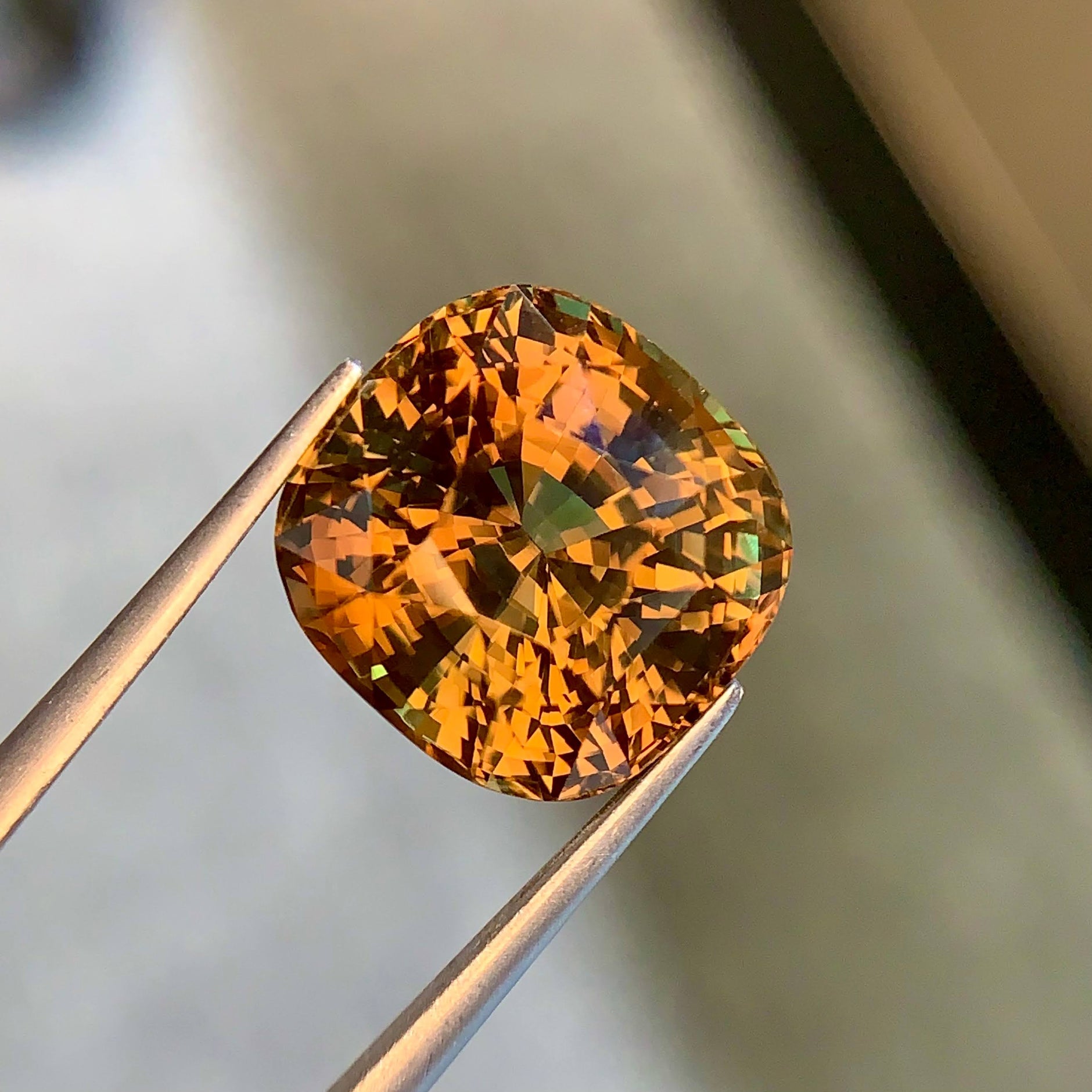


Blue Gemstones: Meaning, Types, and Buying Guide
Blue gemstones include sapphire, aquamarine, tanzanite, blue topaz, lapis lazuli, blue spinel, turquoise, and blue diamond. Their colors range from delicate sky blue and ocean-inspired teal to saturated royal blue, violet-blue, and deep midnight blue. Sapphire and spinel are particularly attractive for durable fine jewelry, aquamarine and blue topaz offer transparent lighter-blue alternatives, while turquoise and lapis lazuli provide distinctive opaque colors and patterns.
The meaning of blue gemstones often centers on loyalty, wisdom, tranquility, trust, and communication. These associations developed through cultural traditions, religious imagery, historical jewelry, and modern gemstone symbolism. A blue sapphire may represent lasting commitment in an engagement ring, while aquamarine can evoke the openness of the sea. Lapis lazuli has an especially significant artistic history, and turquoise has been valued by numerous cultures for decorative and ceremonial purposes.

Choosing the right blue gemstone involves more than finding a pleasing shade. Color saturation, tone, clarity, cutting quality, durability, treatment disclosure, size, and intended jewelry use can substantially change the buying decision. A vivid sapphire and a similarly colored blue topaz may look attractive in photographs but differ in mineral identity, rarity, common treatments, and market value. Understanding those distinctions makes it easier to select a gemstone that fits both the design and the available budget.
Blue Gemstones at a Glance
| Blue gemstone | Typical color | Mohs hardness | Notable characteristic | Common jewelry use |
|---|---|---|---|---|
| Blue Sapphire | Medium to deep royal blue | 9 | Durable corundum with excellent fine-jewelry potential | Engagement rings, heirloom jewelry |
| Aquamarine | Pale blue to greenish blue | 7.5–8 | Transparent beryl with an elegant appearance | Pendants, earrings, rings |
| Tanzanite | Violet-blue to bluish violet | 6–7 | Strong pleochroism and distinctive violet undertones | Pendants, earrings, occasional-wear rings |
| Blue Topaz | Sky blue, Swiss blue, London blue | 8 | Bright, transparent gemstone with commonly treated color | Rings, earrings, pendants |
| Lapis Lazuli | Deep blue to violet-blue | 5–6 | Opaque gemstone rock containing several minerals | Cabochons, beads, carved jewelry |
| Blue Spinel | Grayish blue to vivid cobalt-like blue | 8 | Attractive brilliance and uncommon fine blue colors | Rings, pendants, collectible gems |
| Turquoise | Sky blue to greenish blue | 5–6 | Opaque stone, sometimes with natural matrix | Cabochons, bracelets, silver jewelry |
| Blue Diamond | Pale blue to vivid fancy blue | 10 | Exceptional hardness and potentially rare natural color | Fine rings, collectible jewelry |
Mohs hardness indicates resistance to scratching, not overall resistance to breakage. Cleavage, toughness, treatments, and jewelry construction also affect how safely a gemstone can be worn.
What Do Blue Gemstones Symbolize?
Blue has long been associated with the sky and water, giving blue gemstones a distinctive place in decorative arts and spiritual symbolism. Across different traditions, the color has represented peacefulness, faithfulness, wisdom, and authority. The interpretation varies according to the gemstone, period, and cultural setting rather than following one universal meaning.
Blue sapphire has frequently appeared in royal and religious jewelry, where its rich color has contributed to associations with dignity, commitment, and protection. Aquamarine's watery appearance inspired traditions connecting it with the sea and safe journeys. Lapis lazuli held an important place in ancient Egyptian ornamentation and artistic production, while turquoise has been valued in the jewelry and ceremonial traditions of several regions.
Modern crystal practices sometimes associate blue gemstones with the throat chakra, a spiritual concept connected with communication and self-expression. These beliefs may be personally meaningful, although gemstone colors do not establish measurable effects on emotional or physical health.
For most buyers, symbolism becomes especially relevant when choosing a gift. A sapphire ring may commemorate a lasting partnership, an aquamarine pendant may celebrate a birthday, and a blue spinel can mark a memorable personal achievement. The most meaningful choice often combines a tradition the recipient appreciates with a gemstone they genuinely enjoy wearing.
Eight Popular Types of Blue Gemstones and Their Properties
Blue Sapphire: Rich Color and Durability for Fine Jewelry
Blue sapphire is one of the best-known blue gemstones, valued for its saturated color, brilliance, and suitability for long-lasting jewelry. It is the blue variety of corundum, a mineral with a Mohs hardness of 9. This hardness, combined with generally good toughness, makes sapphire a strong candidate for rings intended for frequent wear.
Sapphire colors range from lighter blue to deep blue with violet or greenish undertones. Fine stones often display a desirable balance of hue, saturation, and tone. A sapphire with strong saturation may appear particularly vivid, but excessive darkness can conceal brilliance and make the stone look nearly black under ordinary lighting.
Natural sapphires may contain internal features such as rutile needles, growth structures, or other inclusions. These features can provide valuable information during gemological examination, but visible inclusions alone do not prove that a gemstone is natural.
Sri Lanka, Madagascar, Myanmar, and the Kashmir region are historically important sapphire sources. Geographic origin can influence market perception, particularly for certain highly regarded deposits, but a stone's appearance does not establish where it was mined. Reliable origin conclusions generally require specialized laboratory analysis.
Heating is a common sapphire treatment and can modify color or clarity. Some sapphires undergo more complex enhancement processes, making treatment disclosure an important part of a substantial purchase.
For engagement rings and heirloom jewelry, sapphire offers a compelling combination of beauty and practical durability. Buyers should prioritize a pleasing face-up appearance, accurate treatment information, and cutting proportions that complement the intended setting.
Aquamarine: Transparent Ocean-Blue Beryl
Aquamarine is the blue to greenish-blue variety of beryl. Its colors often resemble clear seawater, ranging from delicate pastel blue to stronger blue tones in finer examples.
With a Mohs hardness of 7.5–8, aquamarine is suitable for many jewelry applications when protected against significant impacts. It is particularly attractive in pendants, earrings, and carefully designed rings, where its transparency and understated color can become central design features.
Aquamarine's relatively light coloring makes cutting quality especially important. A poorly proportioned stone may display a large transparent window through the center, reducing the brilliance visible from the front. A well-cut gem should balance attractive color with pleasing light return.
Some buyers prefer slightly greenish-blue aquamarine, while others favor a purer blue appearance. Neither preference is universally correct; the final decision should reflect the buyer's taste and the specific gemstone's overall quality.
Aquamarine occurs in several countries, including Brazil, Pakistan, Nigeria, and Mozambique. Pakistan's northern mountain regions are recognized for producing attractive aquamarine crystals, although geographic origin should not be assumed from color or appearance.
Heat treatment is commonly used to reduce greenish components and produce a bluer appearance. A naturally mined aquamarine may therefore be heated without ceasing to be a natural gemstone.
Aquamarine is an appealing choice for someone who wants an elegant blue stone that feels visually lighter than sapphire.
Tanzanite: Distinctive Violet-Blue Gemstone From Tanzania
Tanzanite is the blue-to-violet gemstone variety of zoisite. Commercial tanzanite comes from a limited mining region in northern Tanzania, giving it a distinctive geographic identity within the colored gemstone market.
Its most recognizable feature is its combination of blue and violet tones. Tanzanite is pleochroic, meaning different colors or color intensities can be observed from different crystallographic directions. This characteristic influences the way cutters orient the gemstone to produce an attractive face-up appearance.
Fine tanzanite may display strong violet-blue saturation, while lighter examples can appear softer and more lavender-toned. Some buyers prefer predominantly blue stones, whereas others appreciate a stronger violet component.
Tanzanite measures approximately 6–7 on the Mohs hardness scale and has cleavage that makes it more vulnerable to damage than sapphire or spinel. Although it can be used in rings, its durability makes protected pendants and earrings especially practical choices.
Much commercial tanzanite is heat-treated to modify its color, commonly reducing brownish components and emphasizing attractive blue or violet tones. Buyers should seek accurate treatment information without assuming that heating necessarily makes the gemstone less desirable for personal jewelry.
Tanzanite is associated symbolically with transformation and new beginnings in contemporary gemstone traditions. Its unusual color makes it especially appealing for anniversary gifts, statement pendants, and collector jewelry.
Its restricted geographic occurrence is noteworthy, but claims that tanzanite is a particular number of times rarer than diamond should not be accepted without a clearly defined comparison.
Blue Topaz: Bright Sky-Blue, Swiss-Blue, and London-Blue Varieties
Blue topaz is popular among buyers who want transparent blue gemstones with strong visual impact. Commercial descriptions commonly distinguish Sky Blue, Swiss Blue, and London Blue varieties, although these names are trade color categories rather than different mineral species.
Sky Blue topaz generally has a light blue appearance. Swiss Blue topaz is often brighter and more saturated, while London Blue topaz usually displays a darker blue tone that may include grayish or greenish nuances.
Topaz has a Mohs hardness of 8, but its perfect basal cleavage means that hard impacts can still cause damage. A suitable protective setting is important for rings and other jewelry exposed to frequent contact.
The blue color of most commercial blue topaz is produced through irradiation followed by heating. The starting topaz can be natural, but the familiar commercial blue shades are generally treated rather than naturally occurring in their final appearance.
Treatment disclosure is therefore particularly relevant when shopping for blue topaz. A seller describing a stone as natural topaz should not leave buyers with the impression that its strong blue color necessarily formed without enhancement.
Blue topaz works especially well in larger faceted jewelry because attractive transparent stones are commercially available in a range of shapes and sizes. Its relative affordability compared with fine blue sapphire makes it an appealing alternative for decorative earrings, pendants, and statement rings.

Lapis Lazuli: Deep Blue Gemstone With Golden Pyrite Flecks
Lapis lazuli differs from transparent blue gems because it is an ornamental rock composed of several minerals rather than a single mineral species. Its blue coloring is primarily associated with lazurite, while pyrite can create metallic golden flecks and calcite may introduce white areas.
The most admired lapis lazuli often displays a rich, saturated blue with limited distracting white calcite. Small, attractively distributed pyrite flecks can add character without necessarily reducing desirability.
Lapis lazuli has an important artistic history. It was used in ancient jewelry, carved ornaments, and decorative objects, and selected lapis was historically processed to obtain the blue pigment ultramarine.
Its cultural significance has encouraged associations with truth, wisdom, friendship, and spiritual reflection.
Depending on composition, lapis lazuli generally has a Mohs hardness of approximately 5–6. Its softer character makes it better suited to carefully worn jewelry, especially pendants, earrings, beads, and protected cabochon settings.
Some commercial lapis lazuli is dyed or treated with wax or other substances to improve appearance. A rich blue color by itself does not demonstrate untreated origin.
Buyers should examine color uniformity, polish, visible white calcite, pyrite distribution, and treatment information. Those who prefer a smooth, uninterrupted royal-blue appearance may choose a different stone from someone who enjoys natural mineral patterns.
Blue Spinel: An Alternative to Sapphire With Excellent Brilliance
Blue spinel is a distinctive gemstone valued for its attractive transparency and, in fine examples, vivid blue coloring. Some exceptional stones display cobalt-like blue tones, although not every blue spinel owes its color to cobalt.
Spinel has a Mohs hardness of 8 and generally good toughness, making it suitable for many jewelry applications. Its brilliance and durability allow it to compete visually with other transparent blue gemstones while retaining its own gemological identity.
Blue spinel can range from pale grayish blue to more intense blue and blue-green shades. Strongly saturated examples with good clarity may be particularly desirable, while very dark stones can lose visible brilliance.
Unlike blue topaz, fine natural blue spinel is not generally characterized by routine color treatment. Nevertheless, treatments and laboratory-grown counterparts exist, so identification remains important.
Blue spinel is particularly interesting to buyers who want a less familiar gemstone for a ring or pendant. It can offer excellent visual appeal when its color and cutting proportions are well matched.
When comparing spinel with sapphire, consider both appearance and treatment information rather than assuming the less familiar gemstone must always be less expensive.

Turquoise: Opaque Blue Gemstone With Historic Significance
Turquoise is an opaque blue-to-green gemstone recognized for its distinctive coloring and long cultural history. Copper contributes to its blue appearance, while variations in composition and formation conditions can influence its color and texture.
Some turquoise displays dark veins or web-like patterns known as matrix. Buyers differ in their preferences: some favor evenly colored sky-blue stones, while others appreciate attractive natural matrix patterns.
Turquoise has been used in jewelry and ceremonial objects across numerous cultures, including traditions in ancient Egypt, the Middle East, and Indigenous communities of the Americas. Its symbolic meanings vary by culture and should not be reduced to a single universal interpretation.
Turquoise generally measures 5–6 on the Mohs hardness scale. Its porosity and sensitivity to certain substances make careful handling important.
Stabilization is a common commercial treatment used to improve the durability of some turquoise. Dyeing and other enhancements may also occur, while imitation stones such as dyed howlite can be marketed misleadingly.
A buyer should distinguish untreated natural turquoise, stabilized turquoise, dyed turquoise, and imitation products. These categories differ in identity, treatment, commercial value, and maintenance requirements.
Turquoise works particularly well in cabochon jewelry, silver rings, bracelets, and traditional-inspired designs.
Blue Diamond: Rare Natural Color and Exceptional Hardness
Blue diamond is distinguished by its diamond identity and blue body color. Some natural blue diamonds owe their coloration to trace boron, although diamond color mechanisms can vary.
Diamond ranks 10 on the Mohs hardness scale, making it the hardest natural mineral on that scale. Its excellent scratch resistance is valuable for jewelry, although diamonds can still chip or break under certain impacts because hardness and toughness are different properties.
Natural fancy-blue diamonds may be exceptionally rare, particularly when they display strong color saturation and attractive clarity. Their market values can differ enormously according to color, size, origin, cutting, and independent grading.
Buyers must distinguish naturally colored blue diamonds from treated-color natural diamonds and laboratory-grown blue diamonds. All three categories can produce attractive jewelry, but they are not commercially interchangeable.
A reputable gemological laboratory report is especially important for a high-value blue diamond. The report should identify the diamond's natural or laboratory-grown origin and, when determinable, whether the blue color is natural or the result of treatment.
Blue diamonds are associated with rarity, commitment, and luxury, but their high acquisition costs do not guarantee resale value or future appreciation.
Other Blue Gemstones Worth Knowing
Blue zircon, iolite, and certain blue tourmalines offer additional choices for buyers who want something different from the eight established varieties.
Natural blue zircon is admired for its high brilliance and noticeable dispersion, which can produce colorful flashes of light. It is distinct from cubic zirconia, a manufactured diamond simulant. Zircon can also be brittle, and some blue zircon receives heat treatment, making careful jewelry design and appropriate disclosure important.
Iolite often displays violet-blue coloring and noticeable pleochroism. Its color can resemble some blue sapphires or tanzanites, although its mineral identity and durability differ. It is an interesting option for buyers who enjoy understated violet-blue stones.
Blue tourmaline, including stones sometimes called indicolite, can offer blue to blue-green coloring. Attractive examples vary considerably in tone and saturation, with overly dark stones sometimes requiring careful cutting to display their color effectively.
These alternatives demonstrate why blue gemstone selection should begin with visual preference rather than the assumption that one mineral species is appropriate for every jewelry project.
How to Judge Blue Gemstone Quality Before Buying
Color Saturation, Hue, and Tone
Color is often the strongest factor influencing the visual appeal of a blue gemstone. Hue describes the basic color impression, saturation reflects its intensity, and tone indicates how light or dark the stone appears.
A medium-tone sapphire with strong blue saturation may look vivid and lively, while an excessively dark sapphire can appear almost black in certain lighting. Aquamarine requires a different evaluation because its attractive appearance may depend on a delicate blue color rather than intense saturation.
Examine gemstones under more than one lighting condition. A stone that appears bright beneath strong display lights may look less saturated in ordinary indoor lighting.
Clarity, Inclusions, and Transparency
Clarity standards differ significantly between gemstone varieties. Eye-clean aquamarine may be common, while some natural sapphires contain visible inclusions that affect appearance and value.
Inclusions should be evaluated according to their visibility, location, effect on brilliance, and potential impact on durability. A fracture extending toward the surface can be more concerning than a small, stable inclusion deep within a gemstone.
Opaque stones such as turquoise and lapis lazuli are assessed differently. Their value is influenced by color, texture, pattern, polish, and treatment rather than the internal transparency expected from faceted sapphire or aquamarine.
Cutting Proportions and Light Return
A well-cut blue gemstone should display its color attractively while returning light through the crown. Some stones have excessively deep pavilions that concentrate color and create dark areas, while shallow cuts may produce obvious windowing.
Different minerals require different cutting approaches because their optical properties, cleavage, and natural crystal shapes vary. A cut suited to sapphire may not be ideal for tanzanite or aquamarine.
When selecting a stone for custom jewelry, its face-up outline and dimensions can be just as important as the carat weight.
Treatments, Identification, and Geographic Origin
Gemstone enhancements are common, particularly in blue sapphire, aquamarine, tanzanite, blue topaz, turquoise, and lapis lazuli. Some treatments are widely accepted, while others have stronger implications for stability, care, or value.
Natural origin does not mean untreated status. A naturally mined topaz may have undergone irradiation and heating, while a natural sapphire may have received thermal enhancement.
A seller's gemstone authenticity information is relevant when evaluating a gem's stated identity, origin, and treatment history. Independent laboratory reports are especially appropriate for purchases involving significant value or specific geographic claims.
Which Blue Gemstones Are Best for Different Jewelry Styles?
Sapphire and spinel are attractive options for rings worn frequently because they combine strong hardness with generally good durability. Aquamarine is also suitable for many ring designs, particularly when its corners and vulnerable edges receive appropriate protection.
Tanzanite is better suited to wear that minimizes hard impacts, making pendants and earrings appealing choices. Blue topaz can be used in statement jewelry, but its cleavage should influence setting design.
Turquoise and lapis lazuli work beautifully in silver jewelry, polished cabochons, and decorative pieces. Their opaque appearances create a different aesthetic from the sparkle of transparent faceted gemstones.
For matching earrings, buyers should pay attention to paired color, outline, dimensions, and cutting consistency. Two stones with similar carat weights may not necessarily appear balanced once mounted.
Comparing loose gemstones before selecting a setting allows buyers to consider actual millimeter measurements, cutting proportions, and the way each gemstone will appear in the finished design.
Understanding Blue Gemstone Value and Long-Term Ownership
Blue gemstone values vary enormously because different mineral species have different levels of rarity, quality, demand, and treatment prevalence.
Fine natural blue sapphires, exceptionally colored spinels, and natural fancy-blue diamonds can command significant premiums under the right circumstances. Commercially treated blue topaz, more modest aquamarine, and commonly available decorative stones often occupy very different market positions.
The same distinction applies within one gemstone variety. Two sapphires of similar weight may differ substantially in value because of their color, clarity, cut, treatment history, and documented origin.
Larger size does not automatically guarantee better value. A smaller gemstone with attractive saturation and good cutting may be a more satisfying jewelry purchase than a heavier stone with uneven color or distracting inclusions.
Long-term ownership also requires appropriate care. Sapphire and spinel are generally robust, while tanzanite, turquoise, and lapis lazuli need more protection from impacts or chemicals. Suitable gemstone care helps preserve surface condition, polish, and visual appeal.
Gemstones should primarily be purchased because the buyer values their beauty, craftsmanship, and suitability for the intended purpose rather than assuming that market prices will continually increase.
Conclusion: Choosing the Right Blue Gemstone for Your Jewelry
Blue gemstones offer an exceptional range of colors and characteristics, from the rich brilliance of sapphire to the pale transparency of aquamarine, the violet-blue character of tanzanite, and the unmistakable patterns of lapis lazuli and turquoise. The best choice depends on whether the stone will be worn daily, displayed in a collection, or incorporated into a distinctive custom design.
A sapphire or spinel may be particularly appealing for a lasting ring, while aquamarine and blue topaz offer elegant alternatives for pendants and earrings. If you are planning a personalized blue gemstone piece, you can buy natural gemstones on Gandhara Gems from the current gemstone selection, comparing each available gem's actual hue, clarity, cutting proportions, dimensions, treatment disclosure, and price before selecting the stone that complements your intended setting.

Frequently Asked Questions
What are the most popular blue gemstones?
Blue sapphire, aquamarine, tanzanite, blue topaz, lapis lazuli, turquoise, blue spinel, and blue diamond are among the best-known blue gemstone choices. Their popularity varies by jewelry style and budget. Sapphire and aquamarine are especially familiar in faceted fine jewelry, while turquoise and lapis lazuli are widely appreciated for opaque ornamental designs.
Which blue gemstone is best for an engagement ring?
Blue sapphire is often an excellent engagement-ring choice because of its Mohs hardness of 9 and generally good toughness. Blue spinel also offers attractive brilliance and durability, while aquamarine can be suitable with a carefully designed protective setting. Tanzanite requires greater caution because it is more susceptible to damage from hard impacts.
Are natural blue gemstones always untreated?
No. A gemstone may form naturally and subsequently undergo heating, irradiation, stabilization, dyeing, or another enhancement. Blue topaz is commonly treated to create its commercial blue color, while sapphire and tanzanite frequently receive heat treatment. Buyers should consider treatment disclosure separately from natural origin.
What is the difference between blue sapphire and blue topaz?
Blue sapphire is corundum with a Mohs hardness of 9, while blue topaz is a different mineral with a hardness of 8 and pronounced cleavage. Fine blue sapphires can be significantly more valuable than commonly treated blue topaz, although individual quality remains important. Both are attractive, but they differ in rarity, typical treatment history, and practical durability.
Is lapis lazuli a single mineral?
Lapis lazuli is a gemstone rock composed of several minerals, particularly lazurite, calcite, and pyrite. Its blue color is associated principally with lazurite, while pyrite may create metallic golden flecks. Its mixed composition distinguishes it from single-mineral gemstones such as sapphire or aquamarine.
How can buyers identify a genuine blue gemstone?
Visual appearance alone is often insufficient because natural gemstones, laboratory-grown stones, and imitations can resemble one another. Reliable identification may require gemological testing, including refractive index, microscopic examination, spectroscopy, or other laboratory methods. For valuable purchases, an independent identification report can provide important confirmation.
Do blue gemstones have spiritual meanings?
Different cultural and contemporary spiritual traditions associate blue gemstones with wisdom, faithfulness, communication, tranquility, or protection. These meanings vary according to the particular stone and tradition. Their symbolic value can make them meaningful gifts, but spiritual interpretations are separate from scientifically measured gemstone properties.
Disclaimer
Gemstone descriptions, symbolic associations, and buying considerations are provided for educational purposes. Market value, treatment status, and geographic origin cannot be established from appearance alone, and gemstone ownership does not guarantee financial appreciation or any claimed metaphysical outcome.


