


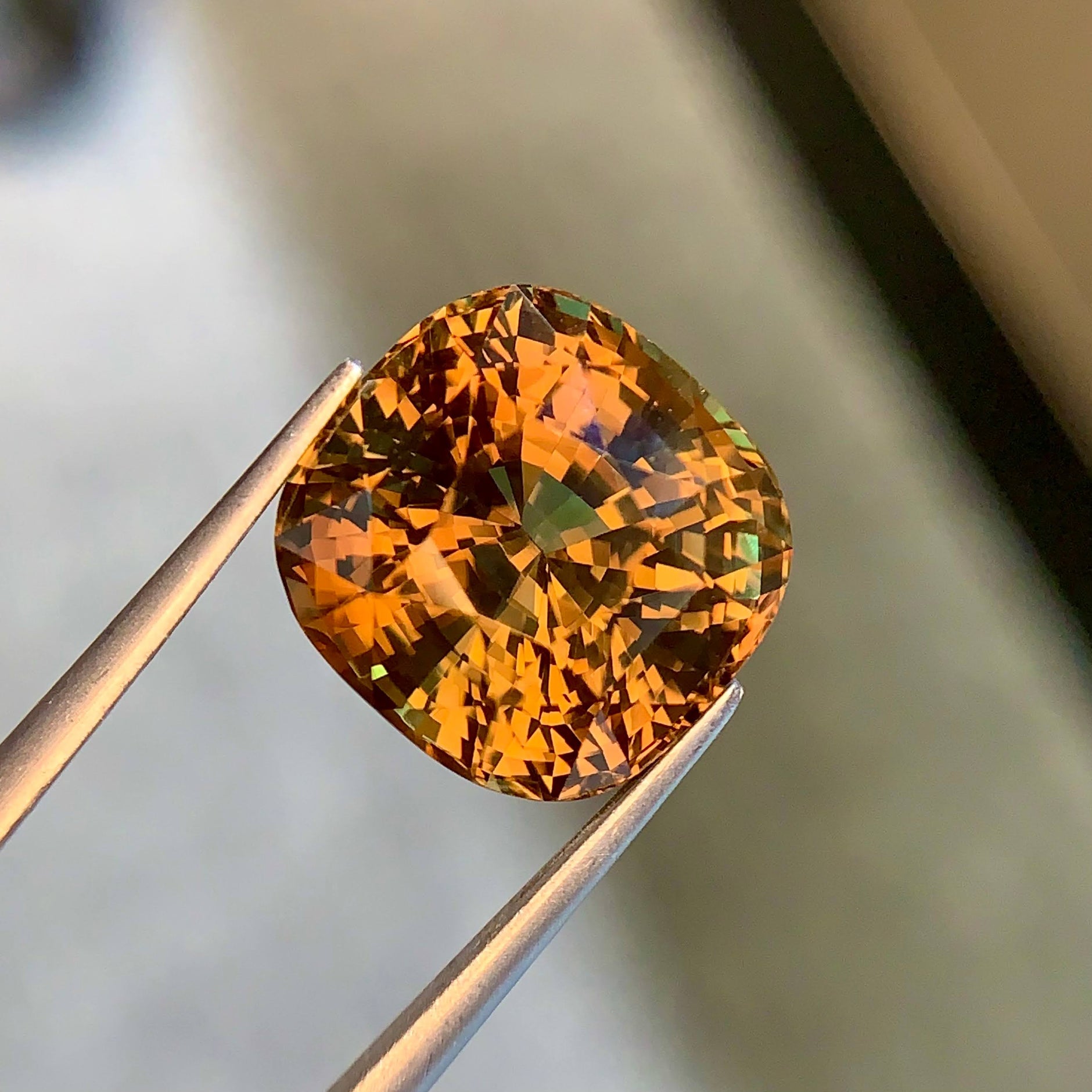


Healing Crystals for Pain
Healing crystals for pain commonly include amethyst, clear quartz, malachite, citrine, aquamarine, fluorite, and garnet. In contemporary crystal traditions, these gemstones are associated with qualities such as emotional composure, grounding, optimism, clarity, patience, and determination. People interested in their symbolic meanings may choose them as jewelry, meaningful keepsakes, or familiar objects accompanying periods of rest and reflection.
Pain can arise from many different circumstances, including temporary muscle strain, headaches, injury, illness, or long-standing health conditions. Because the underlying causes differ, there is no single treatment appropriate for every kind of pain. Crystals do not provide established analgesic or anti-inflammatory effects, but a personally meaningful gemstone can still have a place in someone's surroundings as a decorative object or reminder of valued routines.

The seven gemstones differ as much in their physical characteristics as in their symbolic associations. Amethyst offers rich purple color, aquamarine provides transparent blue tones, and garnet is known for its varied colors and attractive brilliance. Malachite and fluorite require more careful handling, while clear quartz and citrine offer versatile jewelry options. Understanding these differences makes it easier to select a genuine gemstone for beauty, personal meaning, and lasting enjoyment without mistaking crystal folklore for medical treatment.
Healing Crystals for Pain at a Glance
| Gemstone | Traditional symbolism | Identifying appearance | Jewelry consideration |
|---|---|---|---|
| Amethyst | Reflection, calmness, composure | Purple quartz | Practical for many jewelry designs |
| Clear Quartz | Clarity, intention, renewal | Transparent, colorless quartz | Attractive when cut with good symmetry |
| Malachite | Transformation and emotional release | Opaque green with natural bands | Soft, chemically sensitive stone |
| Citrine | Optimism, confidence, warmth | Yellow to orange quartz | Durable with appropriate care |
| Aquamarine | Serenity, patience, communication | Pale blue to greenish-blue beryl | Suitable for fine faceted jewelry |
| Fluorite | Focus, organization, clarity | Green, purple, blue, or multicolored | Vulnerable to scratches and cleavage |
| Garnet | Perseverance, courage, commitment | Red and numerous other colors | Durability depends on garnet species |
The meanings in this comparison come from gemstone traditions. Their hardness, appearance, and care requirements are physical characteristics that can be assessed independently.
Why People Associate Crystals With Pain and Personal Comfort
Pain is not merely a physical sensation identified by its location. It is a personal experience influenced by biological, psychological, and social factors. Duration, sleep, stress, previous experiences, and underlying health conditions may all shape how someone experiences discomfort.
This complexity helps explain the popularity of personal comfort rituals. A familiar environment, meaningful object, or predictable routine may be emotionally valuable during difficult periods, even though the object itself does not change the underlying biological process.
Gemstones are particularly appealing because their appearance gives them a distinctive physical presence. The changing reflections of a polished aquamarine, the deep purple of amethyst, or the unusual green patterns of malachite can make each object feel personal.
Different crystal traditions assign different qualities to these appearances. Darker gemstones may be interpreted as grounding, transparent stones as symbols of clarity, and brightly colored gems as representations of optimism.
These associations are not diagnostic categories. A gemstone described as suitable for headaches does not necessarily differ medically from one associated with joint discomfort.
The practical question is therefore not which crystal has the strongest healing power, but which gemstone someone appreciates enough to wear, keep, or associate with a positive personal intention.
Seven Crystals Traditionally Associated With Pain and Resilience
Amethyst: Purple Gemstone Symbolizing Reflection and Composure
Amethyst is one of the most recognizable gemstones associated with peacefulness in modern crystal traditions. Its purple coloring ranges from pale lavender to deep violet, creating different visual impressions depending on saturation, tone, and lighting.
Some spiritual practitioners associate amethyst with emotional steadiness during headaches, muscle discomfort, or stressful periods. These interpretations should be understood as personal symbolism rather than a physiological effect on pain pathways.
An amethyst pendant or ring may appeal to someone who wants a familiar object to accompany a quiet evening, a journaling practice, or another comfortable routine. Its appearance can also make it a thoughtful gift for someone who enjoys purple gemstones.
Amethyst is a variety of quartz with a Mohs hardness of 7. It is suitable for many jewelry styles when protected from significant impacts, inappropriate chemicals, and prolonged intense light.
When buying faceted amethyst, assess the depth and evenness of its purple color. Some gemstones display lighter areas, visible zoning, or excessively dark regions that diminish overall brilliance.
A well-cut amethyst should have attractive proportions and an appearance that suits the intended jewelry setting. Carat weight alone does not establish beauty or quality.
Clear Quartz: A Transparent Stone Associated With Focus and Intention
Clear quartz occupies a distinctive place in crystal traditions because it is frequently described as a symbol of clarity and intention. Some practitioners believe that it enhances the symbolic qualities of other stones, although this belief does not describe a scientifically established interaction between gemstones.
For someone managing an uncomfortable day, clear quartz may serve as a personal reminder to approach tasks deliberately or maintain a preferred routine.
Its transparent appearance also makes it versatile for understated jewelry. A colorless quartz pendant can be worn with different clothing styles without requiring a particular color scheme.
Clear quartz is crystalline silicon dioxide and measures 7 on the Mohs hardness scale. It may occur naturally with internal inclusions, fractures, or other features that influence its appearance.
Because the gemstone is colorless, poor cutting becomes especially noticeable. A shallow or overly deep stone may display areas where light escapes instead of returning through the crown.
Natural quartz should also be distinguished from glass and laboratory-grown quartz when origin matters to the buyer. A seller's identification and disclosure are more dependable than assumptions based on transparency.
Malachite: Green Banded Gemstone Linked With Transformation
Malachite is easily recognized by its green color and distinctive natural banding. Its patterns may resemble concentric circles, sweeping lines, or irregular combinations of light and dark green.
In some crystal traditions, malachite is associated with transformation and emotional release. Historical and contemporary beliefs sometimes connect it with discomfort involving joints or inflammation, but its copper-bearing composition does not make it an anti-inflammatory treatment.
The gemstone's real attraction is its decorative appearance. A polished malachite cabochon can display complex natural patterns that are difficult to reproduce convincingly in other ornamental stones.
Malachite is a copper carbonate hydroxide mineral with a Mohs hardness of approximately 3.5–4. Compared with quartz and aquamarine, it is considerably easier to scratch and requires greater care.
Well-polished stones may be used in pendants or decorative pieces, but they should be protected from abrasion, impacts, acids, and inappropriate cleaning agents.
Unfinished malachite should not be ground or crushed, and the stone is unsuitable for crystal-infused drinking water. Its copper content and sensitivity to chemical exposure make correct handling particularly important.
Buyers should look for attractive natural banding, a smooth polished surface, and a setting that protects vulnerable edges.
Citrine: Golden Quartz Associated With Optimism
Citrine is valued for its bright yellow, golden, and orange-brown coloring. Its warm visual character has encouraged symbolic associations with optimism, motivation, and a positive outlook.
In contemporary crystal practices, some people connect citrine with emotional resilience when physical discomfort interferes with daily life. The association relates to personal interpretation, not to measurable changes in inflammation, fatigue, or pain intensity.
Citrine belongs to the quartz family and has a Mohs hardness of 7. It can be fashioned into elegant oval, cushion, round, or emerald-style cuts, with suitable proportions helping the stone display attractive brilliance.
Color quality varies significantly. A pleasing citrine may have an even golden tone, while another example may appear excessively brown, pale, or unevenly colored.
A considerable proportion of commercial citrine is produced by heating suitable quartz, particularly amethyst. Such stones may be naturally formed quartz that has undergone treatment, so natural origin should not automatically be interpreted as untreated status.
A citrine pendant can make a cheerful gift for someone who prefers yellow gemstones, especially when combined with a jewelry setting that complements its warm coloring.
Aquamarine: Blue Beryl Representing Calmness and Communication
Aquamarine is admired for its transparent blue to greenish-blue appearance. Its association with seawater has contributed to longstanding ideas involving tranquility and emotional composure.
Some gemstone traditions connect aquamarine with relaxed communication and patience. Someone living with recurring discomfort may appreciate those meanings as a reminder to communicate their needs clearly and approach decisions thoughtfully.
Aquamarine is the blue to greenish-blue variety of beryl, with a Mohs hardness of approximately 7.5–8. It is relatively durable for fine jewelry when protected against hard knocks and inappropriate cleaning.
Color is a significant quality factor, although attractive aquamarine is not always intensely blue. Some buyers prefer delicate pastel shades, while others seek richer saturation.
Because aquamarine is frequently transparent, visible inclusions, uneven cutting, and windowing can influence its beauty. A balanced cut should display pleasing brilliance without sacrificing too much color.
Heat treatment is common in the aquamarine trade. Buyers considering valuable stones should request appropriate disclosure and avoid assuming that an attractive blue color demonstrates untreated origin.
A carefully selected aquamarine is suitable for someone who values elegant jewelry with a restrained, cool-colored appearance.

Fluorite: A Colorful Mineral Associated With Clarity and Organization
Fluorite is among the most colorful minerals used in decorative gemstone cutting. Purple, green, blue, yellow, and color-zoned varieties can create striking visual effects, sometimes within a single stone.
Modern crystal traditions associate fluorite with mental clarity, organization, and concentration. These symbolic interpretations may appeal to someone whose daily routine has become difficult because of persistent discomfort.
Fluorite's most important practical characteristics are its softness and pronounced cleavage. It has a Mohs hardness of 4 and perfect cleavage in four directions, making it vulnerable to scratching and breakage.
Although beautiful fluorite can be faceted, it is not generally an ideal gemstone for frequently worn rings. Protective pendants and carefully handled decorative pieces are more practical alternatives.
When choosing fluorite, assess its color distribution, visible fractures, and overall cutting quality. Transparent examples can be attractive, but natural internal features and structural weakness require careful consideration.
A large fluorite gemstone may look impressive in photographs yet prove unsuitable for a delicate setting exposed to everyday impacts.
Buyers should therefore consider durability before prioritizing size or unusual coloring.
Garnet: A Gemstone Representing Determination and Endurance
Garnet is frequently associated with determination, commitment, and personal strength. These symbolic qualities may resonate with someone navigating an extended period of uncertainty or adjusting to changing physical limitations.
Although garnet is commonly imagined as a deep red stone, the garnet group includes several mineral species and a variety of colors. Red almandine and pyrope garnets are especially familiar in jewelry, while other varieties can display green, orange, or different shades.
Some crystal traditions link garnet with improved circulation or physical endurance. Those associations are not established medical properties of garnet.
As a gemstone, garnet offers considerable variety in appearance and jewelry suitability. Hardness generally ranges from approximately 6.5 to 7.5, depending on the species.
Buyers seeking red garnet should examine color saturation and the way the stone performs under ordinary lighting. Deep-colored examples may display less visible brilliance when their tone is excessively dark.
A pleasing stone combines attractive color, suitable cutting, and an overall appearance that remains appealing when set into jewelry.
A garnet pendant or ring can also serve as a meaningful keepsake marking determination during an important personal experience.
Matching Gemstone Symbolism With Personal Preferences
A person interested in healing crystals for pain may encounter gemstone combinations associated with different types of discomfort. Amethyst and aquamarine are sometimes described in connection with relaxation, while garnet and citrine represent determination and a more energetic outlook.
Malachite and fluorite are occasionally linked with joint or muscle discomfort in crystal traditions. Their symbolic interpretations do not indicate that they interact with joints, nerves, or inflammatory pathways.
Selecting a gemstone according to the body area that hurts is therefore less useful than considering what the object means to its owner.
Someone who enjoys rich colors may prefer amethyst or garnet. A person attracted to restrained jewelry might choose transparent quartz or pale aquamarine, while a collector who appreciates unusual natural patterns may find malachite or fluorite particularly interesting.
The desired jewelry style can narrow the decision further. A comfortable pendant may suit daily wear, while a carefully set ring may become a meaningful personal accessory.
Someone who already owns several gemstones might also prefer choosing a single favorite rather than accumulating multiple crystals for different symptoms.
Using Gemstones in Everyday Reflection and Comfort Routines
A personal gemstone routine can be simple enough to maintain even on a demanding day. For example, someone may choose an amethyst pendant that reminds them to protect quiet time after work or keep a polished quartz stone nearby while writing in a journal.
The purpose of the gemstone is to provide a familiar point of attention rather than to deliver a treatment.
Some people arrange two or three complementary stones in a small decorative display. Aquamarine and clear quartz may be selected for their restrained colors, while citrine and garnet can create a warmer visual combination.
Such arrangements are aesthetic and symbolic. The position, direction, or quantity of stones does not establish an effect on nerve activity or other physiological causes of pain.
A comfortable environment may also involve appropriate lighting, supportive furniture, rest, or other practical adjustments. The gemstone can remain an enjoyable part of that setting without becoming responsible for the outcome.
People who prefer wearable jewelry should consider secure settings and smooth surfaces. A gemstone should not press against an injured area, interfere with a medical device, or be used in place of a properly designed therapeutic product.
Choosing Quality Gemstones for Lasting Jewelry
The most significant differences between these seven stones are their color, transparency, durability, cutting possibilities, and treatment histories.
Amethyst, clear quartz, citrine, aquamarine, and many garnets are suitable for traditional faceted jewelry. Malachite is generally appreciated in polished, opaque forms, while fluorite needs much greater protection because of its softness and cleavage.
Color should be assessed under lighting similar to the conditions in which the gemstone will normally be worn. A richly colored garnet may appear darker indoors, while pale aquamarine can look different under strong display lighting.
Cutting quality is equally important. Transparent gemstones should generally return light attractively rather than show large areas of excessive darkness or obvious windowing.
Carat weight describes mass, not visible face-up dimensions. Buyers considering custom jewelry should compare measurements in millimeters as well as weight, especially when a gemstone must fit an existing setting.
The range of loose gemstones suitable for jewelry includes many different shapes and proportions, so choosing the setting before evaluating dimensions can prevent costly fitting problems.
Natural Origin, Treatments, and Gemstone Identification
A natural gemstone forms through geological processes, but that description alone does not establish that it is untreated.
Some aquamarine and quartz gemstones are routinely heated to modify or improve their colors. Other gemstones may receive different enhancements, depending on their type and commercial circumstances.
Disclosure matters because treatment can influence appearance, value, durability, and suitable care methods.
Transparent glass may resemble clear quartz or certain colored gemstones, while manufactured imitations can imitate natural patterns or colors.
Reliable gemstone authenticity information helps buyers distinguish the stone's actual identity from promotional descriptions. For an expensive purchase, appropriate laboratory identification may offer additional confidence.
A beautiful gemstone can have personal significance regardless of treatment, provided the buyer understands what is being purchased.
Caring for Gemstones Chosen as Personal Keepsakes
Gemstone jewelry should be cleaned according to the properties of the particular stone rather than subjected to a universal crystal-cleansing procedure.
Amethyst, citrine, and clear quartz are comparatively practical, although strong impacts and extreme temperature changes may still damage them. Aquamarine and garnet also require appropriate care, particularly when fractures or treatments affect cleaning options.
Malachite and fluorite need significantly greater attention. Malachite is sensitive to acids, abrasion, and chemical exposure, while fluorite can chip or split because of its cleavage.
Storing gemstones separately helps prevent harder stones from scratching softer ones. Soft pouches, lined jewelry compartments, and carefully chosen settings are particularly valuable for delicate gems.
Suitable gemstone care also protects the polish and visual appearance that make a stone attractive.
Physical gemstone maintenance should not be confused with spiritual cleansing claims. The cleaning methods necessary to preserve a mineral's surface are determined by its chemistry, structure, and durability.
Understanding Pain Without Relying on Crystal Claims
Pain may be temporary, recurrent, or persistent, and its significance depends on the underlying circumstances. A headache associated with a difficult day, a new injury, and chronic joint pain are not necessarily caused by the same processes.
New, unexplained, worsening, or persistent pain deserves appropriate clinical assessment, especially when it interferes with daily activities. Sudden severe symptoms or pain accompanied by other concerning signs may require urgent attention.
A healthcare professional can help identify possible causes and recommend suitable treatment or rehabilitation.
For people living with long-term conditions, effective care may involve several approaches selected according to the diagnosis and individual circumstances.
Personal gemstones do not need a medical role to retain emotional value. Their appeal can remain connected to appearance, memories, cultural traditions, and the everyday pleasure of wearing something meaningful.
Conclusion: Selecting Gemstones for Personal Meaning and Everyday Wear
Amethyst, clear quartz, malachite, citrine, aquamarine, fluorite, and garnet represent seven distinct gemstone choices, each with its own appearance, symbolic associations, and practical limitations. The most satisfying selection is generally one that suits the person's taste and intended use rather than a stone promoted as capable of relieving a particular symptom.
For someone who appreciates durable jewelry, a richly colored garnet, carefully cut amethyst, or elegant aquamarine may make a lasting gift. Malachite and fluorite offer different attractions for those who value unusual patterns and colors but are comfortable with more delicate stones. You can buy gemstones on Gandhara Gems from the natural gemstone collection, choosing a piece for its color quality, cutting, visible inclusions, dimensions, disclosed enhancements, and suitability for the setting you intend to create.

Frequently Asked Questions
Which gemstones are most frequently associated with pain relief traditions?
Amethyst, clear quartz, malachite, citrine, aquamarine, fluorite, and garnet are among the stones frequently mentioned in contemporary crystal discussions about pain. Each carries symbolic associations such as steadiness, clarity, optimism, or resilience. These meanings do not establish medical effectiveness against pain.
Can amethyst or clear quartz reduce headaches?
Neither amethyst nor clear quartz has demonstrated an ability to treat headaches or alter neurological pain mechanisms. Both may be appreciated as jewelry or familiar objects accompanying personal relaxation routines. Frequent, severe, or changing headaches should be assessed according to their symptoms and possible causes.
Is malachite suitable for someone experiencing joint pain?
Malachite is associated with transformation and emotional release in some crystal traditions, but its composition does not make it a treatment for arthritis or inflammation. It is also a relatively soft copper-bearing mineral that requires careful handling. A polished malachite ornament may be enjoyed for its distinctive green patterns without being applied to painful joints.
Why is fluorite commonly connected with mental clarity?
Fluorite's varied colors and striking visual patterns have contributed to contemporary symbolic associations with concentration and organization. Its gemological properties, including hardness and cleavage, are measurable, but the spiritual interpretation of mental clarity is not a demonstrated therapeutic characteristic.
Are expensive healing crystals more effective than inexpensive gemstones?
Gemstone price does not establish healing power. Commercial value depends on factors such as rarity, color, clarity, size, cutting quality, treatment, and demand. Someone may find a modest quartz pendant more personally meaningful than an expensive gemstone, but neither price point indicates medical effectiveness.
Can several crystals be combined for stronger pain relief?
There is no established evidence that combining gemstones creates an additive pain-relieving effect. Some people enjoy pairing stones because their colors complement one another or their symbolic meanings feel personally significant. Such combinations are best regarded as aesthetic or spiritual choices rather than treatment formulas.
What makes a natural gemstone suitable for regular jewelry wear?
Durability, setting design, surface condition, and intended wear are important considerations. Aquamarine, amethyst, citrine, clear quartz, and many garnets are generally more practical for frequently worn jewelry than fluorite or malachite. Proper gemstone identification and treatment disclosure also help buyers understand what they are purchasing.
Can crystals replace pain medication or prescribed treatment?
Crystals are not substitutes for medications, rehabilitation, or other treatments recommended for a diagnosed health condition. Pain management should respond to the cause, severity, duration, and individual circumstances. Personal gemstones can still be enjoyed for their appearance and sentimental importance.
Disclaimer
Gemstone folklore does not establish a treatment for headaches, muscular injuries, nerve pain, arthritis, or other painful conditions. The stones discussed here are decorative and symbolic objects, not analgesics or medical devices. Decisions about persistent, worsening, or unexplained pain should follow appropriate professional evaluation and care.


