


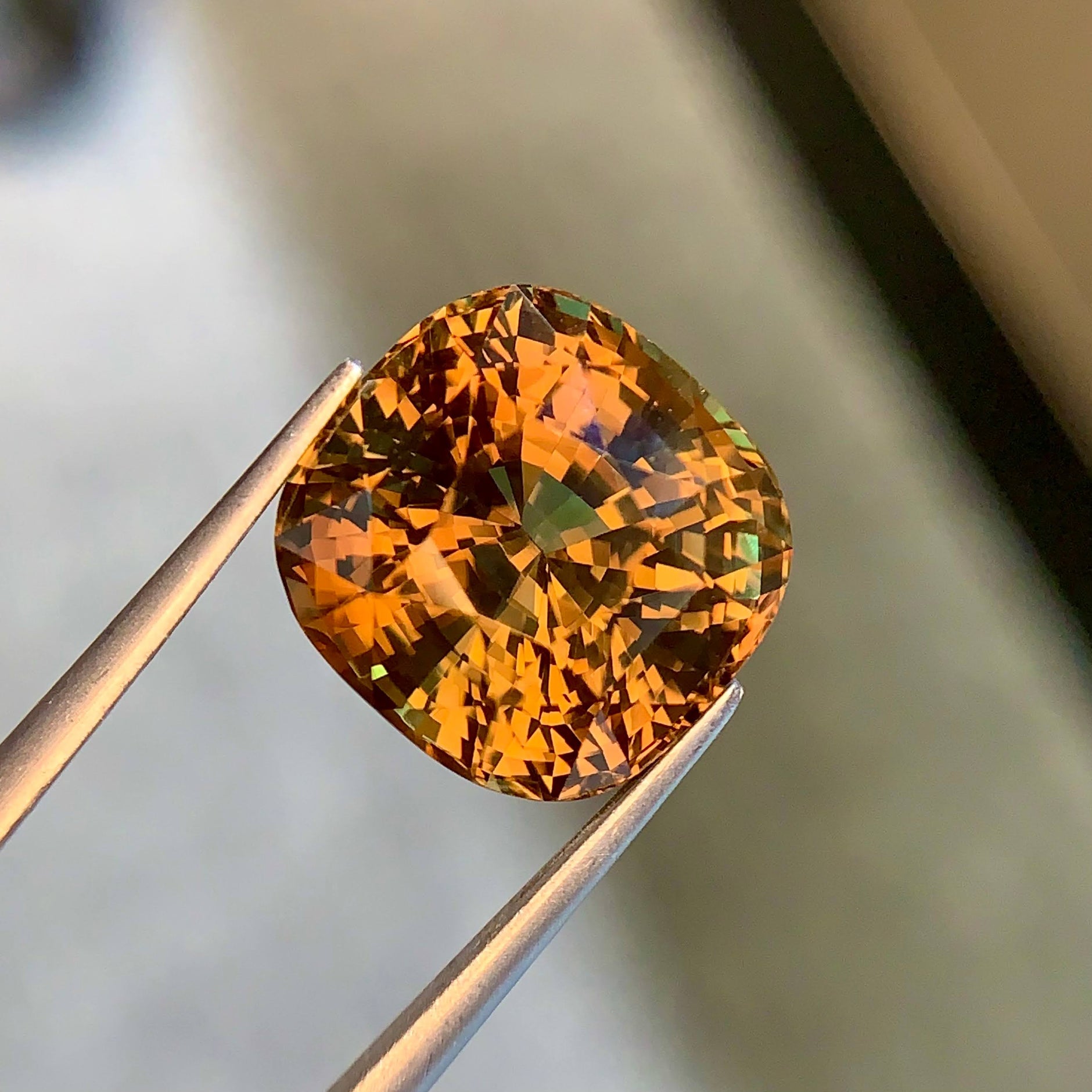


The Healing Crystals for Period Pain
The healing crystals for period pain most commonly mentioned in contemporary crystal traditions include moonstone, amethyst, rose quartz, smoky quartz, clear quartz, garnet, selenite, aquamarine, citrine, and obsidian. These stones are associated with different symbolic qualities, including emotional steadiness, self-compassion, grounding, reflection, and personal strength. People who enjoy gemstone traditions may wear them as jewelry, keep a favorite polished stone nearby, or incorporate them into quiet personal routines during menstruation.
Period pain, also called dysmenorrhea, occurs when uterine contractions contribute to cramping before or during menstruation. Symptoms may include lower-abdominal discomfort, aching in the back or thighs, and difficulties maintaining normal daily activities. Crystals do not alter the physiological causes of menstrual cramps, but someone may still appreciate a gemstone as a meaningful reminder to slow down, rest, or approach an uncomfortable day with patience.

Choosing a gemstone for this purpose should be guided by its appearance, durability, practical use, and personal significance rather than promises about menstrual health. A luminous moonstone pendant, a softly colored rose quartz keepsake, or a rich purple amethyst can become part of a familiar monthly routine. Understanding the differences between these stones also helps buyers select jewelry that remains attractive and comfortable long after the immediate occasion has passed.
Healing Crystals for Period Pain at a Glance
| Crystal | Traditional symbolic association | Appearance | Gemstone consideration |
|---|---|---|---|
| Moonstone | Cycles, change, emotional balance | Milky white with shifting sheen | Best protected from hard impacts |
| Amethyst | Peace, reflection, composure | Lavender to deep purple | Durable quartz for many jewelry styles |
| Rose Quartz | Compassion, tenderness, self-kindness | Soft translucent pink | Attractive for pendants and cabochons |
| Smoky Quartz | Grounding, patience, steadiness | Transparent brown to smoky gray | Versatile for everyday jewelry |
| Clear Quartz | Clarity, intention, renewal | Colorless and transparent | Cutting quality strongly affects appearance |
| Garnet | Courage, determination, vitality | Rich red and other colors | Durability varies by garnet species |
| Selenite | Stillness, purification symbolism | White, translucent, or fibrous | Very soft gypsum; better for protected display |
| Aquamarine | Serenity, communication, calmness | Pale blue to greenish blue | Suitable for many fine jewelry designs |
| Citrine | Optimism, warmth, positivity | Yellow to orange-brown | Treatment disclosure matters |
| Obsidian | Protection, reflection, grounding | Glossy black volcanic glass | Polished edges and impact protection matter |
The symbolic associations describe traditional or contemporary interpretations. They are distinct from the measurable mineral properties that determine a gemstone's quality and suitability for jewelry.
Understanding Menstrual Cramps and the Appeal of Comfort Rituals
Menstrual cramps are commonly associated with prostaglandins, substances involved in triggering uterine contractions. Higher prostaglandin activity can contribute to stronger contractions and discomfort, particularly around the beginning of menstruation.
For some people, cramps remain relatively mild. Others experience discomfort that interferes with concentration, sleep, work, or social plans. Painful menstruation may occur without another pelvic condition, but persistent or increasingly severe symptoms can sometimes be associated with conditions such as endometriosis, adenomyosis, or uterine fibroids.
Evidence-based approaches to menstrual discomfort can include appropriately used anti-inflammatory medication, local warmth, gentle movement, and individualized medical care. The appropriate choice depends on the person's symptoms and health circumstances.
A gemstone can occupy a different role in this experience. Someone who already enjoys collecting crystals may associate a particular stone with calm reflection or self-compassion, much as another person might value a favorite necklace, calming photograph, or familiar personal object.
The physical properties of a gemstone do not explain menstrual pain or its relief. Its personal significance develops through appearance, memory, cultural tradition, and the meaning assigned by its owner.
Ten Crystals Traditionally Associated With Menstrual Comfort
Moonstone: Menstrual Cycle Symbolism and New Beginnings
Moonstone is particularly popular in menstrual crystal traditions because of its historical and modern associations with cycles, transitions, and feminine symbolism. Its gentle appearance makes it visually suited to jewelry chosen for reflection and personal milestones.
The gemstone's characteristic optical phenomenon is known as adularescence. Light interacts with internal structures within the feldspar, producing a floating sheen that can appear white, silver, or blue. High-quality moonstones may display a particularly attractive blue glow across a relatively transparent body.
Some spiritual practitioners associate moonstone with hormonal balance. That interpretation is symbolic; the gemstone does not regulate reproductive hormones or menstrual contractions.
A moonstone pendant can be a meaningful choice for someone who appreciates the symbolism of monthly changes. Its moving sheen also gives the piece visual interest beyond the spiritual association.
Moonstone measures approximately 6–6.5 on the Mohs hardness scale and possesses cleavage, making it vulnerable to strong impacts. Buyers should examine the intensity and position of the sheen, overall transparency, visible fractures, and quality of the cut.
A well-protected pendant or pair of earrings is generally more practical than an exposed everyday ring.

Amethyst: Purple Quartz Associated With Quiet Reflection
Amethyst is traditionally connected with peacefulness, reflection, and emotional composure. Its purple coloring ranges from delicate lavender to deeply saturated violet, allowing considerable variety in gemstone jewelry.
Some people prefer amethyst during menstruation because its traditional meaning aligns with a desire for quiet surroundings and uninterrupted rest. A favorite amethyst pendant or small polished stone can accompany reading, journaling, or other comfortable activities without becoming a treatment for physical discomfort.
Amethyst is purple quartz, with a Mohs hardness of 7. It is generally suitable for pendants, earrings, and rings when protected against hard impacts and unsuitable cleaning methods.
Color quality is particularly important when selecting faceted amethyst. Some stones show attractive reddish-purple flashes, while others contain pronounced color zoning. Excessively deep stones may appear nearly black under ordinary lighting.
A gemstone with balanced color and good light return can be more appealing than a larger amethyst with poorly proportioned facets.
For buyers seeking a meaningful gift, amethyst offers an attractive combination of recognizable color, jewelry versatility, and long-standing cultural symbolism.
Rose Quartz: A Pink Gemstone Representing Self-Compassion
Rose quartz is frequently called the stone of love in modern crystal traditions, but that association extends beyond romantic affection. Its gentle pink coloring makes it a natural symbolic choice for self-kindness, acceptance, and emotional care.
Menstruation can be accompanied by changing energy levels and emotional experiences. Someone who appreciates rose quartz may use a pendant as a reminder to approach those changes patiently rather than treating every uncomfortable day as an interruption that must be overcome immediately.
Its traditional associations do not establish an effect on circulation, reproductive function, or menstrual bleeding.
Rose quartz is a variety of quartz with a Mohs hardness of 7. Many examples have a translucent or slightly cloudy appearance, although some stones are sufficiently transparent for faceting.
When choosing rose quartz jewelry, consider the intensity and evenness of its pink color. A softly polished cabochon can emphasize its gentle appearance, while a carefully cut transparent gem may offer a more brilliant result.
Rose quartz is especially suitable for a sentimental pendant or small personalized jewelry piece that the wearer can enjoy throughout the month.
Smoky Quartz: Grounding Symbolism and Everyday Practicality
Smoky quartz has a subdued appearance that contrasts with the bright coloring of many traditional gemstones. Its tones range from pale smoky gray to warm brown and nearly black.
Modern crystal enthusiasts commonly associate smoky quartz with grounding, steadiness, and the release of emotional tension. This symbolism may appeal to someone who wants a modest personal reminder to maintain a comfortable pace during menstruation.
A smoky quartz bracelet or pendant can be worn without attracting much attention, making it appropriate for people who prefer understated jewelry.
Like other quartz varieties, smoky quartz has a Mohs hardness of 7. Transparent examples can be fashioned into elegant faceted gemstones, particularly oval, cushion, pear, and emerald-style cuts.
A very dark stone may lose much of its transparency when viewed from the front. Buyers should therefore examine smoky quartz under natural lighting and look for an attractive balance between color depth and visible brilliance.
Natural smoky coloring is associated with irradiation-related processes affecting the crystal structure. Commercial enhancement can also influence the appearance of some quartz, so appropriate treatment information remains valuable.

Clear Quartz: A Transparent Gemstone for Personal Intentions
Clear quartz is one of the most versatile stones in contemporary crystal traditions. It is commonly associated with clarity, intention, and the symbolic amplification of other gemstones.
For menstrual comfort rituals, some people choose clear quartz because its transparent appearance feels neutral and uncomplicated. Rather than selecting a particular color, they may associate the stone with creating a quiet moment or maintaining a simple personal routine.
Clear quartz is crystalline silicon dioxide and has a Mohs hardness of 7. Its lack of color makes cutting quality especially noticeable because light leakage, poor symmetry, and visible inclusions are less easily concealed.
A well-proportioned faceted quartz can create attractive sparkle, while a smooth cabochon offers a softer visual character.
Clear quartz can also be confused with other transparent substances, including glass and laboratory-grown alternatives. Buyers who specifically want a natural gemstone should seek accurate identification and avoid relying on visual appearance alone.
A carefully selected transparent pendant may remain useful as everyday jewelry even when its original purchase was inspired by spiritual symbolism.
Garnet: Red Gemstone Symbolism of Courage and Perseverance
Garnet is traditionally associated with commitment, strength, and vitality. Its deep red varieties are particularly recognizable, although garnet is a group of minerals occurring in numerous colors.
Some menstrual crystal traditions connect garnet with warmth or pelvic energy. Such language reflects a spiritual interpretation and should not be confused with improved pelvic circulation or relief from uterine contractions.
The gemstone's stronger practical attraction is its rich color and suitability for meaningful jewelry. Red garnet can create an elegant appearance in a pendant, ring, or pair of earrings.
Depending on the particular garnet species, hardness generally ranges from approximately 6.5 to 7.5 on the Mohs scale. Properly fashioned garnets can provide lasting enjoyment with appropriate care.
Buyers should assess whether the red color remains attractive under different lighting conditions. Some garnets appear nearly black in subdued light, while others display livelier flashes of red.
Visible inclusions, surface condition, cutting proportions, and any disclosed treatments should also influence the selection.
Selenite: A Delicate Stone Associated With Stillness
Selenite is a transparent variety of gypsum, although the commercial name is sometimes also applied to fibrous gypsum varieties commonly sold as satin spar.
Its white or translucent appearance has encouraged symbolic associations with peacefulness, purification, and quiet reflection. Some people appreciate it as a decorative object in a personal space.
Unlike ruby, quartz, or aquamarine, selenite is exceptionally soft. Gypsum measures only 2 on the Mohs hardness scale and is easily scratched, damaged, or affected by inappropriate handling.
These characteristics make selenite a poor candidate for frequently worn jewelry. A protected ornamental piece is more practical than a ring or loosely carried stone.
Selenite should be kept dry, stored away from harder gemstones, and protected from accidental impacts. Because it can be damaged by water exposure, soaking is not an appropriate cleaning practice.
For buyers primarily interested in faceted gemstones and durable jewelry, moonstone or clear quartz may provide a more suitable pale or colorless appearance.
Aquamarine: Pale Blue Beryl With a Serene Appearance
Aquamarine derives its name from a Latin expression associated with seawater. Its pale blue to greenish-blue coloring naturally encourages comparisons with clear water and peaceful surroundings.
Modern crystal traditions sometimes associate aquamarine with serenity, emotional openness, and communication. Someone who appreciates these ideas may select it as a meaningful pendant or gift rather than expecting the gemstone to affect nausea or menstrual symptoms.
Aquamarine is the blue to greenish-blue variety of beryl and measures approximately 7.5–8 on the Mohs hardness scale.
Its transparency makes careful cutting particularly important. A poorly proportioned stone may display a noticeable window that allows light to pass through without returning attractive brilliance.
Color saturation, clarity, symmetry, and overall appearance should take priority over carat weight alone.
Heat treatment is common in aquamarine, and naturally mined stones are not necessarily untreated. Buyers should request accurate enhancement information, especially when comparing higher-value gems.
Citrine: Golden Quartz Associated With Optimism
Citrine offers a warm visual contrast to the pale colors of moonstone and rose quartz. Its shades range from light yellow through golden orange to deeper brownish-orange tones.
In contemporary crystal practices, citrine is linked symbolically with optimism, motivation, and personal confidence. During a difficult menstrual day, someone may enjoy its bright appearance as part of a comfortable personal environment.
The gemstone does not influence digestion, hormone production, or menstrual discomfort. Its yellow coloring is a mineralogical characteristic rather than an indication of medicinal warmth.
Citrine belongs to the quartz family and has a Mohs hardness of 7. It can be fashioned into a variety of faceted shapes, and attractive examples often combine relatively clean appearance with balanced cutting proportions.
Much of the citrine sold commercially is produced by heating suitable amethyst or other quartz. Heat-treated citrine can still be quartz of natural origin, but accurate disclosure matters when comparing gemstones.
Buyers should also consider whether the stone appears too pale, excessively dark, or unevenly colored for the intended jewelry design.
Obsidian: Black Volcanic Glass Symbolizing Protection
Obsidian is not a crystalline mineral. It is natural volcanic glass formed when silica-rich molten rock cools rapidly enough to prevent substantial crystal growth.
Its smooth, glossy black appearance has made it popular for polished ornaments and jewelry. In contemporary spiritual practices, obsidian is often associated with grounding, protection, and personal boundaries.
Someone who prefers a dark, minimalist aesthetic may appreciate an obsidian pendant as a reminder to preserve time for rest and personal comfort.
Because obsidian is glass, it can break with sharp, curved fracture surfaces. Finished jewelry should have smoothly polished edges, and damaged stones should not be handled casually.
Obsidian also differs visually from transparent faceted gemstones. Its beauty usually depends on surface polish, shape, and any distinctive optical appearance rather than internal brilliance.
It can make an appealing decorative keepsake, especially for buyers who prefer dark accessories over brightly colored crystals.

Creating a Comfortable Menstrual Self-Care Routine With Gemstones
The most meaningful gemstone routine is one that requires little effort and fits naturally into everyday life. A person might choose a moonstone pendant to wear during the first days of menstruation or keep an amethyst ring nearby while reading before bed.
A gemstone can also become part of a journaling habit. Someone who appreciates smoky quartz might associate it with writing down priorities for the day, while rose quartz may symbolize giving themselves permission to adjust plans when discomfort interferes with normal activities.
These practices do not need strict timing, elaborate crystal arrangements, or a particular number of stones. There is no established physical advantage to wearing ten gemstones instead of one.
Comfort measures with a physiological basis, such as a suitably protected heating pad, can be used independently of the crystal ritual. Gemstones should not be heated for application to the abdomen or incorporated into hot compresses.
Buying Gemstones for Menstrual Comfort Jewelry
Personal taste should guide the initial choice, but gemstone quality determines how well the finished jewelry performs over time.
Moonstone buyers should examine adularescence and visible fractures. Amethyst and smoky quartz buyers should compare color depth, transparency, and brilliance. Rose quartz is often selected for its pleasing pink tone, while garnet and aquamarine offer transparent colored alternatives suitable for more traditional fine jewelry.
The distinction between carat weight and physical dimensions is particularly important. Two gemstones weighing the same number of carats may have different measurements because of differences in density, shape, and cutting depth.
When evaluating loose gemstones, consider the intended setting before selecting size and shape. A pendant intended for regular wear may accommodate a larger gemstone than a delicate ring or pair of earrings.
Natural origin, treatment status, and commercial descriptions should also be considered separately. A gemstone described as natural may have undergone heating or another enhancement, and a visually convincing imitation does not necessarily share the identity of the stone it resembles.
Reliable gemstone authenticity information is relevant when purchasing a higher-value gem or selecting a stone for a custom jewelry project.
Keeping Menstrual Keepsake Gemstones in Good Condition
Gemstones differ substantially in durability, so care should reflect the actual stone rather than a universal crystal-cleaning routine.
Quartz varieties such as amethyst, citrine, rose quartz, and smoky quartz are generally practical for jewelry, but prolonged intense sunlight, abrupt temperature changes, and hard impacts may still cause problems.
Moonstone needs additional protection because its cleavage makes it susceptible to breakage. Selenite is much softer and should be kept dry, while obsidian should be protected from impacts that could create sharp fractured edges.
Appropriate gemstone care practices preserve appearance and reduce avoidable damage. Separating harder and softer stones during storage is particularly useful when keeping several pieces together.
When Menstrual Pain Needs Further Assessment
Mild menstrual discomfort is common, but pain that becomes progressively worse, interferes with usual activities, or occurs alongside unusually heavy or irregular bleeding deserves medical evaluation.
Symptoms such as pain during urination, bowel movements, or sexual activity can also provide important clues about an underlying pelvic condition.
A clinician can assess whether the symptoms are consistent with primary dysmenorrhea or whether further investigation is appropriate. Treatment may include suitable pain relief, hormonal options, or care directed at a diagnosed condition.
These clinical decisions are separate from the personal enjoyment of gemstone jewelry.
Conclusion: Choosing a Meaningful Gemstone for Menstrual Self-Care
Moonstone, amethyst, rose quartz, smoky quartz, clear quartz, garnet, selenite, aquamarine, citrine, and obsidian offer different interpretations of calmness, resilience, compassion, and personal reflection. Their varied appearances also allow someone to choose a crystal that suits their jewelry preferences rather than following a fixed spiritual formula.
For a keepsake worn through many monthly cycles, a luminous moonstone pendant, richly colored amethyst, or understated smoky quartz may be particularly appealing. You can buy natural gemstones on Gandhara Gems by selecting from the available gemstone collection, comparing the individual stone's color, cut, dimensions, durability, treatment disclosure, and price before choosing a design that feels comfortable and personally meaningful.
Frequently Asked Questions About Healing Crystals for Period Pain
Which crystals are most commonly associated with menstrual comfort?
Moonstone, amethyst, and rose quartz are particularly common in modern menstrual crystal traditions because they symbolize cycles, reflection, and compassion. Smoky quartz, clear quartz, garnet, selenite, aquamarine, citrine, and obsidian are also mentioned. Their meanings are cultural or personal interpretations, not established effects on menstrual cramps.
Can moonstone balance menstrual hormones?
Moonstone does not have a demonstrated ability to regulate estrogen, progesterone, or other reproductive hormones. Its connection with cycles arises from traditional symbolism and the gemstone's distinctive changing sheen. Moonstone may still be attractive as jewelry marking personal milestones or monthly routines.
Is amethyst or rose quartz better for a menstrual keepsake?
Both are varieties of quartz and have similar hardness, but their appearances differ substantially. Amethyst offers purple coloring and often strong faceted brilliance, while rose quartz is appreciated for its delicate pink tone and frequently translucent appearance. The better choice depends on preferred color, jewelry design, and personal meaning.
Can heating crystals help relieve menstrual cramps?
Gemstones should not be heated for direct application to the body. Heating may damage some stones and create a burn risk. A purpose-designed heating pad or properly wrapped hot-water bottle is a more suitable way to apply warmth when appropriate.
Are crystal-infused drinks useful for menstrual discomfort?
There is no established menstrual-health benefit from placing gemstones in drinking water. Some minerals can deteriorate in water or introduce unwanted substances, and commercial stones may contain treatments or residues. A gemstone's symbolic significance does not require ingestion or contact with beverages.
How should someone choose a crystal gift for a person who experiences period pain?
A thoughtful choice considers the recipient's preferred colors, jewelry habits, and comfort. A small pendant or pair of earrings may be more convenient than a bulky bracelet, while a durable gemstone can provide longer-term wearability. Accurate identification, appropriate treatment disclosure, and secure settings matter more than claims about a crystal's healing strength.
When should menstrual cramps be discussed with a healthcare professional?
Pain deserves assessment when it is severe, worsening, preventing normal activities, or accompanied by concerning changes in bleeding or pelvic symptoms. Conditions such as endometriosis and fibroids may produce significant menstrual discomfort. Effective management depends on understanding the cause rather than relying on a particular gemstone.
Disclaimer
The crystal associations described here belong to personal and spiritual traditions, not proven menstrual treatments. Gemstones cannot correct hormonal disorders or treat conditions responsible for painful periods. Persistent, unusually severe, or changing menstrual symptoms should be evaluated by a qualified healthcare professional.


