


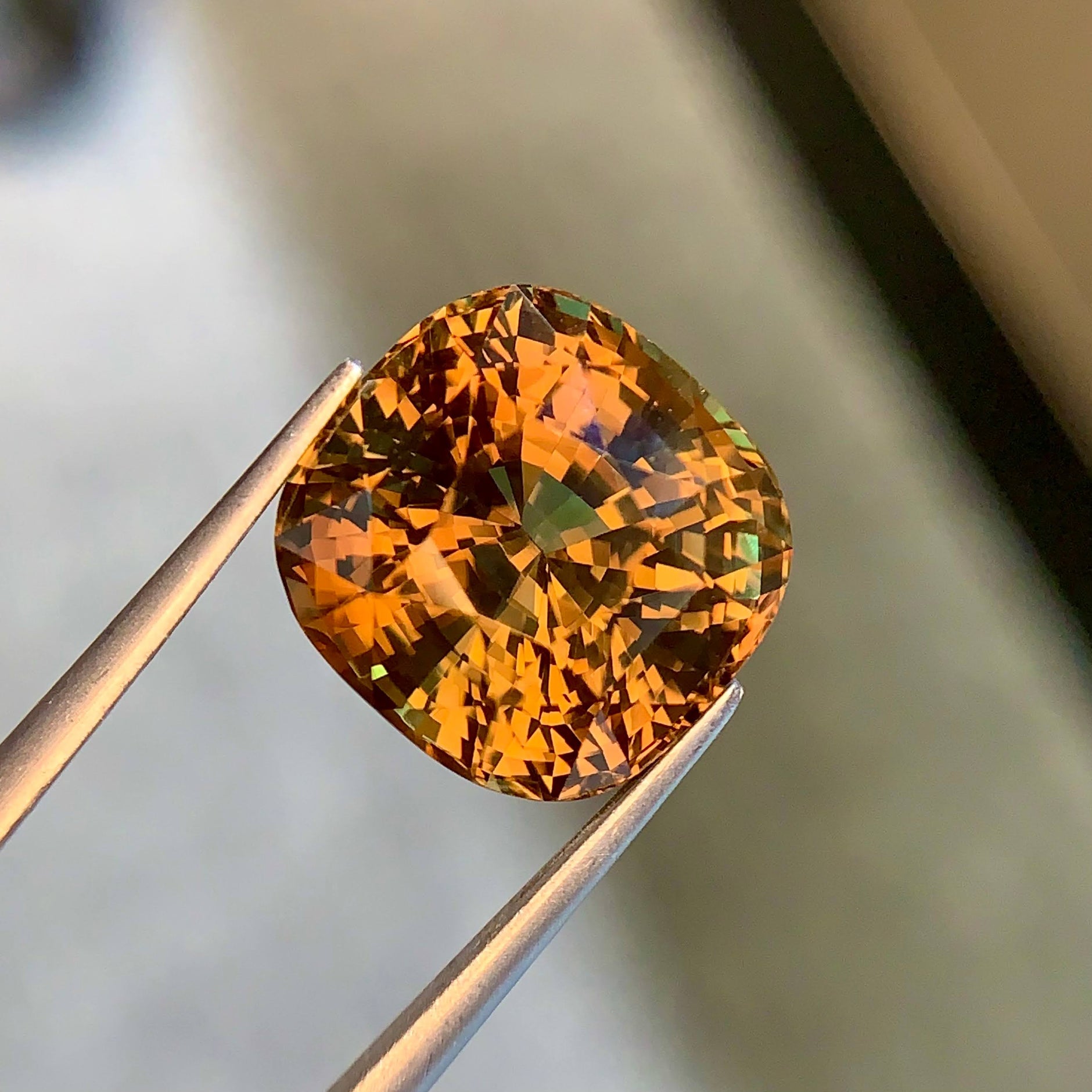


The Healing Crystals for Flu
The healing crystals for flu most commonly discussed in contemporary gemstone traditions include amethyst, citrine, aquamarine, peridot, and garnet. These five stones have accumulated symbolic associations with rest, optimism, communication, renewal, and perseverance. Amethyst is traditionally linked with composure, citrine with positive intention, aquamarine with tranquility, peridot with new beginnings, and garnet with endurance.
Influenza is a contagious respiratory infection caused by influenza viruses. It often begins suddenly, producing symptoms such as fever or chills, cough, sore throat, headache, muscle aches, and marked tiredness. Some people also develop a runny nose, while vomiting or diarrhea can occur, particularly among children. The illness varies in severity, and people with certain health conditions, older adults, pregnant women, and young children face an increased risk of complications. Most people recover with time and appropriate supportive care, but antiviral treatment and medical assessment are important in particular circumstances.

Gemstones can still provide personal meaning during a difficult period without being represented as remedies. Someone might keep an amethyst pendant received from a family member close at hand, or choose a vivid green peridot after recovery to commemorate a return to ordinary activities. Those choices concern sentiment, appearance, and craftsmanship rather than the course of a viral infection. A natural gemstone should be selected according to its mineral identity, color, transparency, cutting quality, durability, treatments, and intended jewelry use. Appreciating these qualities provides a more useful reason to own a stone than expecting it to influence an illness.
Healing Crystals for Flu at a Glance
| Gemstone | Traditional Symbolic Association | Natural Appearance | Mohs Hardness | Evidence for Treating Influenza |
|---|---|---|---|---|
| Amethyst | Rest, reflection, calmness | Lavender to richly saturated purple | 7 | No established clinical benefit |
| Citrine | Optimism, motivation, personal renewal | Yellow to golden orange | 7 | No established clinical benefit |
| Aquamarine | Tranquility, friendship, thoughtful communication | Transparent blue to greenish blue | 7.5–8 | No established clinical benefit |
| Peridot | Renewal, hope, positive change | Yellowish green to vivid green | 6.5–7 | No established clinical benefit |
| Garnet | Perseverance, affection, commitment | Red, purple, orange, green, and other colors | Approximately 6.5–7.5 | No established clinical benefit |
These five gemstones provide varied colors and jewelry possibilities, but none has an established antiviral action when worn, held, or placed nearby. Their traditional meanings may make them appropriate for commemorative gifts or personal collections, while appropriate flu care depends on symptoms, risk factors, and medical circumstances.
What Happens When Someone Develops Influenza?
Influenza viruses infect the respiratory tract and trigger an immune response that contributes to many familiar flu symptoms. Fever, chills, muscle aches, and exhaustion can begin abruptly, sometimes within the same day that a person first notices feeling unwell. Cough and sore throat may also be present, although not every person with influenza develops a fever.
The illness can be confused with other respiratory infections because symptoms overlap with the common cold and COVID-19. Influenza often produces more sudden or pronounced systemic symptoms than an ordinary cold, but the pattern alone cannot reliably establish the cause in every case. Testing may be useful when it would change treatment decisions or when a healthcare professional needs to clarify the diagnosis.
Most people recover from uncomplicated influenza without hospitalization, although fatigue and cough may persist after the initial symptoms improve. Certain complications, including pneumonia or worsening of an existing heart or lung condition, can be serious. The possibility of complications is why medical attention should not be delayed for someone who is becoming severely ill or belongs to a group at increased risk.
Why Flu Symptoms Are Not Caused by Blocked Energy
Some crystal traditions describe influenza symptoms as evidence that a person's energy is depleted or that their body needs spiritual cleansing. Such explanations do not describe the established cause of influenza, which is infection by an influenza virus.
The body's immune response and the effects of infection help explain fever, aches, and fatigue. A gemstone does not remove viruses from respiratory tissues or control the biological mechanisms responsible for these symptoms.
A person may find a familiar object reassuring while unwell, particularly when the object has sentimental value. That experience is different from demonstrating that a mineral changes the infection or speeds recovery.
A useful understanding of flu begins with the illness itself. The role of rest, hydration, infection prevention, and timely medical treatment should remain separate from the symbolic significance someone attaches to a favorite gemstone.
Amethyst: The Purple Gemstone Associated With Rest and Reflection
Amethyst is the purple variety of quartz, composed of silicon dioxide with the formula SiO₂. Its colors range from pale lavender to rich violet and reddish purple, making it one of the most familiar transparent gemstones used in jewelry.
Historical traditions associate amethyst with restraint, clear thinking, reflection, and calmness. These meanings explain why it often appears in contemporary crystal discussions about rest during an uncomfortable illness. A person may enjoy looking at a richly colored amethyst or remember the occasion on which the stone was received.
However, the gemstone does not have a clinically demonstrated ability to induce restorative sleep, reduce fever, treat headache, or increase immune-cell activity. A familiar gemstone can be meaningful during rest without being a treatment for the infection.
Can Amethyst Help With Fever, Headache, or Flu-Related Fatigue?
Amethyst cannot control body temperature or relieve influenza symptoms through an established mineral-specific medical effect. Its purple coloration results from features within quartz and the interaction of light with the material, not from a biological action on inflammation or the nervous system.
Someone who feels exhausted during influenza may need time to recover, adequate fluids, and appropriate symptom management. Persistent or severe symptoms require assessment according to their actual cause, especially when the person is at greater risk of complications.
Placing amethyst on the chest or forehead should not be treated as a substitute for fever management or medical advice. The stone's temperature at the time of contact may create an ordinary cooling sensation, but that does not establish a therapeutic action of amethyst itself.
The most appropriate role for the gemstone is as an ordinary ornament or personally meaningful possession. Its traditional association with composure can remain culturally interesting without being used to explain recovery.
How to Evaluate a Natural Amethyst for Jewelry
Fine amethyst is often valued for strong, attractive purple saturation, transparency, cutting proportions, and polish. Some stones show a reddish-purple component that many buyers appreciate, while others have a softer violet or lavender appearance suited to delicate jewelry.
Color zoning is a natural feature of some amethyst crystals. A skilled cutter may orient the material to distribute the strongest color attractively across the finished stone, although noticeable zoning can remain in certain specimens.
Amethyst has a Mohs hardness of 7 and generally good toughness, making it suitable for pendants, earrings, and carefully worn rings. A well-proportioned oval or cushion can provide appealing brilliance, while poor cutting may produce conspicuous windowing or dark areas.
For an amethyst gift, the stone's color and craftsmanship should be the reasons for selecting it. A higher carat weight does not give the gemstone greater healing ability, and an expensive specimen is not inherently more meaningful than an attractive stone chosen with care.
Citrine: Golden Quartz Traditionally Connected With Optimism
Citrine is the yellow-to-orange variety of quartz, sharing the chemical formula SiO₂ with amethyst. Its colors range from pale lemon yellow through warm gold to more saturated orange and brownish-orange shades.
The gemstone is recognized for its attractive transparency and availability in several faceted cuts. Oval, cushion, round, and pear-shaped citrines can make appealing jewelry, particularly for someone who favors warm colors.
Contemporary crystal traditions frequently associate citrine with optimism, enthusiasm, personal confidence, and abundance. These symbolic ideas help explain why the stone appears in discussions about rebuilding motivation after illness.
However, citrine does not restore physical energy, treat viral infection, or strengthen immune defenses through any demonstrated clinical mechanism. Feeling motivated by the color or personal history of a gemstone is not the same as receiving a medical treatment.
Citrine and the Difference Between Optimism and Physical Recovery
The experience of influenza may disrupt work, family responsibilities, and ordinary routines. Someone who has been unwell may appreciate a small reminder of a pleasant future event or personal goal.
A golden citrine can serve that symbolic purpose when the wearer associates it with optimism or a meaningful achievement. The stone itself, however, does not determine how quickly respiratory symptoms resolve or whether complications occur.
Claims that citrine stimulates digestion, increases circulation, or accelerates immune recovery are not supported by reliable clinical evidence. These statements should not influence decisions about medication, medical appointments, or returning to normal activity.
The gemstone's beauty and personal meaning are sufficient reasons to appreciate it without attributing physiological effects to its mineral composition.
Natural Citrine, Heat Treatment, and Buying Quality
Naturally yellow citrine occurs in quartz deposits, but much commercially available citrine is produced by heating suitable amethyst or other quartz. The resulting material remains quartz, although its color has been modified.
Treatment disclosure is relevant when a gemstone is specifically described as untreated or naturally colored. A stone's golden appearance alone cannot establish its treatment history.
Fine citrine is generally assessed for pleasing hue, saturation, transparency, cutting quality, and size. A poorly proportioned gemstone may display windowing that reduces visible color, while excessively deep cutting can retain additional weight without improving its face-up appearance.
A carefully selected citrine pendant can be a cheerful commemorative gift after an illness. Its commercial value should reflect the actual gemstone's quality, not a promise that it prevents future infections.
Aquamarine: A Blue Gemstone Associated With Tranquility
Aquamarine is the blue-to-greenish-blue variety of beryl, with the chemical formula Be₃Al₂Si₆O₁₈. Its characteristic blue coloration is associated principally with iron within the crystal structure, and its name reflects the gemstone's resemblance to seawater.
Fine aquamarine can display attractive transparency and a delicate blue color that differs from the deeper saturation often associated with sapphire. Its appearance is suitable for understated jewelry, particularly when carefully cut into an oval, cushion, pear, or emerald-style shape.
Historically, aquamarine has been associated with friendship, travel, protection, and tranquil communication. Contemporary crystal traditions sometimes connect its blue color with the throat chakra and claims about relieving cough or sore throat.
These interpretations should not be confused with medical evidence. Aquamarine has not been shown to reduce inflammation in the respiratory tract, suppress cough, eliminate influenza viruses, or improve breathing through a gemstone-specific effect.

Why Aquamarine Does Not Treat Coughs or Sore Throats
Influenza-related cough and throat irritation are associated with infection and the body's response to it. Wearing a blue gemstone does not alter that process, even when a symbolic tradition connects the stone's color with the throat.
Placing aquamarine directly against the neck does not provide a controlled treatment for inflammation. Using it while inhaling steam also does not make the steam safer or more effective, and exposure to very hot water or steam may cause burns.
A person with a persistent or worsening cough, significant breathlessness, or other concerning respiratory symptoms should seek appropriate medical assessment. These symptoms should not be interpreted as evidence that a particular gemstone has failed to balance the person's energy.
An aquamarine pendant can remain a meaningful gift, but its appropriate function is decorative and sentimental rather than therapeutic.
Aquamarine Color, Transparency, and Jewelry Durability
Fine aquamarine generally displays a pleasing blue or slightly greenish-blue hue with good transparency. Very pale stones may appear almost colorless under intense lighting, while more saturated examples can retain a distinctive blue appearance across a wider range of conditions.
Cutting quality influences brilliance and the distribution of color across the gemstone. A carefully proportioned stone can provide an attractive face-up appearance without excessive windowing or unnecessary depth.
Aquamarine has a Mohs hardness of approximately 7.5 to 8 and generally good toughness, making it appropriate for many jewelry designs when securely mounted. It may undergo conventional heating to reduce greenish color components, and this enhancement should be distinguished from untreated natural color when relevant to the purchase.
A buyer should compare the appearance of individual stones under realistic lighting rather than selecting aquamarine because of unsupported health claims.
Peridot: A Green Gemstone Symbolizing Renewal
Peridot is the transparent green gemstone variety of olivine, a magnesium-iron silicate mineral commonly represented by the formula (Mg,Fe)₂SiO₄. Its colors range from light yellowish green to vivid grass green and deeper olive tones.
Historical traditions have connected peridot with protection, renewal, prosperity, and positive change. Modern crystal descriptions sometimes extend this symbolism into claims about detoxification or supporting the body after infection.
However, peridot does not remove influenza viruses, accelerate biological detoxification, or restore tissue function through an established medical mechanism. Its green appearance and mineral composition provide no reliable basis for claiming that it shortens recovery.
A person who loves green gemstones may still appreciate peridot as a meaningful reminder of an important new chapter. That sentiment can be genuine without suggesting that the stone plays a medical role.
Is Peridot Suitable for Everyday Jewelry?
Peridot has a Mohs hardness of approximately 6.5 to 7 and requires greater protection against scratching than sapphire or spinel. It can also be sensitive to sudden temperature changes and should be cleaned cautiously.
Fine specimens usually display attractive green saturation with good transparency. Some natural material contains distinctive internal features, and a stone's clarity should be evaluated according to how those inclusions affect appearance or structural condition.
A well-cut peridot can produce lively reflections and a recognizable green hue. However, excessive windowing or dark regions may diminish its appeal, particularly when the original material contains weaker color.
Pendants and earrings are often practical because they expose the gemstone to less direct contact than a frequently worn ring. The choice should reflect intended wear and the individual stone's appearance rather than an expectation that wearing green material improves recovery.
Garnet: A Gemstone Traditionally Associated With Strength and Perseverance
Garnet is a group of related silicate minerals available in a wide range of natural colors. Although deep-red garnet is widely recognized, the group includes raspberry-colored rhodolite, orange spessartine, green tsavorite, and other attractive varieties.
Its historical symbolism includes friendship, loyalty, affection, courage, and perseverance. These interpretations make garnet a familiar choice for personal gifts marking an achievement or a difficult period.
Contemporary gemstone traditions sometimes connect garnet with physical vitality, blood circulation, or restoring strength after illness. Such claims are not supported by reliable clinical evidence. A garnet does not improve oxygen transport, correct post-viral exhaustion, or prevent complications of influenza.
Red Garnet Versus Rhodolite and Other Colors
The garnet group contains different mineral species, so its colors and quality characteristics vary considerably. Certain dark-red stones display rich saturation but may appear nearly black indoors, while rhodolite can provide a more vivid raspberry or purplish-red appearance.
Green garnet varieties offer an entirely different visual character and may appeal to buyers seeking an unusual alternative to familiar red stones.
Hardness varies approximately from 6.5 to 7.5, depending on the species. Many garnets are suitable for earrings, pendants, and carefully worn rings, but structural condition and setting security remain important.
A faceted garnet selected for a meaningful gift should be evaluated for attractive color, clarity, cutting proportions, and actual dimensions. Its symbolic association with endurance can enrich the occasion without turning the gemstone into a medical remedy.
Can Healing Crystals Improve the Immune System During Flu?
There is no reliable clinical evidence that placing gemstones near the body improves influenza-specific immunity, reduces viral replication, or prevents flu complications. The immune system relies on complex cellular and molecular processes that cannot be meaningfully assessed through a stone's color or traditional symbolism.
Descriptions claiming that amethyst boosts immunity, peridot removes toxins, or garnet increases blood circulation do not establish medical effectiveness. Similarly, placing a crystal beside drinking water does not give that water antiviral properties.
Some people enjoy reflective practices involving gemstones. A familiar object may have sentimental significance or serve as a reminder to follow an ordinary routine, but the mineral itself has not been demonstrated to alter the course of influenza.
Vaccination remains an important preventive measure, while appropriate medical care and timely antiviral treatment are relevant when someone develops influenza. Crystal-based practices should not be treated as alternatives to these established approaches.
What Actually Helps Someone Recover From Flu?
Most people with uncomplicated flu can recover with appropriate rest, fluids, and symptom management. Staying home when ill also helps reduce transmission to others, particularly when cough, fever, or other respiratory symptoms are present.
Suitable over-the-counter medicines may relieve fever or discomfort for some people, but the choice depends on age, other medical conditions, medications, and individual circumstances. Aspirin should not be given to children or teenagers with suspected influenza because of the risk of Reye's syndrome.
A person who is pregnant, older, very young, or affected by certain chronic medical conditions may need additional attention because their risk of serious complications is higher.
Antiviral Treatment and Why Timing Matters
Prescription influenza antiviral medicines can shorten illness and reduce certain complications, particularly when started promptly. Treatment generally works best when begun within the first one or two days after symptoms appear.
However, treatment may still be beneficial when started later in people with severe illness, those requiring hospitalization, or those at increased risk of complications. Someone in one of these groups should contact a healthcare professional promptly rather than waiting for symptoms to become prolonged.
Antiviral medicines are different from antibiotics. Influenza is caused by a virus, so antibiotics do not treat the flu itself, although they may sometimes be needed for a separate bacterial complication.
Decisions about prescribing treatment should be based on medical circumstances, not on whether someone is using a gemstone as a personal object during recovery.
Hydration, Rest, and Returning to Ordinary Activities
Flu commonly causes tiredness and body aches, making rest an important part of managing an uncomplicated illness. Adequate fluids are also useful, particularly when fever and reduced appetite make dehydration more likely.
Recovery times vary, and a cough or residual tiredness may continue after the most acute symptoms have improved. The return to work, exercise, and ordinary responsibilities should take account of symptoms, functional ability, and relevant public-health advice.
A person should not treat a gemstone as a reason to push through severe exhaustion or ignore worsening symptoms. A meaningful ornament can accompany recovery, but it does not determine when strenuous activity is appropriate.
When Flu Symptoms Need Urgent Medical Attention
Difficulty breathing, persistent chest or abdominal pain, confusion, seizures, severe weakness, dehydration, or symptoms that improve and then return with worsening fever or cough can indicate serious complications.
These warning signs require prompt medical attention, and severe breathing difficulty or other emergency symptoms call for immediate emergency assistance.
Young children may show additional warning signs, including fast breathing, poor responsiveness, or evidence of significant dehydration. People at higher risk of complications should seek medical guidance early in the illness, even before emergency signs develop.
Crystals cannot identify pneumonia, dehydration, or other complications. Waiting for a gemstone to restore energy can delay necessary treatment, making it especially important to recognize changes in the person's medical condition.
Choosing a Natural Gemstone for a Thoughtful Gift After Flu
A gemstone given after someone recovers from an illness can express appreciation, affection, or recognition of a personally difficult experience. The choice should reflect the person's preferences rather than imply that the gift contributed to medical recovery.
Amethyst offers lavender-to-purple colors, while citrine provides yellow and golden-orange transparency. Aquamarine suits someone who enjoys delicate blue jewelry, peridot offers vivid green, and garnet provides several red, purple, and green alternatives.
For transparent faceted gemstones, buyers should consider color, clarity, cutting quality, and structural condition. A carefully proportioned stone may be more attractive than a heavier gemstone that displays excessive windowing or poor symmetry.
You can buy loose faceted gemstones on Gandhara Gems and consider individual stones according to the recipient's preferred color and the dimensions required for a custom pendant, ring, or pair of earrings. A meaningful gift should be based on the gemstone's appearance and the occasion rather than claims that it boosts immunity.
Natural Gemstones, Treatments, and Authenticity
Natural formation does not necessarily mean that a gemstone is untreated. Citrine may be produced through heating suitable quartz, aquamarine is sometimes heated to alter its blue appearance, and certain garnets or other materials may require careful identification.
Photographs alone cannot conclusively establish natural origin or treatment history. Accurate descriptions and suitable gemological documentation may therefore be important when such claims influence the purchase price.
Information associated with gemstone authenticity assurances can help buyers assess the material being offered when considered alongside individual product details and relevant reports.
A certificate confirming mineral identity does not establish medical effectiveness. Authenticity, beauty, and therapeutic claims require entirely different forms of evidence.
Gemstone Value and Practical Buying Decisions
These five gemstones occupy different commercial categories. Amethyst and citrine are generally available in varied sizes and colors, while certain richly saturated aquamarines and fine garnet varieties may command substantially different prices depending on quality.
Peridot value is influenced by green saturation, transparency, cutting precision, size, and condition. Garnet pricing depends strongly on the particular variety, especially because some colors are rarer than others.
A gemstone's price should reflect its actual appearance, identity, and commercial characteristics rather than purported antiviral abilities. Terms such as premium quality or exceptional energy should not replace information about color, clarity, measurements, or treatments.
The most satisfying purchase is one that suits the buyer's budget and intended jewelry without requiring unrealistic expectations. A beautiful small gemstone can be as meaningful a gift as a more expensive example when selected with attention to the recipient.
Caring for Jewelry During and After an Illness
Gemstone jewelry can become dirty through ordinary handling, and cleaning methods should reflect the particular mineral and any treatments it has received. Amethyst, citrine, aquamarine, and many garnets can generally be cleaned gently with mild soap and water when their structural condition permits.
Peridot requires greater caution because of its sensitivity to abrupt temperature changes. Steam and ultrasonic cleaning should not automatically be used on gemstones with fractures, certain inclusions, or treatment-related vulnerabilities.
A gemstone should not be placed in the mouth, immersed in drinking water to produce an alleged healing preparation, or pressed against sensitive areas of the body in the expectation of an antiviral effect.
Appropriate gemstone care and cleaning preserves the appearance of jewelry, while ordinary infection-control practices and proper medical care address the concerns associated with influenza.

Conclusion
Amethyst, citrine, aquamarine, peridot, and garnet have long-established or contemporary symbolic associations with composure, optimism, renewal, and perseverance. Their natural colors and jewelry qualities can make them meaningful personal objects, but none has been demonstrated to prevent influenza or accelerate recovery. Flu care should instead be guided by symptoms, individual risk, appropriate supportive measures, and timely medical assessment when needed.
A gemstone chosen after someone feels well again can commemorate the return to an ordinary routine without suggesting that the stone caused the recovery. An amethyst might appeal to someone who loves rich purple jewelry, whereas a bright green peridot or delicate blue aquamarine may better suit another person's style. For that kind of keepsake, Gandhara Gems offers natural gemstones that you can buy for a custom design. Choose the individual gem for its face-up color, sound condition, attractive faceting, and fit within the planned setting, allowing the personal significance of the gift to speak for itself.
Frequently Asked Questions About Healing Crystals for Flu
Which crystals are traditionally associated with flu recovery?
Amethyst, citrine, aquamarine, peridot, and garnet are among the gemstones mentioned in contemporary crystal traditions involving influenza or recovery. Amethyst is associated with rest and reflection, citrine with optimism, aquamarine with tranquility, peridot with renewal, and garnet with perseverance. These meanings belong to cultural interpretation rather than clinical evidence. None of the five gemstones has been shown to eliminate influenza viruses, improve influenza-specific immunity, or reduce complications. They may be appreciated as jewelry or personal keepsakes without being considered treatments.
Can amethyst help reduce flu fever or improve sleep?
Amethyst does not have a demonstrated ability to reduce fever or medically improve sleep during influenza. The gemstone is purple quartz, with a Mohs hardness of 7 and a range of attractive violet colors. Its association with calmness is traditional symbolism rather than evidence of a physiological treatment effect. A person with influenza may need suitable rest, fluids, and symptom management, while severe or persistent symptoms can require medical assessment. Amethyst can remain a meaningful decorative possession without being expected to control temperature or shorten illness.
Does citrine strengthen the immune system against influenza?
No reliable scientific evidence demonstrates that citrine strengthens immunity against influenza or changes the activity of immune cells in a way that prevents infection. Citrine is a yellow-to-orange variety of quartz valued for its color and transparency. Its traditional associations with energy and optimism do not establish an antiviral effect. Seasonal influenza vaccination is an important preventive measure, while prescription antivirals may be appropriate for people who develop the illness, particularly those at increased risk of serious complications. A gemstone should not replace either preventive healthcare or treatment.
Can aquamarine relieve a flu-related cough or sore throat?
Aquamarine has not been clinically demonstrated to relieve cough, remove respiratory infection, or reduce sore throat inflammation. It is a blue-to-greenish-blue variety of beryl, commonly used in transparent faceted jewelry. Its symbolic association with peaceful communication and the throat does not establish a medical effect. Someone with influenza may experience cough and throat irritation as part of the infection, but the appropriate management depends on symptom severity and individual circumstances. Persistent or worsening respiratory symptoms require medical assessment rather than placement of gemstones against the neck.
Is peridot useful for detoxification after flu?
There is no reliable evidence that peridot enhances detoxification or helps the body remove influenza viruses after an infection. Peridot is a green variety of olivine, valued for its natural color and use in faceted jewelry. The body's normal metabolic and waste-removal processes are regulated through physiological systems, not through gemstone energy. A person recovering from flu should focus on the rest, hydration, nutrition, and medical advice appropriate to their circumstances. Peridot may be meaningful as a personal symbol of renewal, but it is not a detoxification treatment.
When are influenza antivirals most useful?
Prescription antiviral medicines generally work best when started within one or two days after flu symptoms begin. They can shorten illness and help reduce certain complications, particularly for people at increased risk. Treatment may still be beneficial later in severe cases or for people who require hospitalization, so high-risk individuals should seek medical advice promptly rather than assuming the initial treatment window has passed. Influenza antivirals differ from antibiotics, which do not treat the virus itself. The choice of medicine depends on clinical factors and should be guided by a healthcare professional.
When should a person with flu seek emergency care?
Serious warning signs include difficulty breathing, persistent chest or abdominal pain, confusion, seizures, dehydration, severe weakness, and symptoms that improve but then return with worsening fever or cough. Children may also show fast breathing, poor responsiveness, or other signs of severe illness. These symptoms require prompt medical attention, with emergency assistance necessary for severe or life-threatening problems. People at increased risk of complications should seek guidance early during illness. Crystals cannot identify serious influenza complications and should never be used as a reason to postpone appropriate assessment.
Can natural gemstones make meaningful gifts after someone recovers?
Yes. A natural gemstone can commemorate recovery, celebrate a birthday, or express affection because of its color, craftsmanship, and personal significance. Amethyst provides purple shades, citrine offers golden transparency, aquamarine is blue, peridot is green, and garnet occurs in several colors. The best choice depends on the recipient's preferences, the intended jewelry, and the gemstone's actual quality. A gift should not be presented as a medical remedy or a means of preventing future influenza. Its value comes from the gesture and the material rather than a promised healing effect.


