


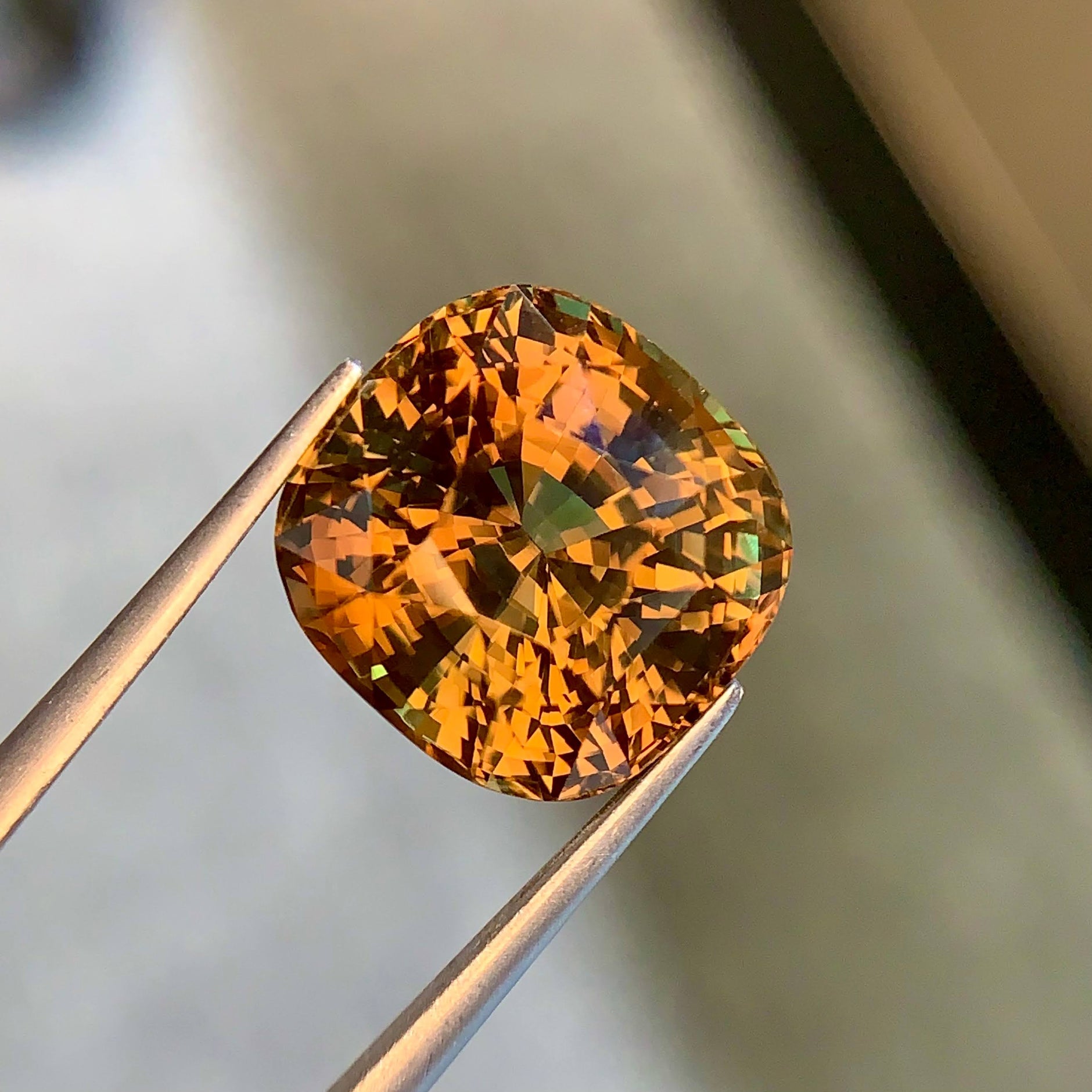


The Healing Crystals for Throat Pains
The healing crystals for throat pains commonly mentioned in contemporary gemstone traditions include aquamarine, amethyst, lapis lazuli, black tourmaline, citrine, peridot, and garnet. These seven stones have symbolic associations with communication, tranquility, personal balance, confidence, renewal, and endurance. Aquamarine and lapis lazuli are especially familiar in throat chakra traditions because of their blue coloration, while amethyst is connected with reflection and citrine with optimism.
Throat pain can develop for several reasons, including viral respiratory infections, bacterial infections, tonsillitis, laryngitis, acid reflux, allergies, and irritation from smoking or environmental exposure. The discomfort may appear as a dry or scratchy sensation, sharp pain when swallowing, burning irritation, or soreness accompanied by a cough or hoarse voice. Many ordinary sore throats improve without specialized treatment, but persistent or severe symptoms can require medical assessment. Because different causes require different approaches, the choice of a gemstone cannot determine what is wrong or which treatment will help.

For people who enjoy gemstone symbolism, a natural crystal can still serve as a personal keepsake or decorative reminder of an important occasion. A pale-blue aquamarine might represent thoughtful expression, while a polished lapis lazuli pendant could be chosen because of its historical connection with wisdom. Garnet and peridot provide different colors and meanings for someone who prefers warmer or greener jewelry. Their appeal comes from their appearance, craftsmanship, mineral identity, and personal significance. Buyers should evaluate these qualities independently of claims that a gemstone possesses healing energy.
Healing Crystals for Throat Pains at a Glance
| Gemstone | Traditional Symbolic Association | Gemstone Appearance | Mohs Hardness | Evidence for Treating Throat Pain |
|---|---|---|---|---|
| Aquamarine | Clear communication, tranquility, friendship | Transparent pale to saturated blue | 7.5–8 | No established clinical benefit |
| Amethyst | Reflection, composure, thoughtful expression | Violet to rich purple | 7 | No established clinical benefit |
| Lapis lazuli | Wisdom, truthfulness, self-expression | Opaque blue with possible pyrite inclusions | Approximately 5–6 | No established clinical benefit |
| Black tourmaline | Stability, grounding, protection | Opaque black | 7–7.5 | No established clinical benefit |
| Citrine | Optimism, confidence, renewal | Transparent yellow to golden orange | 7 | No established clinical benefit |
| Peridot | Growth, renewal, positive change | Transparent yellowish green to vivid green | 6.5–7 | No established clinical benefit |
| Garnet | Perseverance, friendship, personal strength | Red, purple, orange, green, and other colors | 6.5–7.5 | No established clinical benefit |
These gemstones are not medically interchangeable with pain-relief medicines, throat treatments, or appropriate clinical care. Their traditional meanings belong to cultural and personal interpretation, while their suitability for jewelry depends on mineral composition, durability, quality, and any known treatments.
What Causes Throat Pain and How Can the Symptoms Differ?
Throat pain is a symptom rather than one specific disease. Viral infections are among the most common causes, particularly when soreness develops alongside a cough, runny nose, or other cold-like symptoms. Bacterial infections, including group A streptococcal throat infection, are another possible cause and may require a different approach to treatment.
Tonsillitis can produce swollen and painful tonsils, sometimes accompanied by fever, difficulty swallowing, or enlarged neck glands. Laryngitis affects the voice box and may cause hoarseness or temporary voice loss, while reflux can irritate the throat without necessarily producing the same symptoms as a respiratory infection.
Environmental factors can also contribute. Smoking, secondhand smoke, dry air, and other irritants may cause discomfort, while allergies can create irritation associated with postnasal drainage.
The cause matters because a throat that feels painful during a viral infection is not managed in precisely the same way as persistent reflux-related discomfort or a suspected bacterial infection. A gemstone cannot distinguish between these possibilities.
Sore Throat Versus Tonsillitis and Laryngitis
A sore throat is a general description of discomfort affecting the throat, while tonsillitis and laryngitis refer to inflammation involving particular anatomical structures.
Tonsillitis affects the tonsils and may cause painful swallowing, fever, or visible swelling. Laryngitis affects the larynx and commonly produces a hoarse voice, although throat discomfort may also occur.
These conditions can overlap with an ordinary respiratory infection, but their clinical implications are not identical. Persistent voice changes, severe swallowing difficulties, or repeated infections may require more specific evaluation.
The distinction is especially important because modern crystal traditions sometimes use the same descriptions of blocked communication or throat energy for all three conditions. That symbolic language does not explain the different medical mechanisms involved.
Aquamarine: A Blue Crystal Traditionally Linked With Throat Comfort
Aquamarine is the blue-to-greenish-blue variety of beryl, a mineral with the chemical formula Be₃Al₂Si₆O₁₈. Its familiar colors resemble seawater, ranging from delicate pale blue to more saturated blue and slightly greenish-blue tones.
Historical gemstone traditions associate aquamarine with friendship, communication, courage, and tranquility. Its cool appearance has made it particularly popular in modern throat chakra symbolism, where blue gemstones are frequently connected with self-expression and thoughtful speech.
These associations explain why aquamarine appears in discussions about crystals for throat pain. However, the gemstone's appearance does not establish an anti-inflammatory effect, and its presence near the neck does not eliminate viruses, bacteria, or other causes of soreness.
Does Aquamarine Actually Soothe a Sore Throat?
There is no reliable clinical evidence that aquamarine relieves throat pain or speeds recovery from infection. Its blue color is an optical characteristic produced by the mineral's chemistry and the interaction of light with its crystal structure.
A gemstone that appears visually cool does not physically cool inflamed throat tissue when worn as jewelry. Likewise, placing it against the neck does not deliver a treatment capable of correcting inflammation inside the throat.
Someone who appreciates aquamarine can choose a pendant because of its beauty or its symbolic association with communication. The person should not need to position the stone over a painful area or apply pressure to experience that personal meaning.
When a sore throat is persistent, severe, or accompanied by worrying symptoms, appropriate clinical assessment takes priority over symbolic gemstone practices.
Aquamarine Color, Clarity, and Jewelry Quality
Fine aquamarine generally displays attractive blue saturation, good transparency, and cutting proportions that return light effectively. Pale stones can provide an elegant appearance, although their color may look weaker under certain lighting conditions.
A well-cut aquamarine should show balanced facets and attractive brightness without prominent windowing. Excessive depth can retain unnecessary carat weight below the girdle while reducing the stone's visible size.
Aquamarine has a Mohs hardness of approximately 7.5 to 8 and generally good toughness, making it suitable for many pendants, earrings, and carefully designed rings.
Commercial material may undergo heating to reduce greenish coloration and produce a more desirable blue appearance. Accurate treatment descriptions are important when natural color or untreated status materially affects purchasing expectations.
For a buyer seeking blue jewelry, appearance, clarity, cut, and durability provide genuine reasons to choose aquamarine without relying on therapeutic promises.
Amethyst: Purple Quartz and Traditional Calmness Symbolism
Amethyst is the purple variety of quartz, composed of silicon dioxide with the formula SiO₂. It occurs naturally in shades ranging from pale lavender to deep violet and reddish purple.
Its distinctive color has made it important in jewelry and decorative arts, while historical interpretations associate the gemstone with reflection, composure, and thoughtful judgment.
Within modern crystal traditions, amethyst is sometimes described as a stone that relaxes tension or provides comfort during difficult experiences. This symbolic reputation has encouraged its inclusion in discussions involving throat soreness or discomfort.
However, amethyst has not been shown to reduce throat inflammation, strengthen immunity, or treat infections. Its mineral composition and color do not establish a medically effective interaction with the tissues of the throat.
Can Amethyst Relieve Throat Pain Caused by Stress?
Stress can influence how a person experiences discomfort, but a sore throat should not automatically be attributed to emotional tension. Infections, reflux, allergies, vocal strain, and other physical causes remain important possibilities.
There is no reliable evidence that placing amethyst near the throat relieves pain by relaxing muscles or changing nerve signaling. A person may enjoy a familiar gemstone during a quiet reflective activity, but that experience is not evidence that the stone alters inflammation.
Someone experiencing recurring throat pain should consider medical assessment rather than assuming that the symptom reflects an unexpressed emotion.
The symbolic association between amethyst and composure can remain personally meaningful without becoming an explanation for a medical condition.
Selecting Amethyst for a Meaningful Pendant
Amethyst has a Mohs hardness of 7 and generally good toughness, making it suitable for many jewelry designs. Fine specimens are often available with attractive transparency and carefully cut facets.
Color zoning can occur naturally, causing some areas of a gemstone to appear more strongly purple than others. A cutter may orient the stone to emphasize pleasing saturation, although conspicuous zoning can remain visible.
The buyer should assess the actual face-up color and cutting proportions. A smaller amethyst with rich violet saturation and attractive light return may be more satisfying than a heavier stone with substantial windowing.
A pendant can provide a beautiful way to appreciate the gemstone's color and symbolism. Its dimensions and mounting should be chosen for comfort and appearance rather than for an assumed healing position over the throat.
Lapis Lazuli: Historic Blue Symbolism and Personal Expression
Lapis lazuli is a blue ornamental rock containing several minerals, most notably lazurite, often accompanied by calcite and pyrite. Its recognizable appearance may include rich royal-blue coloration with delicate golden-colored inclusions.
Unlike transparent aquamarine or amethyst, lapis lazuli is usually opaque and is commonly polished into cabochons, beads, carvings, and decorative jewelry.
The stone has been valued for thousands of years in ornaments, pigments, and ceremonial objects. Its cultural history has encouraged symbolic associations with wisdom, truthfulness, reflection, and self-expression.
These meanings contributed to its place in modern throat chakra traditions, where it is sometimes recommended for vocal discomfort or difficulty expressing thoughts.
Lapis Lazuli Cannot Treat Vocal Fold or Throat Inflammation
There is no reliable clinical evidence that lapis lazuli treats laryngitis, tonsillitis, bacterial infection, or irritation caused by reflux. Its traditional connection with communication does not establish a biological effect on the larynx or surrounding tissues.
A person who experiences throat discomfort when speaking may have vocal strain, inflammation, or another condition requiring a different response from an ordinary sore throat.
Wearing lapis lazuli near the neck does not remove the need for appropriate evaluation when symptoms continue.
The gemstone can still carry a personal meaning related to honesty or communication, but that association should not be presented as a reason to delay medical care.
Lapis Lazuli Quality, Treatments, and Care
Fine lapis lazuli is valued for strong blue coloration, attractive polish, and a pleasing arrangement of visible minerals. Some buyers prefer a relatively uniform blue surface, while others appreciate small pyrite inclusions.
White calcite may create contrasting patterns, although excessive pale areas can reduce the saturated appearance sought in certain commercial categories.
Lapis lazuli has a Mohs hardness of approximately 5 to 6 and may be affected by dyeing, impregnation, or other enhancements. Its relative softness and possible treatments require more conservative care than that appropriate for sapphire.
A buyer should select lapis lazuli according to its color, polish, pattern, condition, and intended decorative use. The gemstone should not be placed inside the mouth or used to prepare homemade throat remedies.
Black Tourmaline: Grounding Symbolism Without Clinical Benefits
Black tourmaline commonly refers to dark tourmaline, particularly schorl, and is often encountered as opaque black crystals or polished decorative objects.
Contemporary crystal traditions associate black tourmaline with stability, grounding, protection, and emotional reassurance. These symbolic meanings have led to its inclusion in discussions about neck tension and throat discomfort.
However, black tourmaline does not relax throat muscles, neutralize infectious organisms, reduce swelling, or alter pain signals through a clinically demonstrated effect.
Its physical properties include mineral hardness and electrical characteristics, but those properties do not establish the protective energy mechanisms sometimes claimed by crystal sellers.
Why Black Tourmaline Should Not Be Pressed Against the Neck
A sore or swollen throat may be uncomfortable to touch, particularly when nearby tissues are inflamed. Pressing a hard gemstone against the affected area does not treat the cause and may create unnecessary pressure.
Rough mineral specimens may also have sharp edges or surfaces unsuitable for direct contact with irritated skin.
Someone who appreciates black tourmaline can keep it as a decorative crystal or wear comfortable ordinary jewelry. Its personal meaning does not depend on taping it to the neck or placing it directly over painful tissues.
When throat symptoms include significant swelling, difficulty swallowing, or breathing problems, those signs require medical attention rather than a crystal-based approach.
Citrine: A Golden Gemstone Associated With Optimism
Citrine is the yellow-to-orange variety of quartz and is commonly fashioned into transparent faceted gemstones. Its colors range from pale lemon yellow through rich gold to deeper orange tones.
Modern crystal traditions often associate citrine with confidence, optimism, motivation, and personal renewal. These meanings may appeal to someone who wants a keepsake marking recovery from an illness or an important personal milestone.
However, citrine does not warm the throat internally, stimulate blood flow to inflamed tissues, enhance immunity, or relieve a sore throat through a demonstrated biological mechanism.
Choosing Golden Citrine for Jewelry
Fine citrine is generally evaluated for appealing hue, saturation, transparency, cutting precision, and actual size. A well-cut stone should display attractive brightness without excessive windowing or dark areas that reduce visual appeal.
Citrine has a Mohs hardness of 7 and generally good toughness, making it suitable for many carefully worn jewelry designs.
Much commercial citrine is produced by heating suitable amethyst or other quartz. This is an established color treatment and should be disclosed accurately when relevant to the purchasing decision.
A golden faceted citrine can create an attractive pendant or pair of earrings. Its legitimate value comes from color and craftsmanship rather than a supposed effect on throat inflammation or circulation.

Peridot: A Green Gemstone Traditionally Linked With Renewal
Peridot is the transparent green gemstone variety of olivine, a magnesium-iron silicate mineral commonly represented by the formula (Mg,Fe)₂SiO₄.
Its colors range from yellowish green through bright grass green to deeper olive tones, creating a visual contrast with the blue and purple stones more commonly associated with throat chakra traditions.
Historical symbolism connects peridot with renewal, protection, prosperity, and positive change. Modern crystal descriptions sometimes extend those meanings to physical cleansing or recovery after illness.
However, peridot has not been demonstrated to remove toxins, improve lymphatic drainage, or reduce lingering throat inflammation. Such claims should not be used to explain persistent symptoms or determine whether medical treatment is necessary.
Peridot Quality and Practical Jewelry Use
Fine peridot should display attractive green saturation, good transparency, and cutting proportions that return light effectively. Brownish secondary hues may influence desirability, although the preferred appearance depends on the buyer's taste.
The gemstone has a Mohs hardness of approximately 6.5 to 7, making it more vulnerable to scratching than aquamarine or sapphire. It may also be sensitive to sudden temperature changes.
Earrings and pendants can be particularly practical because they expose the gemstone to fewer physical impacts than frequently worn rings.
A green peridot may become a meaningful gift celebrating the end of a difficult period, but the symbolism should remain separate from any expectation of accelerating recovery.
Garnet: A Gemstone Traditionally Associated With Perseverance
Garnet is a group of related silicate minerals rather than one gemstone with a single composition or color. Although red varieties are widely recognized, garnet also occurs in purple, orange, green, and other shades.
Historical gemstone traditions associate garnet with affection, friendship, loyalty, perseverance, and commitment. These meanings have contributed to its inclusion in crystal practices involving personal strength.
Some contemporary claims suggest that garnet improves circulation or restores physical energy during illness. There is no reliable clinical evidence supporting those effects, and a garnet cannot correct the causes of a sore throat.
Choosing Red Garnet or Rhodolite for a Personal Gift
Deep-red garnet may provide a traditional appearance, but certain stones become excessively dark under ordinary lighting. A buyer should examine whether the red color remains attractive and visible rather than selecting the deepest available shade automatically.
Rhodolite garnet offers raspberry and purplish-red colors, while green garnet varieties provide a different visual character.
The garnet group's Mohs hardness varies approximately from 6.5 to 7.5, depending on mineral species. Clarity, cutting quality, structural condition, and actual dimensions should be considered when selecting a stone for jewelry.
A garnet pendant can represent appreciation for someone's perseverance during a challenging time without suggesting that the gemstone has a measurable influence on the body.
Why Throat Chakra Crystals Are Not Medical Treatments
The throat chakra is known as Vishuddha in certain yogic traditions and is symbolically associated with communication and expression. Modern gemstone interpretations often connect blue stones, particularly aquamarine and lapis lazuli, with this concept.
These traditions may carry cultural or spiritual significance, but the chakra system does not provide a clinically established anatomical explanation for sore throats, laryngitis, tonsillitis, reflux, or other conditions.
Claims that throat pain develops because someone is withholding emotions can be especially misleading when they replace consideration of physical causes. Stress may influence a person's experience of discomfort, but an infection or inflammatory condition should not be assumed to result from a failure to express feelings.
A person can respect the symbolism without treating it as a diagnostic method. Gemstones can represent personal intentions while the medical condition is evaluated through appropriate clinical assessment.
What Actually Helps With an Ordinary Sore Throat?
Many uncomplicated sore throats improve on their own, especially when caused by common viral infections. Appropriate self-care can focus on reducing discomfort and maintaining hydration while the illness resolves.
Drinking sufficient fluids, choosing foods that are comfortable to swallow, and resting can be useful. Cool or warm drinks may provide temporary relief according to personal preference.
Some adults and older children who can gargle safely may find warm saltwater gargles comforting. Young children should not be encouraged to gargle when they may swallow or choke on the solution.
Suitable over-the-counter pain relief, such as paracetamol or ibuprofen, may help when used according to product instructions and the individual's medical circumstances.
When Antibiotics Are Appropriate
Antibiotics are not normally required for an ordinary sore throat because many cases are caused by viruses. They do not treat viral infections and may not provide meaningful benefit when a bacterial infection is absent.
A healthcare professional may consider antibiotics when bacterial infection, including certain streptococcal infections, is suspected or confirmed under appropriate clinical guidance.
Using antibiotics unnecessarily can create side effects and contribute to antimicrobial resistance, while delaying suitable treatment for significant bacterial disease can also be harmful.
The decision should depend on symptoms, examination, and relevant testing rather than on the use of a crystal or the symbolism assigned to a gemstone.
Why Recurrent Throat Pain Needs a Different Approach
Repeated throat discomfort may result from recurrent infections, reflux, allergies, environmental irritation, or other causes. The correct management depends on identifying the contributing condition rather than treating every episode as identical.
Someone with repeated painful swallowing or persistent hoarseness may require examination of the throat or larynx, particularly when ordinary measures have not helped.
A person with reflux-related symptoms may need a different management plan from someone with recurring bacterial tonsillitis.
Natural gemstones cannot distinguish these conditions, making professional assessment important when symptoms persist or repeatedly return.
When Throat Pain Requires Urgent Medical Attention
A sore throat that does not improve after about a week, frequently recurs, or occurs alongside a persistent neck lump should be assessed by a healthcare professional.
Earlier advice is appropriate when the person has a very high temperature, signs of dehydration, a weakened immune system, or symptoms that are unusually severe.
Difficulty breathing, inability to swallow, drooling because swallowing is impaired, or a high-pitched breathing sound are emergency warning signs. Rapidly worsening severe symptoms also require immediate emergency assistance.
These conditions should not be managed by placing crystals over the neck, using gemstone-infused drinks, or waiting for a symbolic healing practice to take effect.
A gemstone can remain a cherished personal object, but it has no role in determining whether urgent medical care is necessary.
Choosing Natural Gemstones for a Throat-Related Symbolic Gift
A symbolic gift connected with communication or a meaningful personal experience does not have to be a blue stone. The recipient's favorite colors and usual jewelry preferences are more useful than a rigid crystal association.
Someone who prefers subtle blue jewelry might appreciate aquamarine, while a person drawn to stronger color may choose purple amethyst or raspberry garnet. Citrine introduces a warm golden alternative, and peridot offers a bright natural green.
Lapis lazuli and black tourmaline are particularly relevant for buyers who enjoy opaque ornamental materials, while aquamarine, amethyst, citrine, peridot, and many garnets can be fashioned into transparent faceted stones.
Selecting the Right Gemstone for a Pendant
A pendant intended as a personal keepsake should be comfortable, securely mounted, and suitable for the wearer's preferences. A light-blue oval aquamarine may complement a simple white-metal setting, while an amethyst cushion can provide a stronger purple centerpiece.
Cutting quality influences the finished appearance. Windowing can make a stone look pale, while excessive extinction may create large dark regions that diminish brilliance.
Carat weight measures mass rather than visible size, so millimeter dimensions should be assessed before commissioning a custom setting.
For a pendant celebrating a performance, an important conversation, or another personal milestone, you can buy loose faceted gemstones on Gandhara Gems and choose the stone whose color and actual dimensions suit your design. Its connection with communication should remain personal symbolism, not a promise of throat relief.
Natural Gemstone Treatments and Accurate Identification
A naturally formed gemstone may undergo heating or another enhancement after mining. Aquamarine and some quartz varieties may receive color-related treatments, while lapis lazuli can be dyed or impregnated.
Treatment information matters because enhancements can influence value, appearance, and maintenance requirements.
Color alone cannot establish natural origin, untreated status, or geographic source. Buyers should consider accurate material identification and any relevant documentation.
Information accompanying gemstone authenticity assurances can contribute to purchasing confidence when evaluated alongside the individual stone's description.
A gemstone identified as natural is not thereby established as medically effective. Mineral authenticity and health claims require entirely different forms of evidence.
Comparing Gemstone Durability and Jewelry Suitability
Blue aquamarine, purple amethyst, yellow citrine, green peridot, and red garnet differ in their resistance to scratching, impacts, and environmental conditions.
Aquamarine has a hardness of approximately 7.5 to 8, offering greater scratch resistance than amethyst or citrine, both of which belong to quartz and measure 7 on the Mohs scale.
Peridot and several garnet varieties are also suitable for jewelry, although their structural characteristics and durability require individual assessment.
Lapis lazuli is softer and often contains multiple mineral components, making it more appropriate for protected ornamental jewelry. Black tourmaline can be used decoratively, while transparent colored tourmaline is better suited to faceted designs where light return and clarity are important.
The most appropriate choice depends on how the jewelry will be worn. Pendants and earrings generally experience fewer impacts than rings, allowing greater flexibility for relatively delicate materials.
Gemstone Quality, Value, and Commercial Claims
Gemstone value is influenced by mineral species, color, transparency, cutting quality, size, treatments, and commercial availability.
Fine aquamarine may be particularly desirable when it combines saturated blue color with excellent transparency. Amethyst and citrine often provide attractive faceted options in a range of sizes, while certain garnet varieties can command greater premiums for unusual colors or exceptional quality.
Lapis lazuli is generally evaluated according to blue saturation, pattern, polish, and condition, whereas black tourmaline may be purchased primarily as an ornamental or mineral specimen.
A larger carat weight does not guarantee superior quality. A heavy gemstone may be poorly proportioned, excessively dark, or affected by significant fractures.
Claims that a particular gemstone possesses stronger throat-healing power because of its rarity, color, or size are unsupported. A fair buying decision should focus on the actual stone's characteristics and suitability for the intended jewelry rather than any supposed medical benefit.
How to Care for Gemstone Necklaces and Pendants
Gemstone jewelry should be cared for according to its mineral properties and known treatments.
Aquamarine, amethyst, citrine, and many garnets can generally be cleaned gently using mild soap and warm water when their structural condition permits. Peridot should be protected from thermal shock, and lapis lazuli requires greater caution because of its lower hardness and possible surface enhancements.
A pendant should also fit comfortably and should not constrict the neck. During an illness involving tenderness or swelling, it may be preferable to avoid jewelry that rests directly on an uncomfortable area.
Gemstones should be stored separately where harder materials could scratch softer stones, and settings should be inspected periodically for signs of wear.
Suitable gemstone care and cleaning helps maintain the appearance and condition of the jewelry. It does not activate a medical healing property or change the treatment required for throat pain.

Conclusion
Aquamarine, amethyst, lapis lazuli, black tourmaline, citrine, peridot, and garnet possess different colors, mineral properties, and traditional symbolic associations. The blue stones are especially connected with communication in modern crystal traditions, while the others represent ideas such as composure, renewal, and perseverance. These meanings can enrich a personal jewelry choice, but none of the gemstones is an evidence-based remedy for throat pain. Persistent or severe symptoms require medical assessment, and emergency warning signs should never be overlooked.
A personal keepsake can commemorate a meaningful conversation, a successful performance, or the return to familiar activities without making claims about physical healing. Aquamarine offers delicate blue transparency, while garnet or amethyst can introduce richer colors to a custom design. If you prefer to choose the stone before deciding on its mounting, Gandhara Gems offers natural gemstones that you can buy for a pendant, earrings, or a personal collection. Consider the gemstone's face-up color, cut, structural condition, and actual measurements, allowing its beauty and the significance of the occasion to define the finished piece.
Frequently Asked Questions About Healing Crystals for Throat Pains
Which crystals are traditionally associated with throat pain?
Aquamarine, amethyst, lapis lazuli, black tourmaline, citrine, peridot, and garnet are among the gemstones commonly mentioned in contemporary crystal traditions involving throat discomfort or communication. Aquamarine and lapis lazuli are particularly familiar because their blue appearance is connected with symbolic throat chakra interpretations. However, these associations do not establish medical effectiveness. None of the stones has been scientifically demonstrated to relieve throat inflammation, eliminate infection, or treat conditions such as tonsillitis or laryngitis. They may be appreciated as personal ornaments, but medical symptoms require appropriate care.
Can aquamarine or lapis lazuli relieve a sore throat?
There is no reliable clinical evidence that aquamarine or lapis lazuli relieves a sore throat. Aquamarine is a transparent blue variety of beryl, while lapis lazuli is an opaque blue ornamental rock containing several minerals. Their association with the throat arises primarily from cultural symbolism involving communication and expression. Wearing either stone near the neck does not establish an effect on infected or inflamed tissues. A sore throat may result from viral infection, bacterial infection, irritation, or other causes that require different forms of care.
Do throat chakra crystals help with laryngitis?
Throat chakra crystals have not been demonstrated to treat laryngitis. The throat chakra is a symbolic concept within certain spiritual traditions, whereas laryngitis involves inflammation affecting the larynx and may cause hoarseness or temporary voice loss. A blue gemstone can carry personal meaning for someone who values communication, but it does not repair vocal fold tissue or address the cause of inflammation. Appropriate voice care and medical assessment depend on the individual's symptoms and circumstances. Persistent hoarseness should not be attributed automatically to an energetic imbalance.
Is it safe to put crystals directly on a painful throat?
Pressing a hard gemstone against a painful or swollen neck is not an established treatment and may create unnecessary discomfort. Rough crystals can also have sharp edges, while tight bands or taped stones may apply undesirable pressure. Gemstones should not be placed inside the mouth or used to prepare homemade medicinal drinks. Someone who appreciates a crystal can keep it as a decorative object or wear ordinary comfortable jewelry when appropriate. Significant neck swelling, difficulty swallowing, or breathing problems require medical evaluation rather than direct application of stones.
What is the difference between throat pain and a voice problem?
Throat pain describes discomfort affecting the throat and may result from infection, irritation, reflux, allergies, or other conditions. A voice problem involves changes in voice quality, strength, pitch, or endurance and may result from laryngeal inflammation, vocal overuse, or other causes. The two can occur together, but they are not identical. Some people experience a severe sore throat without losing their voice, while others become hoarse with little throat pain. A gemstone cannot distinguish between these conditions, making the symptom pattern and appropriate clinical examination important.
When should someone with throat pain see a doctor?
A sore throat that does not improve after about a week, repeatedly returns, or occurs alongside a persistent neck lump should be assessed by a healthcare professional. Earlier advice is appropriate when symptoms are unusually severe or accompanied by a very high temperature, dehydration, or a weakened immune system. Difficulty breathing, inability to swallow, drooling because swallowing is impaired, or rapidly worsening severe symptoms are emergency warning signs. Crystals cannot determine whether a condition is serious and should not delay necessary assessment or treatment.
Do antibiotics cure every sore throat?
No. Many sore throats are caused by viruses, and antibiotics do not treat viral infections. Antibiotics may be appropriate for certain bacterial infections, depending on clinical assessment and relevant guidance. Using antibiotics unnecessarily can cause side effects and contribute to antimicrobial resistance. The appropriate treatment depends on the cause of the symptoms, which may involve infection, irritation, reflux, or another condition. Gemstones do not have established antibacterial effects capable of replacing prescribed medication, and their symbolic associations cannot determine whether antibiotics are required.
Is sapphire or aquamarine better for a blue pendant?
Both can create beautiful blue pendants, but they differ in mineral identity, hardness, typical color saturation, and commercial value. Sapphire belongs to corundum and has a Mohs hardness of 9, while aquamarine belongs to beryl and measures approximately 7.5 to 8. Sapphire frequently displays richer blue coloration, while aquamarine often provides a lighter, more delicate appearance. The better choice depends on the recipient's preferred hue, cutting style, transparency, dimensions, and budget. Neither gemstone has a demonstrated medical advantage for treating throat problems.
Can natural gemstone jewelry be a thoughtful gift during recovery?
Yes. Natural gemstone jewelry can be a thoughtful gift when selected for the recipient's personal preferences and the significance of the occasion. A blue aquamarine pendant may suit someone who appreciates understated colors, while a purple amethyst or red garnet can create a more expressive appearance. The gemstone should be chosen according to accurate mineral identification, attractive color, suitable cutting quality, and practical durability. Its sentimental value comes from the gesture and the finished piece, not from a scientifically unsupported claim that the stone can accelerate medical recovery.


