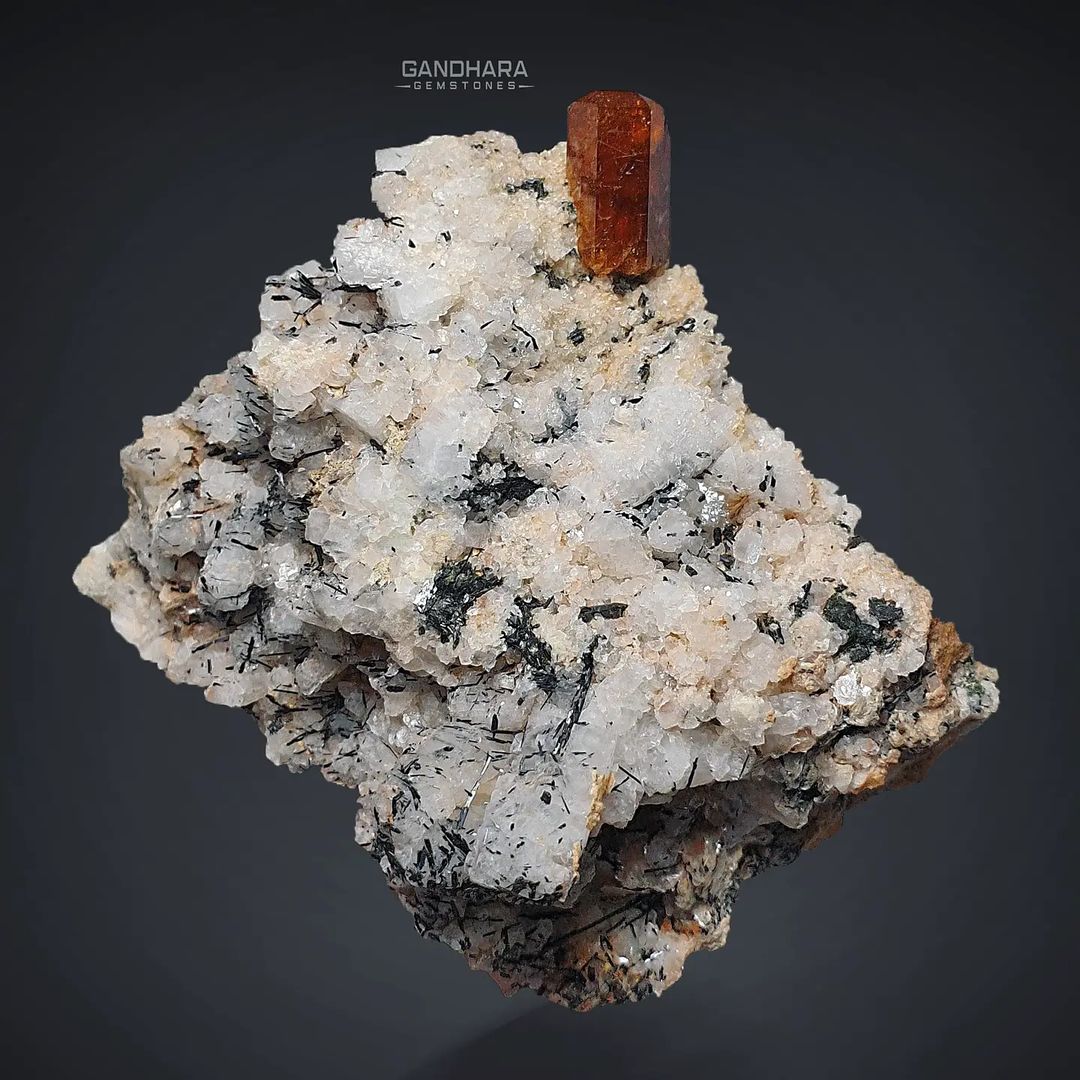
Bastnasite Minerals

Bastnasite minerals are best selected by comparing natural crystal form, yellow to reddish-brown color, surface luster, matrix relationships, physical dimensions, visible preservation and the precision of the mineral identification rather than by choosing the darkest or heaviest specimen automatically. Bastnäsite belongs to a group of rare-earth carbonate-fluoride minerals whose members are distinguished by the dominant rare-earth element in their composition. Bastnäsite-(Ce) is among the best-known members, while bastnäsite-(La), bastnäsite-(Nd) and bastnäsite-(Y) represent related species within the same group.

Bastnasite Crystal Data, Price, Meaning,

Natural crystals can range from light yellow through honey, orange-brown, reddish-brown and brick-red tones, with vitreous, greasy or pearly-looking surfaces depending on the species and individual specimen. The combination of unusual chemistry, relatively high density and hexagonal crystal form makes bastnasite especially interesting to collectors who want more than a visually attractive mineral. Within the larger selection of mineral specimens and crystals, bastnasite rewards close attention to morphology, provenance and identification rather than simple size.

Bastnasite Mineral Group: Why the Rare-Earth Element Matters

The word bastnasite is commonly used as a group or commercial term, but mineralogically the exact species depends on which rare-earth element dominates the relevant crystallographic site. Bastnäsite-(Ce), for example, is cerium-dominant, while other accepted species can be dominated by lanthanum, neodymium or yttrium.

That distinction matters because two crystals with similar color and form may not be chemically identical. A reddish-brown specimen cannot be assigned to one bastnasite species simply from color, nor does a yellow crystal automatically indicate cerium dominance without additional evidence.

Collectors interested mainly in morphology may be satisfied with a reliable bastnasite-group identification, while a systematic collector building a chemically precise collection may place greater importance on analytical confirmation. The specimen should always be described at the level supported by the available evidence rather than with more chemical precision than has actually been established.

Bastnasite Crystal Form: Hexagonal Growth and Collector Appeal

Members of the bastnasite group commonly crystallize in the hexagonal system and can develop tabular, prismatic or more compact crystal forms. Some specimens present clear individual faces and recognizable symmetry, while others occur as intergrown aggregates whose geometry becomes easier to appreciate under directional light.

Crystal completeness often matters more than gross size. A smaller bastnasite with intact faces, a readable termination and strong natural luster can provide more mineralogical value than a larger mass in which the original crystal form is difficult to recognize.

Natural contact surfaces deserve careful interpretation. A crystal that grew against calcite, feldspar or another associated mineral may have incomplete development in that area, while a later chip removes part of a face that originally existed. Buyers should therefore distinguish geological growth features from post-mining damage before judging overall condition.

Bastnasite Color: Yellow, Honey, Brown and Reddish Crystals

Bastnasite can occur in yellow, brownish-yellow, reddish-brown, brick-red and related warm colors. Thin transparent or translucent edges may appear considerably lighter than the thicker central portions of the same crystal, particularly when the specimen is examined with transmitted light.

Color variation can also reflect differences in composition and impurities, which is why hue should never be used to determine the exact species on its own. Two bastnasite-group minerals may overlap substantially in appearance even when their dominant rare-earth element differs.

Collectors should therefore treat color as one part of the specimen's appeal rather than a complete identification method. A honey-colored crystal with excellent form can be more compelling than a deeper red specimen whose faces are heavily abraded or whose termination has been lost.

Bastnasite Luster: Vitreous, Greasy and Pearly Surface Character

Bastnasite-group minerals can show vitreous, greasy or pearly luster depending on the species, crystal face and condition. This variation gives the specimen a very different visual character from highly metallic minerals or glassy quartz.

Good surface preservation helps the crystal geometry remain visible. Even relatively dark reddish-brown crystals can show crisp reflective faces when viewed under directional light, while abrasion can dull those surfaces and make the specimen appear less well defined.

Natural growth textures should not be confused with damage. Slight unevenness, contact areas and subtle surface variations may reflect the way the crystal formed, whereas fresh scratches and chips usually cut across the natural structure. The most useful comparison focuses on whether the important faces preserve their original form and luster.

Bastnasite Density: Why Compact Specimens Can Feel Surprisingly Heavy

Bastnasite minerals have relatively high density because rare-earth elements contribute substantially to their composition. A compact crystal can therefore feel heavier than quartz, feldspar or many common silicate minerals of the same apparent size.

This makes physical dimensions particularly important when buying online. An impressive gram weight does not necessarily translate into a large cabinet specimen, especially when the focal crystal is dense and compact.

Length, width and height should be reviewed alongside weight so the buyer understands the true scale of the specimen. Matrix can complicate the comparison further because part of the total weight may come from associated minerals rather than the bastnasite itself.

Bastnasite Hardness and Fragility: Why Rare-Earth Crystals Need Care

Bastnasite-group minerals are relatively soft, commonly around Mohs 4 to 4.5 for well-known species. This means exposed faces can scratch when they contact quartz or harder collector minerals, and sharp edges should not be treated as resistant to rough handling.

Brittleness adds another concern. A compact crystal may appear mechanically strong but can still chip if dropped, while thin tabular areas can be especially vulnerable to pressure.

The general recommendations under gemstone care provide useful handling principles, although natural specimens should always be stored according to their weakest feature. Separate storage and a stable display position help preserve luster and natural faces far better than frequent handling.

Bastnasite Matrix Specimens: Associated Minerals Can Strengthen the Geological Story

Bastnasite can occur in carbonatites, hydrothermal environments and other rare-earth-rich geological settings, depending on species and locality. Matrix specimens can therefore preserve useful relationships with calcite, barite, fluorite, quartz or other associated minerals.

A contrasting host often improves display. Yellow or reddish-brown bastnasite against pale matrix can make crystal boundaries easier to see, while a more complex association may be attractive because it preserves several minerals from the same geological environment.

The host should also be assessed structurally. A dense bastnasite crystal attached to fragile matrix can create stress around its contact point, so the complete specimen should be supported from a stable base rather than lifted by the focal crystal.

Bastnasite Mineral Specimens vs Faceted Bastnasite Gemstones

Transparent bastnasite can occasionally be faceted, but the mineral is far more commonly appreciated as a collector specimen. These two forms emphasize different qualities.

A natural specimen preserves crystal faces, matrix, morphology and geological context, while a faceted bastnasite gemstone emphasizes transparency, warm color and optical character after the original crystal surfaces have been removed.

A complete natural crystal should not automatically be regarded as unfinished cutting rough simply because part of it is transparent. When morphology is strong, preserving the specimen can retain information and collector appeal that faceting would permanently destroy.

Bastnasite Authenticity and Species Identification

Bastnasite can resemble other yellow, brown or reddish minerals, particularly when the crystal form is poorly developed. Exact identification may also become more complicated because several bastnasite-group species are visually similar.

Crystal system, physical properties, locality information and chemistry all contribute to accurate identification. Advanced analysis may be necessary when a collector wants to determine the exact rare-earth-dominant species rather than a group-level name.

Gandhara Gems' authenticity guarantee provides relevant purchase context where mineral identity matters. Any original locality, analytical or specimen labels should be preserved because the information can be as important as the crystal itself for systematic collecting.

Bastnasite Provenance: Why Locality Information Adds Collector Value

Bastnasite-group minerals occur at a number of rare-earth-rich deposits around the world, and certain localities are known for distinctive habits, colors or associated minerals. Reliable provenance can therefore add scientific context to an otherwise visually similar specimen.

Appearance alone cannot establish origin. Yellow or reddish-brown crystals from different deposits can overlap strongly in color and form, while matrix composition is rarely unique enough to support a precise source without documentation.

Collectors should retain locality labels whenever available and avoid replacing documented information with assumptions based on resemblance. A specimen without provenance can still be attractive, but its origin should remain unspecified rather than guessed.

Bastnasite Meaning and Traditional Associations vs Mineral Science

Bastnasite is sometimes given symbolic or metaphysical interpretations in commercial crystal contexts, but those ideas should remain separate from mineralogical facts. The scientifically established interest of bastnasite comes from its rare-earth chemistry, crystal structure, physical properties and geological occurrence.

Claims that bastnasite treats illness, alters mental health or produces measurable healing effects are not established by its composition. Collectors can appreciate personal symbolism without confusing those beliefs with evidence-based mineral science.

Maintaining that distinction is especially important with rare-earth minerals, where their genuinely unusual chemistry is already interesting without requiring unsupported health claims.

Buying Bastnasite Minerals Online: Compare Form, Identification and Condition Together

A careful online comparison should begin with crystal form and surface preservation, followed by color, luster, matrix, dimensions, weight and identification information. Several photographs are useful because reddish-brown or dark crystals may hide important edges when photographed under flat lighting.

Buyers should also decide whether they want a visually attractive specimen or a chemically precise rare-earth example. A sharp bastnasite-group crystal with strong form can satisfy the first goal, while a collector seeking bastnäsite-(Ce), bastnäsite-(La) or another specific species should give more weight to documentation.

Gandhara Gems' shipping information provides the practical delivery framework, while the return policy explains the applicable conditions for assessing scale, condition and overall specimen character after arrival.

Bastnasite Mineral FAQs

Is bastnasite one mineral or a mineral group?

Bastnasite is commonly used as a group name covering several related rare-earth carbonate-fluoride minerals. Individual species are distinguished by the dominant rare-earth element, with bastnäsite-(Ce), bastnäsite-(La), bastnäsite-(Nd) and bastnäsite-(Y) among recognized members. A general bastnasite label therefore does not automatically establish the exact species unless compositional evidence supports that identification.

What colors can natural bastnasite show?

Natural bastnasite can occur in yellow, pale yellow, honey, brownish-yellow, reddish-brown, brick-red and related tones depending on species, composition and impurities. Some crystals may look darker through thick sections while thinner edges transmit lighter color. Color is useful aesthetically but should not be used alone to determine the precise mineral species.

Why does bastnasite feel heavy for its size?

Rare-earth elements contribute to the relatively high density of bastnasite-group minerals, so compact specimens can feel heavier than many common silicates of similar dimensions. This is why physical measurements are important when buying online. A high gram weight may still correspond to a relatively small crystal.

Is bastnasite suitable for frequent handling?

Bastnasite is relatively soft at around Mohs 4 to 4.5 for common species and can be brittle, so frequent casual handling is not ideal. Harder minerals can scratch exposed faces, while drops or impacts can chip edges and tabular sections. Stable cabinet display and handling from the strongest part of the specimen are better for preserving natural surfaces.

Can bastnasite be cut into a gemstone?

Transparent bastnasite can occasionally be faceted, but gem-quality material is uncommon and the mineral's low hardness limits everyday jewelry use. A complete well-formed crystal may also have more collector interest intact than it would after cutting. The decision depends on whether natural morphology or polished optical appearance is the owner's priority.

How can I tell bastnäsite-(Ce) from bastnäsite-(La) or another member?

Visual appearance alone is generally not enough because related bastnasite-group species can overlap strongly in color, luster and habit. Exact identification requires reliable chemical information when species-level precision matters. Collectors should therefore avoid assigning a specific member simply from hue or locality unless the available documentation supports it.

Choose Bastnasite Minerals by Crystal Form, Provenance and Reliable Identification

Compare the current Bastnasite Minerals by natural hexagonal crystal development, yellow to reddish-brown color, surface luster, matrix relationship, dimensions, density and visible preservation. Give additional weight to locality and analytical information when exact rare-earth species identification matters. Choose the individual specimen whose natural morphology, condition and documented mineral identity best fit the collection you are building.

Gemstone expert consultations available

Welcome to my shop! Contact Us

Recently Viewed Products
