

-
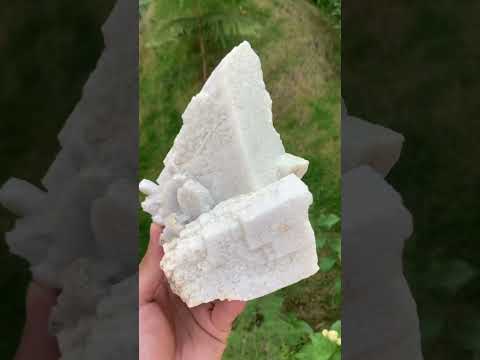
Interconnected Faden Quartz Combined Crystals Specimen from Pakistan - White
This Faden Quartz crystal specimen from Pakistan is a stunning example of natural mineral beauty. Mined from the rich geological regions of the Himalayas, this specimen features pristine, transparent crystals with sharp terminations and excellent clarity. The Faden quartz points are well-formed, showcasing the...- $350.00
- $350.00
- Unit price
- per
-
White
-
Sculptural Of Clear Quartz Crystals Specimen from Pakistan - White
This Clear Quartz crystal specimen from Pakistan is a stunning example of natural mineral beauty. Mined from the rich geological regions of the Himalayas, this specimen features pristine, transparent crystals with sharp terminations and excellent clarity. The quartz points are well-formed, showcasing the hexagonal...- $850.00
- $850.00
- Unit price
- per
-
White
-
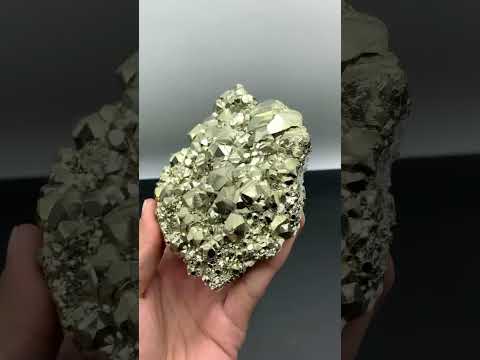
Aggregate of Glittery Light Gold Pyrite Crystals from Peru - LightGold
This striking specimen showcases an aggregate of glittery, light gold Pyrite crystals, sourced from the renowned mineral deposits of Peru. The Pyrite forms in a dazzling array of inter grown cubic and octahedral crystals, creating a mesmerizing, mirror-like surface that catches and reflects light...- $450.00
- $450.00
- Unit price
- per
-
LightGold
-
Bi color Double Terminated Smoky Blue Quartz Crystal with Albite from Afghanistan - grayish_blue
This stunning bi color double terminated Smoky Blue Quartz crystal from Afghanistan is a rare and captivating specimen, featuring a unique fusion of smoky and blue hues that create a mesmerizing visual contrast. The crystal exhibits well-defined terminations on both ends, showcasing its natural...- $220.00
- $220.00
- Unit price
- per
-
grayish_blue
-
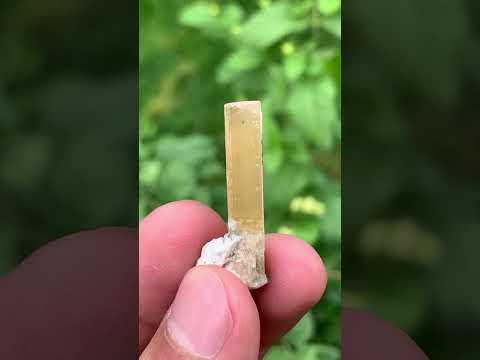
Couple of Morganite Crystals with Schorl on Quartz from Pakistan - Light-Yellow
This striking mineral specimen from Pakistan features a stunning combination of soft morganite crystals elegantly perched alongside deep black schorl tourmaline on a pristine quartz matrix. The morganite, a gem variety of beryl, displays excellent clarity with a delicate blush hue that contrasts beautifully...- $450.00
- $450.00
- Unit price
- per
-
Light-Yellow
-
Combination Specimen of Muscovite with Schorl and Albite from Pakistan - Black
This specimen from Pakistan showcases a stunning combination of Schorl, Albite, and Muscovite. Schorl, the black tourmaline variety, stands out with its deeply jet-black, striated prismatic crystals that often have a glassy luster, adding a dramatic contrast to the piece. In contrast, Albite appears...- $450.00
- $450.00
- Unit price
- per
-
Black
-
Specimen of Black Tourmaline Crystal on Smoky Quartz from Pakistan - Black
A captivating display of nature's artistry, a stunning composition of Black Tourmaline on Albite with Smoky Quartz emerges from the depths of Pakistan's mineral-rich landscapes. The deep, enigmatic hues of Black Tourmaline seamlessly contrast with the pristine beauty of Albite, creating a visually striking...- $650.00
- $650.00
- Unit price
- per
-
Black
-
Combination of Aquamarine on Muscovite with Albite from Pakistan - Light-Yellow
This striking specimen from Pakistan features a beautiful combination of aquamarine, muscovite, and albite, presenting a vivid display of colors and textures. The aquamarine crystals, with their signature cool blue to blue-green hue, stand out against the soft silvery shimmer of muscovite, which forms...- $150.00
- $150.00
- Unit price
- per
-
Light-Yellow
-
isolated double terminated Quartz on Feldspar with Garnet from Pakistan - White
This specimen is a stunning combination of natural minerals, featuring a well-formed, isolated, double-terminated quartz crystal perched elegantly on a matrix of feldspar, accented with vibrant garnet crystals. Originating from the mineral-rich regions of Pakistan, the quartz displays remarkable clarity, with sharp, well-defined terminations...- $450.00
- $450.00
- Unit price
- per
-
White
-
Double Terminated Faden Quartz Crystals on Calcite from Pakistan - Brown
This Faden Quartz specimen from Pakistan exhibits a striking clustering of crystals on its matrix, showcasing the unique geological formation of the region. The Faden Quartz crystals, characterized by their distinct milky-white appearance and thread-like inclusions, form a captivating arrangement, seemingly intertwining and intersecting...- $180.00
- $180.00
- Unit price
- per
-
Brown
-
Lustrous Schorl Black Tourmaline with Quartz on Albite from Pakistan - Black
This specimen is a striking combination of lustrous Schorl Black Tourmaline crystals inter grown with clear Quartz, all set against a bed of white Albite. The jet-black Schorl exhibits sharp, well-defined prismatic formations with a glossy surface that contrasts beautifully against the translucent Quartz,...- $250.00
- $250.00
- Unit price
- per
-
Black
-
Free Standing Schorl Tourmaline on Albite with Smoky Quartz and Mica from Pakistan - Black
This stunning mineral specimen features a freestanding Schorl Black Tourmaline crystal, elegantly perched atop a bed of white Albite. The jet-black Schorl Tourmaline exhibits sharp, well-defined prismatic faces with vertical striations, creating a striking contrast against the pearly, snow-white Albite matrix. Accompanying the Schorl...- $350.00
- $350.00
- Unit price
- per
-
Black
-
Muscovite Aggregate on Cleavelandite with Quartz from Pakistan - Yellowish Golden
The specimen is a stunning display of Muscovite aggregate on Cleavelandite with Quartz, sourced from the mineral-rich regions of Pakistan. Muscovite, a type of mica, forms in delicate, shimmering sheets that exhibit a silvery to pale golden hue, adding a subtle metallic luster to...- $250.00
- $250.00
- Unit price
- per
-
Yellowish Golden
-
cabinet size piece of Microcline Feldspar with Smoky Quartz from pakistan - White
A cabinet sized specimen of Microcline Feldspar with Smoky Quartz from Pakistan is a striking and visually captivating mineral combination. The Microcline Feldspar, known for its blocky, well-formed crystals, typically exhibits a pale to light greenish color, often referred to as Amazonite when the...- $650.00
- $650.00
- Unit price
- per
-
White
-
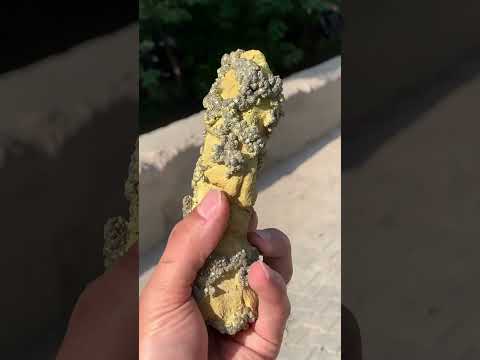
multiple growth of Pyrite on Marcasite with great luster from Pakistan - Gold
This impressive specimen of Golden Pyrite stalactite from Pakistan is a striking example of natural mineral beauty. Exhibiting a radiant metallic luster, the pyrite gleams with a rich golden hue, capturing the essence of its nickname, "Fool's Gold." The stalactite formation adds a unique...- $100.00
- $100.00
- Unit price
- per
-
Gold
-
Twinned Microcline Feldspar with etched crystal surface from pakistan - White
This exquisite specimen features twinned Microcline Feldspar with an intricately etched crystal surface, sourced from the renowned mineral-rich regions of Pakistan. The twinning in the Microcline creates a captivating interplay of symmetry and geometry, enhancing the aesthetic appeal of the mineral. The etched surface...- $550.00
- $550.00
- Unit price
- per
-
White
-
Rare gem free standing Danburite crystal on Albite matrix from Afghanistan - Yellow
Discover the exquisite beauty of this rare gem, a free standing Danburite crystal nestled on an Albite matrix from Afghanistan. This remarkable specimen showcases the natural elegance of Danburite, renowned for its pristine clarity and gentle pink hues, beautifully contrasted against the Albite matrix....- $280.00
- $280.00
- Unit price
- per
-
Yellow
-
crystallography of Pyrite Marcasite on Lemonite matrix from Pakistan - Gold
The Pyrite Marcasite on Limonite matrix from Pakistan is an extraordinary mineral specimen characterized by its unique crystallographic features and striking visual appeal. Pyrite, known for its metallic luster and pale brass-yellow hue, often crystallizes in cubic or octahedral forms. In contrast, Marcasite, which...- $280.00
- $280.00
- Unit price
- per
-
Gold
-
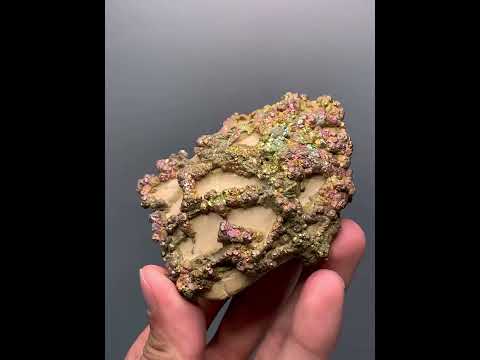
iridescent Marcasite crystals on Lemonite matrix from Pakistan - Gold
Iridescent Marcasite crystals on Limonite matrix from Pakistan are a stunning display of natural mineral beauty. The Marcasite crystals exhibit a captivating play of colors, often showing hues of green, gold, and blue as light dances across their surfaces. These crystals, known for their...- $180.00
- $180.00
- Unit price
- per
-
Gold
-
Impressive double terminated bicolor Hiddenite Kunzite crystal from Afghanistan - LightBlue
Hiddenite Kunzite crystals from Afghanistan are renowned for their stunning beauty and metaphysical properties. This particular specimen is a captivating double-terminated bicolor crystal, exhibiting a harmonious blend of soft pastel hues. The delicate pink tones of Kunzite gracefully merge with the soothing green of...- $2,800.00
- $2,800.00
- Unit price
- per
-
LightBlue
-
bicolor Hiddenite Kunzite with attached secondary crystal from Afghanistan - LightBlue
This is super vibrant and very attractive example of perfect thumbnail size specimen of Kunzite. It has excellent transparency wirh vibrant pink coloration and compact crystal form. It well crystalized all around with naturally formed fine crystal edges Product Information: Specimen Name Hiddenite Kunzite...-
LightBlue
-
-
combination specimen of Tourmaline on Lepidolite crystals from Pakistan - Green
Imagine a captivating geological masterpiece from the heart of Pakistan, where nature's artistry takes center stage. A mesmerizing specimen unfolds, showcasing the harmonious union of vibrant green Tourmaline cradled delicately on a canvas of soft, pink Lepidolite. The juxtaposition of these two exquisite minerals...- $1,700.00
- $1,700.00
- Unit price
- per
-
Green
-
specimen of Muscovite Mica crystals on Cleavelandite from Pakistan - Gold
This exquisite specimen showcases Muscovite Mica crystals delicately arranged on Cleavelandite, originating from the rich mineral deposits of Pakistan. The Muscovite Mica crystals, renowned for their transparency and remarkable hexagonal shapes, gleam in hues ranging from silvery-white to pale rose. These elegant crystals exhibit...- $420.00
- $420.00
- Unit price
- per
-
Gold
-
Impressive Microcline Feldspar with Quartz and Cleavelandite from pakistan - White
The impressive Microcline Feldspar specimen from Pakistan is a stunning geological marvel that captivates with its intricate composition and aesthetic appeal. The dominant feature of this specimen is the exquisite Microcline Feldspar crystals, displaying a captivating interplay of colors ranging from delicate greens to...- $650.00
- $650.00
- Unit price
- per
-
White
-
rare combination of gem Morganite with Pollucite and Tourmaline from Afghanistan - Pink
A captivating and rare marvel, the gem Morganite takes center stage in a mesmerizing composition alongside Pollucite and Tourmaline from the enchanting landscapes of Afghanistan. The delicate pink hues of Morganite, a variety of beryl, gracefully interplay with the ethereal translucence of Pollucite, creating...- $1,650.00
- $1,650.00
- Unit price
- per
-
Pink
-
Gorgeous museum grade Microcline Feldspar Crystal specimen from pakistan - White
Immerse yourself in the breathtaking beauty of a museum-grade Microcline Feldspar Crystal specimen from Pakistan, a true testament to the Earth's artistic prowess. This exquisite crystal, resplendent in its clarity and form, captivates the beholder with its ethereal charm. Mined from the rich geological...- $1,500.00
- $1,500.00
- Unit price
- per
-
White
-
Aquamarine crystals cluster on Muscovite matrix from Pakistan - LightBlue
Aquamarine is a light blue color variety of beryl family forming prismatic and large crystals as rarely on matrix. This particular specimen is an exceptional example for the species featuring a gorgeous gem cluster of multiple fatty crystals shooting out of silver-gray Muscovite matrix....- $3,500.00
- $3,500.00
- Unit price
- per
-
LightBlue
-
isolated elongated gem Kunzite crystals on Smoky Quartz from Afghanistan - Purple
In a captivating display of Earth's mineral wonders, a stunning composition emerges from the rugged landscapes of Afghanistan – isolated, elongated Kunzite crystals delicately cradle upon the sublime canvas of Smoky Quartz. Each Kunzite gem, with its ethereal pastel hues ranging from delicate pinks...- $980.00
- $980.00
- Unit price
- per
-
Purple
-
Impressive and lustrous Hematite rosette crystals on matrix from Pakistan - Black
A metallic luster Hematite crystal aggregate is a remarkable mineral specimen characterized by its captivating appearance and unique structural features. Hematite, with its iron-rich composition, forms intricate crystal aggregates that can exhibit twinning, a phenomenon where two or more crystal structures grow together, creating...- $1,900.00
- $1,900.00
- Unit price
- per
-
Black
-
color changing Axinite blade crystal with excellent transparency from Pakistan - Brown
This is an attractive and colorful example of gem Axinite crystal with secondary crystals shooting out along the main crystal. It has magnificent vivid dark smoky color, well crystalized all around with 360-degree view. It has nice Pleochroism effect of color change with a...- $120.00
- $120.00
- Unit price
- per
-
Brown
-
Tabular Faden Quartz crystals aggregate with Iron-oxide coating from Pakistan - Brown
Faden Quartz is a remarkable and aesthetically captivating variety of quartz crystal, distinguished by its unique physical characteristics and stunning visual appeal. The term "Faden" is derived from the German word for "thread," and this name perfectly encapsulates the defining feature of these crystals....- $220.00
- $220.00
- Unit price
- per
-
Brown
-
mint-green color Tourmaline crystals on Cleavelandite with Quartz from Afghanistan - Green
Picture a mesmerizing scene from the mineral kingdom where mint-green Tourmaline crystals steal the spotlight, delicately nestled on a bed of Cleavelandite adorned with Quartz, all originating from the breathtaking mines of Afghanistan. The Tourmaline crystals, with their soothing and refreshing aquamarine hue, create...- $280.00
- $280.00
- Unit price
- per
-
Green
Free Shipping on order over $80
100% Authentic & Certified
Save Big in 2026
Mineral Specimens
Mineral specimens preserve the natural shape, surface, color, and crystal growth that formed underground. Instead of being cut into a faceted gemstone, a fine specimen remains close to its original form, allowing the crystal faces, terminations, matrix, inclusions, and associated minerals to remain visible.

Sidebar




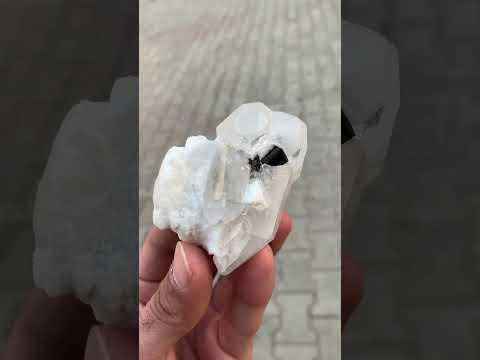


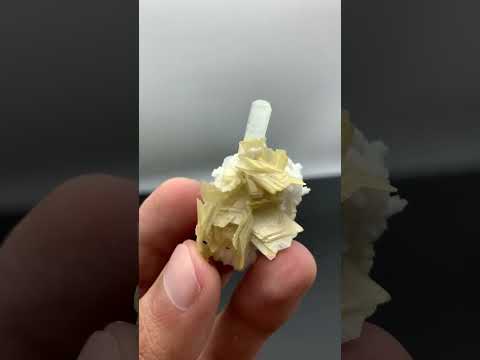


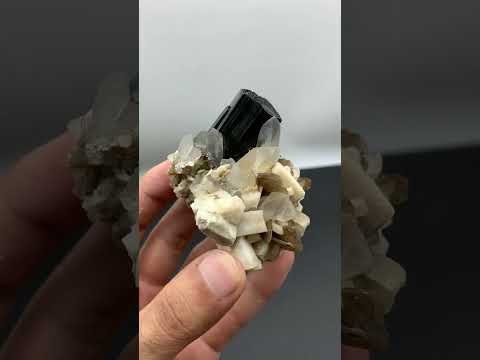

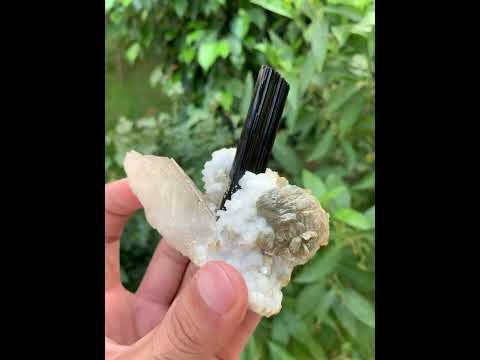

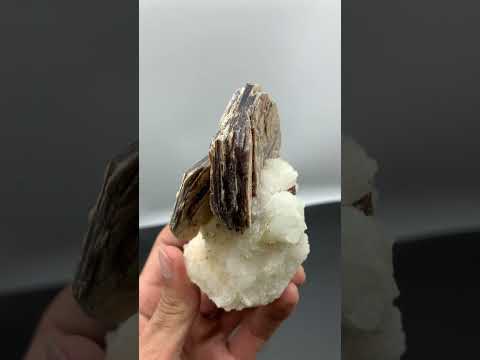

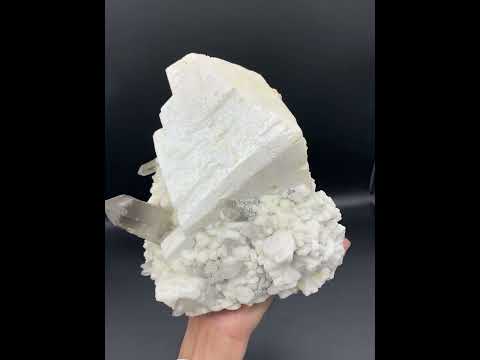

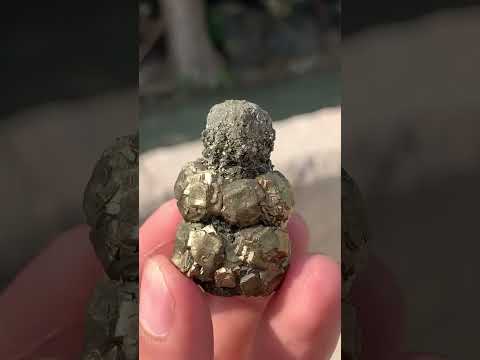






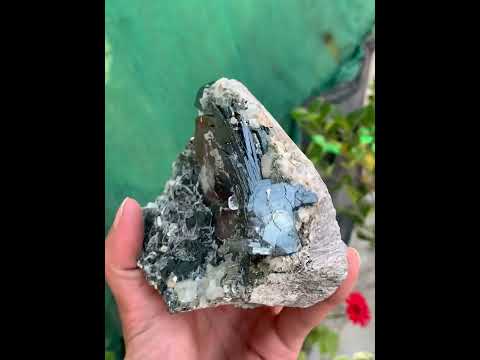

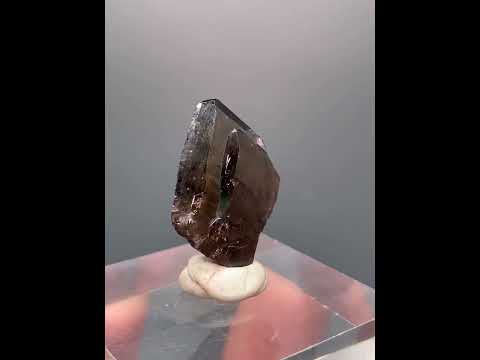


For collectors, those natural details are often the reason to choose one crystal over another. A sharply formed crystal on contrasting matrix can have exceptional visual presence, while a transparent crystal with unusual inclusions may attract attention for completely different reasons. Size matters, but crystal form, condition, color, balance, rarity, and overall appearance often matter just as much.
Gandhara Gems offers mineral specimens for collectors who appreciate natural crystals as they formed. Buyers interested in gems intended primarily for cutting can compare rough gemstones, while loose gemstones are already faceted and polished for jewelry or collecting.
What Makes Mineral Specimens Collectible?
Mineral specimens can be collected for beauty, mineral species, crystal form, locality, rarity, unusual associations, or simply because a particular crystal catches the eye.
A well-formed specimen often shows recognizable crystal faces and clean edges. Complete terminations are especially attractive because they show how the crystal finished growing naturally. Some crystals grow alone, while others form groups, clusters, sprays, twins, or complex intergrowths.
Color can be equally important. Rich green, pink, blue, purple, golden, red, colorless, or metallic crystals can create very different displays. The strongest specimen is not always the brightest one. A subtle crystal can be beautiful when its form, transparency, matrix, or growth pattern is especially good.
Condition also affects desirability. Natural contact points are common because crystals often grew against rock or neighboring crystals. Small contacts may have little effect on the appearance, while a broken main termination can be much more noticeable.
The best mineral specimens bring several strengths together rather than relying on one feature alone.
Crystal Form and Natural Growth
Crystal shape comes from the internal structure of the mineral and the conditions in which it grew. When a crystal has enough open space, recognizable faces can develop clearly.
Quartz commonly forms six-sided prisms with pointed terminations. Garnet often grows in compact geometric forms. Tourmaline tends to form elongated prisms, while topaz can produce impressive transparent crystals with strong natural faces.
Collectors often enjoy seeing these shapes because they show mineral structure without cutting or polishing.
Natural growth can also produce stepped faces, parallel crystals, twins, etched surfaces, color zones, and unusual textures. These features give mineral specimens character and make individual pieces difficult to duplicate.
A crystal does not need perfect symmetry to be appealing. In many cases, an unusual growth form is exactly what makes a specimen interesting.
Matrix Adds Context and Contrast
Many mineral specimens remain attached to the rock or crystals they grew with. This base is known as the matrix.
Matrix can make a specimen far more attractive when it creates contrast. A vivid green crystal against pale rock, a dark garnet on white matrix, or a transparent crystal rising above mica can make the main crystal stand out immediately.
It also preserves part of the original geological relationship. A crystal growing beside quartz, feldspar, calcite, mica, or another mineral gives the collector more to look at than an isolated crystal alone.
Some collectors prefer crystals completely free of matrix because the full shape can be seen. Others specifically seek crystals on matrix because the combination tells more of the natural story.
Neither choice is automatically better. The stronger specimen is the one whose crystal and matrix work well together visually and remain stable enough for display.
Emerald Mineral Specimens
Emerald is better known as a faceted green gemstone, but natural emerald crystals can also be striking collector pieces.
Emerald belongs to the beryl family and commonly forms hexagonal crystals. In specimen form, the green crystal may remain partly embedded in mica, quartz, calcite, or host rock.
Emerald specimens appeal to buyers who want to see emerald in its natural crystal form rather than only as a polished gem.
A collector may look at the strength of the green color, visible crystal faces, size, crystal condition, matrix contrast, and how clearly the emerald stands out from the surrounding rock.
Inclusions that might reduce the clarity of a faceted emerald are not always a disadvantage in mineral specimens. Natural internal features can add character when the crystal itself remains attractive.
Garnet Crystals on Matrix
Garnet is especially interesting in natural form because its crystals often develop strong geometric shapes without any cutting.
Different garnet species can occur in red, orange, brown, green, pink, purple, black, and other tones. The crystals may occur individually or as groups across matrix.
Garnet crystals and specimens can show how naturally geometric this gem family can be before polishing.
Sharp crystal edges, visible faces, luster, color, size, and matrix balance are useful points to consider when choosing a garnet specimen. A large crystal can be impressive, but a smaller group of sharp, well-positioned crystals may have greater display appeal.
Matrix color can make a substantial difference. Dark garnets can stand out strongly against pale host rock, while green or orange garnets can create very different visual combinations.
Quartz Clusters and Crystal Groups
Quartz is one of the most familiar minerals, yet its natural forms can vary enormously.
A single quartz crystal may be transparent and sharply terminated, while a cluster may contain dozens or hundreds of individual points. Some crystals are colorless, while others may show smoky, purple, yellow, or included appearances.
Quartz clusters and specimens can suit collectors who enjoy crystal groups, natural formations, and pieces with a strong three-dimensional presence.
The arrangement of the crystals matters. A balanced cluster with clearly visible points usually displays better than a crowded group where most crystal faces are hidden.
Collectors may also look for unusual inclusions, secondary minerals, phantoms, growth layers, or other natural features that make one quartz specimen different from another.
Natural Tourmaline Crystals
Tourmaline is known for its remarkable range of colors. Pink, green, blue, red, black, bi-color, and multi-color crystals can all occur within the tourmaline group.
Natural tourmaline often forms elongated crystals with strong vertical striations. Some crystals are transparent enough for faceting, while others are best appreciated in their original form.
Natural tourmaline crystals can be particularly appealing when the crystal has a strong termination, attractive color zoning, or an interesting association with quartz, feldspar, or mica.
Color transitions can make tourmaline specimens especially memorable. A crystal that changes from green to pink or from darker to lighter tones can become a focal point in a collection.
Long, slender crystals should be handled carefully because projecting crystals can be easier to chip or break than compact mineral specimens.
Topaz Crystals
Natural topaz can form large, transparent crystals with well-developed faces. Color can range from nearly colorless through yellow, golden, brown, pinkish, blue, and other shades.
Collectors interested in natural crystal form can compare topaz crystals by size, transparency, color, termination, and overall condition.
Topaz has perfect cleavage in one direction, so careful handling is important. A large crystal should be supported securely rather than placed where it could fall or receive a hard impact.
A topaz specimen does not need intense color to be attractive. Strong crystal form, clarity, luster, and a clean termination can give a colorless or lightly colored crystal substantial collector appeal.
Green Fluorite Crystals
Fluorite is popular among mineral collectors because of its colors and recognizable crystal forms. Cubes are especially familiar, although fluorite can form other shapes and complex combinations.
Green fluorite crystals can range from pale mint tones to stronger greens, sometimes with visible zoning inside the crystal.
Collectors often look for sharp cubic faces, transparency, color, luster, and interesting combinations with other minerals.
Fluorite is considerably softer than quartz and many familiar gemstones, so crystal edges can be damaged more easily. Careful storage and gentle handling are important, particularly for specimens with prominent corners.
Size Is Only One Part of a Good Specimen
Large mineral specimens create an immediate visual impact, but size alone does not determine quality.
A small crystal with sharp faces, strong color, and an intact termination can be more attractive than a much larger crystal with heavy damage. Small pieces can also reveal details that are easier to appreciate up close.
Collectors often develop preferences for particular specimen sizes. Smaller pieces are easier to store and allow more crystals to fit into a cabinet. Larger pieces can become focal points in a room or display case.
Before choosing a large specimen, consider the size and weight of the base, how securely the crystal sits, and whether enough display space is available around projecting points.
The best size is the one that suits both the crystal and the space where it will be enjoyed.
Color, Luster and Transparency
Color is one of the first features most people notice, but mineral specimens offer much more than color alone.
Luster describes how light reflects from the crystal surface. A glassy quartz crystal, metallic mineral, silky crystal, and pearly surface each interact with light differently.
Strong natural luster can make faces look crisp and lively. Dull or weathered surfaces can also be interesting when they show unusual natural textures.
Transparency varies from transparent to translucent and opaque. All can produce attractive mineral specimens.
Transparent crystals let the viewer see inclusions and internal growth. Translucent crystals may glow when light passes through them. Opaque minerals rely more heavily on color, luster, shape, and surface character.
A buyer should choose the appearance that feels most interesting rather than assuming transparent crystals are always superior.
Natural Contacts and Crystal Damage
Crystals rarely grow in completely open space. They often touch surrounding rock or other crystals as they form.
These contact areas may leave flat sections or interruptions in crystal growth. A natural contact is different from a fresh chip or break and can simply be part of how the specimen formed.
Recent damage deserves more attention, especially when it affects the main termination or the most visible face. Small chips around less noticeable areas may have little effect on a specimen that is otherwise beautiful.
A repair is another consideration. Some mineral specimens have broken crystals that have been reattached. A repaired specimen can still be attractive, but buyers should know about significant repairs when they are identified.
Look at the entire piece rather than expecting every natural crystal to be flawless. Mineral specimens preserve geological growth, and some imperfection is part of that history.
Mineral Associations
Crystals growing together can create some of the most attractive mineral specimens.
A main crystal may occur with quartz, feldspar, mica, calcite, or another mineral. Smaller crystals can cover parts of a larger crystal, while later growth may create coatings or secondary formations.
These combinations can produce strong color contrast and complex shapes. They can also give clues about the sequence in which different minerals formed.
A specimen with several mineral species may appeal to collectors who enjoy geological relationships as much as individual crystal beauty.
The arrangement should still be visually clear. A good association lets each important crystal contribute to the appearance rather than turning the specimen into an indistinct mass.
Locality and Collector Interest
Certain mining regions become famous for particular minerals because they repeatedly produce crystals with distinctive color, size, form, or associations.
Locality can therefore add interest to mineral specimens, especially for collectors who build collections around particular countries or mining districts.
A buyer should rely on the locality information supplied for the individual specimen rather than guessing origin from color or appearance. Similar-looking crystals can occur in several regions.
Locality matters most when it is genuinely known. The appearance of the crystal itself should still play an important role in the buying decision.
Some collectors eventually specialize in one region, mineral family, color, or crystal habit. Others prefer a varied cabinet containing whatever natural pieces they find most appealing.
Prices of Mineral Specimens
Mineral specimens do not fit neatly into a single price-per-carat system because collectors are buying individual natural formations.
Price can be influenced by crystal size, condition, color, luster, transparency, sharpness, terminations, matrix, mineral associations, rarity, locality, and overall visual appeal.
Two mineral specimens of the same species and similar size may have very different prices. One may contain sharper crystals, better color, less visible damage, or a far more attractive arrangement.
Rarity also needs context. A rare mineral can command collector interest, but rarity alone does not guarantee beauty. A particularly fine crystal of a familiar mineral can be more desirable than an unattractive example of a scarce species.
Compare the complete specimen rather than one measurement.
Displaying Natural Crystals
Mineral specimens look best when their strongest side is easy to see and the lighting shows the crystal faces without excessive glare.
Stable placement is essential. A specimen with a narrow matrix base may benefit from a stand, while heavy pieces need shelving strong enough to support them safely.
Transparent crystals can change dramatically under different lighting. Gentle directional light often reveals crystal faces and internal features better than harsh overhead lighting.
Direct sunlight is not ideal for every mineral. Some crystals can fade or change after long exposure, so it is safer to understand the species before placing a specimen permanently in a sunny window.
Dust is another practical issue. Display cabinets reduce the need for frequent cleaning and help protect delicate crystals from accidental handling.
Caring for Mineral Specimens
Cleaning methods that are safe for one mineral can damage another. Water, acids, household cleaners, brushes, ultrasonic cleaning, and steam should never be used automatically.
Soft or fragile crystals may scratch easily. Water-soluble minerals can be permanently damaged by washing, while crystals with natural fractures may be weakened by rough cleaning.
Before cleaning an unfamiliar specimen, identify the mineral species and consider its hardness, cleavage, stability, and any associated minerals on the same piece.
The gemstone care information provides a useful starting point for handling gems and crystals, but unusual mineral specimens should always be treated according to the needs of the specific mineral.
Buying Mineral Specimens Online
Photographs are especially important because no two mineral specimens are exactly alike.
Study the overall shape first, then look closely at crystal terminations, edges, matrix, color, and visible contact points. Several angles can reveal how deep the specimen is and whether important crystals are hidden behind the main display face.
Dimensions help you understand scale. Close-up photography can make a small specimen appear much larger, so compare measurements with the images before ordering.
Weight is also useful for large pieces because it affects handling and display.
Before placing an order, shipping information can help you understand delivery arrangements for crystals that may be delicate, heavy, or unusually shaped.
Choose a Crystal You Will Want to Keep Looking At
The strongest mineral specimens have something that keeps drawing the eye back: a sharp termination, vivid color, unusual crystal growth, striking matrix, beautiful transparency, or a combination that feels completely individual.
Compare the current mineral specimens at Gandhara Gems by crystal form, color, condition, matrix, size, and overall appearance. If a particular specimen fits your collecting interests and display space, choose the individual crystal that stands out to you. Natural crystals do not repeat themselves exactly, so the piece you select will have its own formation, details, and character.

Recently Viewed Products
Example product title
- $19.99
- $19.99
- Unit price
- / per
Example product title
- $19.99
- $19.99
- Unit price
- / per
Example product title
- $19.99
- $19.99
- Unit price
- / per
Example product title
- $19.99
- $19.99
- Unit price
- / per
Example product title
- $19.99
- $19.99
- Unit price
- / per
Example product title
- $19.99
- $19.99
- Unit price
- / per
Example product title
- $19.99
- $19.99
- Unit price
- / per
Example product title
- $19.99
- $19.99
- Unit price
- / per
Example product title
- $19.99
- $19.99
- Unit price
- / per
Example product title
- $19.99
- $19.99
- Unit price
- / per
- Choosing a selection results in a full page refresh.


