Zircon Minerals

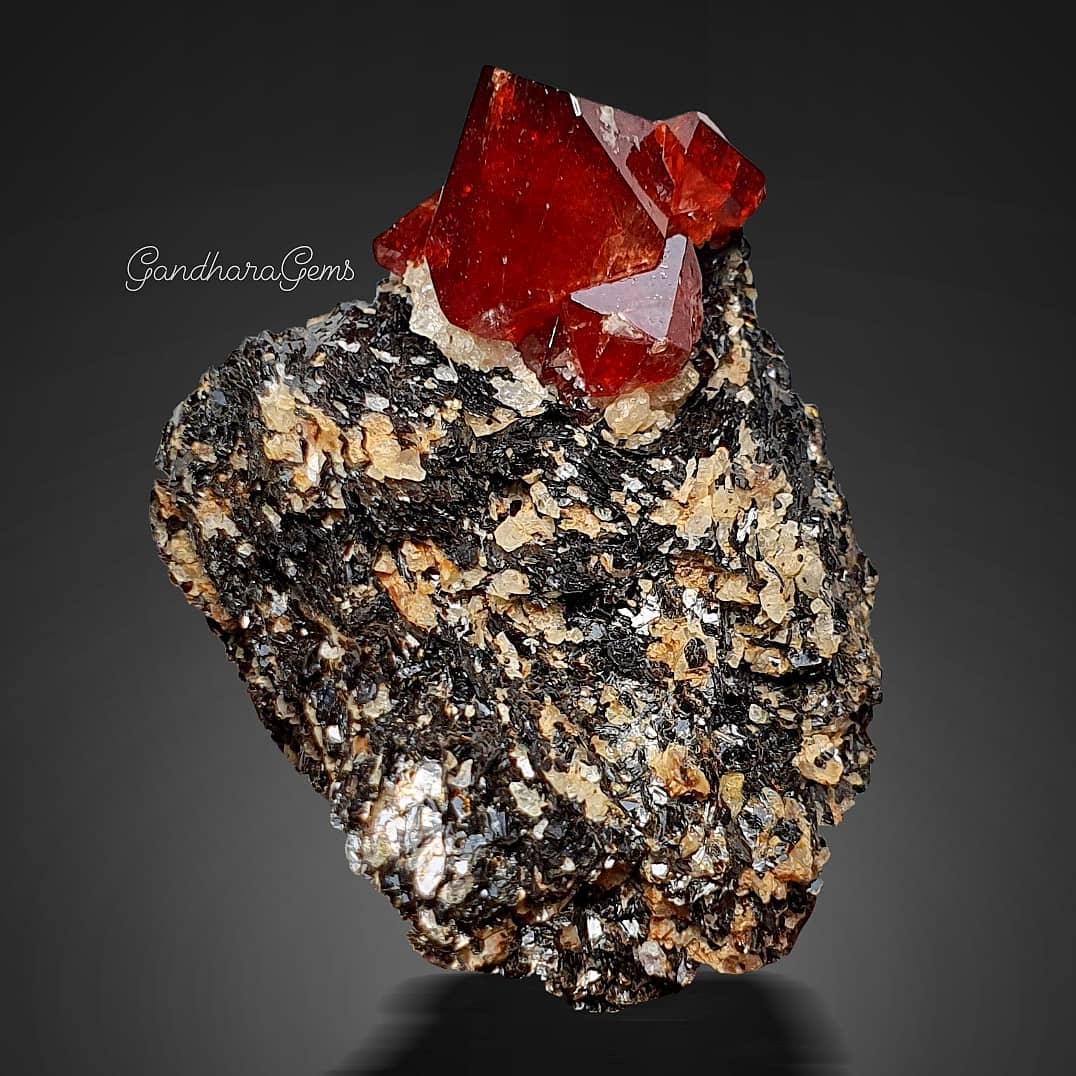
Zircon mineral specimens are best selected by comparing natural crystal form, color, luster, transparency, surface preservation, matrix relationship and physical dimensions rather than judging them by the brilliance standards associated with faceted zircon. Zircon is a natural zirconium silicate mineral with the chemical formula ZrSiO₄, and it is entirely different from cubic zirconia despite the similarity of the names. Natural crystals can appear brown, reddish brown, red, yellow, green or other tones, and well-developed specimens commonly preserve four-sided forms capped by pyramidal faces that make the mineral readily interesting to collectors.

Zircon Crystal For Sale, Price,

This distinction between specimen and gemstone is important because zircon becomes famous in jewelry for high refractive index, dispersion and strong double refraction, yet those optical effects are expressed differently in an uncut crystal. Buyers whose priority is a polished stone can compare zircon gemstones, where cut, brilliance, face-up color and carat weight become central. A mineral specimen instead preserves the external crystal structure, natural surfaces, inclusions and matrix relationships that cutting would permanently remove.

Zircon Crystal Form: Four-Sided Prisms and Pyramidal Terminations

Natural zircon crystallizes in the tetragonal system and commonly develops four-sided prismatic crystals combined with pyramidal faces. In well-formed examples, these geometries can create compact, strongly architectural specimens whose structure remains visible without any cutting or polishing.

The shape can vary from relatively elongated prisms to shorter, more equant crystals dominated by pyramidal faces. A crystal does not need ideal symmetry on every side to be collectible because natural contacts with host rock or neighboring minerals can prevent certain faces from developing freely. Those contact surfaces should be distinguished from fresh mechanical damage that breaks an existing edge or termination after growth.

Preservation of the focal crystal is particularly important. A modest specimen with clear tetragonal geometry and an intact pyramidal termination can reveal zircon's mineralogical character more effectively than a larger piece whose main edges have been heavily damaged. The most useful comparison therefore focuses on how clearly the natural crystal system remains visible and how well the specimen presents from its strongest viewing angle.

Zircon Color: Brown, Red, Yellow, Green and Other Natural Appearances

Zircon occurs naturally in a broad range of colors, including brown, reddish brown, yellow, red, green and colorless material. Brown and reddish-brown crystals are particularly familiar in natural specimens, while the blue zircon widely recognized in jewelry often results from heat treatment rather than representing the appearance of most untreated crystals.

Crystal thickness can significantly change color perception. A dark brown zircon may transmit warmer reddish or amber light around thin edges, while a smaller crystal can appear brighter than a larger specimen of similar composition simply because less material is being viewed along the light path. Surface luster and matrix contrast can further change the way color is perceived under ordinary display lighting.

For collectors, the relationship between color and natural form is more important than chasing a single commercially popular hue. The factors that influence zircon color are particularly relevant when comparing polished stones, while mineral specimen buyers should also consider whether the crystal preserves its natural geometry, surfaces and geological context.

Zircon Luster and Transparency: How Natural Crystals Handle Light

Zircon can display strong luster, and even dark natural crystals may reflect light sharply from well-preserved faces. Transparent or translucent areas can reveal internal color and inclusions, while opaque-looking specimens may depend more heavily on surface reflection and crystal form for their visual character.

A highly transparent crystal is not automatically superior. Mineral specimen quality encompasses morphology, preservation, inclusions, color and matrix, and some attractive zircons are valued primarily because their natural faces and pyramidal terminations are strongly defined. A slightly included or dark crystal with excellent form can therefore be more compelling than a clearer example with extensive edge damage.

The optical behavior that makes faceted zircon notably bright also stems from its distinctive physical properties. The relationship between zircon hardness, durability and refractive properties becomes especially useful when understanding why polished zircon behaves differently from the uncut crystal preserved in a mineral collection.

Zircon Inclusions and Structural Variation: Why Natural Crystals Are Not All Physically Identical

Natural zircon can contain inclusions and internal fractures, but the mineral also has an unusual structural history that can influence some of its physical properties. Trace radioactive elements can occur within zircon's crystal structure, and over extremely long geological periods their decay can damage that structure to varying degrees. Gemologists commonly describe zircon in high, intermediate and low structural states according to the extent of this change.

This process helps explain why zircon's reported hardness and some optical properties cover a wider range than might be expected for a single mineral species. Well-ordered high zircon retains the mineral's normal crystalline structure, while more structurally altered material can behave differently.

For specimen buyers, there is rarely a need to assign these categories visually. The practical point is that not every zircon crystal should be expected to show identical transparency, luster or physical behavior. A collector should judge the individual specimen by its observable form and condition rather than assuming that every crystal will match the properties of a faceted jewelry zircon.

Zircon Matrix Specimens: How Host Rock Adds Geological Context

Zircon crystals can occur embedded in or attached to matrix, and that relationship can add considerable geological interest. A small but sharply developed zircon positioned prominently on contrasting host rock may create a stronger specimen than a larger isolated crystal with limited surface preservation.

Matrix can also preserve associations with other minerals and show how zircon occurred in its natural environment. This becomes particularly valuable to collectors who organize specimens according to geological setting rather than simply collecting isolated crystals by species.

The stability of the host rock deserves close attention because zircon may be harder and denser than some of the minerals surrounding it. A crystal can remain intact while the matrix supporting it is fractured or friable, creating a vulnerable attachment point. Buyers should therefore examine whether the principal zircon appears securely embedded and whether the specimen can rest safely without placing pressure on projecting crystals.

The wider selection of mineral specimens and crystals provides useful context for comparing zircon's compact tetragonal geometry with the prismatic growth of tourmaline and aquamarine or the cubic structures of minerals such as fluorite.

Zircon Hardness and Brittleness: Why Collector Specimens Still Need Protection

Zircon's hardness varies with structural state, and GIA gives a Mohs range of approximately 6 to 7.5. This offers useful resistance to scratching in stronger crystalline material, but zircon can be brittle and exposed crystal edges can chip through impact.

A compact crystal may look robust because of its dense form, yet pyramidal terminations and sharp edges remain vulnerable when a specimen is dropped or allowed to strike another mineral. Existing fractures or structurally altered material can require even more conservative handling.

This distinction becomes particularly important when storing several specimens together. Zircon should not be allowed to move freely in a drawer where crystals can collide, and matrix pieces should be supported according to the strength of the complete specimen rather than the zircon alone. The practical recommendations under gemstone care provide a useful foundation, although natural mineral pieces often require more cautious handling than a polished gem protected within a jewelry setting.

Natural Zircon and Heat Treatment: Why Blue Color Needs Context

Heat treatment has an important role in the commercial zircon market, particularly in producing familiar blue and colorless appearances from certain naturally colored starting material. A blue zircon can still be natural in geological origin because the underlying crystal formed in nature, but its visible color may have been changed after mining.

For specimen collectors, this distinction is significant when natural crystal appearance and treatment history are part of the collecting goal. A rough or crystal-shaped surface does not automatically establish that a stone is untreated, especially when the color is associated with known enhancement practices.

Brown, red, yellow and green zircon can occur naturally, but color by itself does not prove an absence of treatment or establish locality. When reliable identity and disclosure are important, Gandhara Gems' authenticity guarantee provides relevant purchasing context, while formal gemological testing may be appropriate for specimens whose treatment history materially affects their value or scientific interest.

Zircon vs Cubic Zirconia: Similar Names but Completely Different Substances

Zircon is sometimes confused with cubic zirconia because the names sound similar, but the two are fundamentally different. Zircon is a naturally occurring zirconium silicate mineral with a long geological history, while cubic zirconia is manufactured zirconium dioxide used widely as a diamond simulant.

This distinction matters particularly on a mineral specimen page because natural zircon crystals have their own tetragonal growth, inclusions, chemistry and geological relationships. They should not be described or valued as though they were naturally occurring versions of cubic zirconia.

A genuine zircon specimen therefore represents a mineral species that has existed in Earth's crust for immense geological periods. Its appeal comes from that natural origin and crystal development rather than from any resemblance to a diamond substitute. Keeping the names clearly separated helps buyers evaluate zircon on its own mineralogical characteristics instead of through an unrelated jewelry comparison.

Zircon Crystal Size and Density: Why Small Specimens Can Feel Surprisingly Heavy

Zircon has relatively high specific gravity compared with many familiar gem minerals, so a compact crystal can feel heavier than its physical size suggests. This makes gross weight a particularly poor way to estimate visual scale when comparing specimens online.

Length, width and height provide more useful information about how the crystal will appear in a display case. A dense 20 mm zircon and a 20 mm quartz crystal can differ considerably in weight even though they occupy similar space, while matrix can introduce still more variation.

For collectors, this means a smaller zircon should not be dismissed simply because its weight or dimensions appear modest. If the piece preserves strong tetragonal form, attractive color and intact pyramidal faces, it may provide more mineralogical interest than a larger but poorly defined specimen.

Dimensions are also important for safe display. Compact dense crystals can damage more delicate specimens if allowed to roll or shift, so a stable base or secure storage position is desirable even when the zircon itself is relatively small.

Zircon as a December Birthstone and as a Mineral Specimen

Zircon is one of the gemstones associated with December, alongside tanzanite and turquoise. That tradition has made polished blue zircon familiar to jewelry buyers, but the mineral's natural crystal form reveals a different side of the same species.

The December birthstone tradition can add personal significance for someone collecting zircon, yet birthstone symbolism should remain separate from objective specimen quality. A natural brown or reddish zircon crystal does not become less mineralogically interesting because it differs from the bright blue faceted stones commonly seen in December jewelry.

For buyers who already own cut zircon, adding a natural crystal can create an informative comparison between geological form and finished gemstone appearance. The specimen preserves the crystal architecture and surface features, while the polished stone emphasizes refraction, dispersion and cutting craftsmanship.

Buying Zircon Mineral Specimens Online: What to Examine Before Ordering

A useful online comparison begins with the natural crystal shape and whether the four-sided prism or pyramidal faces remain clearly defined. Color, luster, transparency, inclusions and matrix should then be evaluated in relation to that form rather than as isolated characteristics. Multiple viewing angles are particularly valuable for identifying chipped terminations, contact faces and areas where the crystal enters matrix.

Dimensions deserve equal attention because close-up photographs can make small dense crystals appear much larger than they actually are. Buyers should check length, width and height and consider how the specimen will sit in the intended cabinet or display. For matrix pieces, the size of the focal zircon should be distinguished from the overall host-rock dimensions.

Natural specimens are individual objects rather than standardized products, so secure delivery is part of preserving what makes each piece distinctive. Gandhara Gems' shipping information is relevant when evaluating how a dense crystal or matrix specimen will be handled between purchase and arrival.

Zircon Mineral Specimen FAQs

What is the difference between zircon and cubic zirconia?

Zircon is a naturally occurring zirconium silicate mineral with the chemical formula ZrSiO₄, while cubic zirconia is manufactured zirconium dioxide. They differ in chemistry, crystal structure, geological origin and physical properties despite the similarity of their names. A natural zircon mineral specimen therefore represents an actual geological crystal, not a naturally occurring version of a synthetic diamond simulant.

What colors occur naturally in zircon mineral specimens?

Natural zircon can occur in brown, reddish brown, red, yellow, green and colorless appearances, with additional variations depending on composition and structural state. Crystal thickness can make darker material look nearly opaque through the center while thinner edges reveal warmer transmitted color. Blue is especially familiar in the jewelry trade, but much commercial blue zircon has been heat treated, so visible color should not automatically be interpreted as an untreated state.

Why does zircon hardness vary more than the hardness of many minerals?

Zircon can contain trace radioactive elements whose decay gradually disrupts its crystal structure over geological time. The extent of this structural alteration varies, producing high, intermediate and low zircon with somewhat different physical and optical properties. That is why published Mohs hardness values cover a range rather than one narrow number, and it also explains why individual specimens can differ in luster, transparency and physical behavior.

Is transparent zircon better than a dark or included specimen?

Transparency can make a zircon specimen visually attractive, especially when internal color and crystal structure remain easy to observe, but it is not the only measure of collector quality. A darker crystal with sharp tetragonal form, intact pyramidal faces and strong natural luster can be more compelling than a transparent crystal whose most important edges are broken. The useful comparison considers morphology, color, preservation, matrix and transparency together.

Are zircon crystals durable enough for mineral display?

Many zircon crystals have reasonable scratch resistance, but the mineral can be brittle and exposed edges may chip when struck. Structural state also affects some physical properties, so careful handling remains appropriate even for compact-looking specimens. A secure display position that prevents the crystal from rolling, falling or contacting neighboring minerals offers better protection than relying on the hardness number alone.

Does a natural blue zircon crystal mean the color is untreated?

Not necessarily. A zircon can be natural in geological origin while its color has been modified after mining, and heating is widely associated with producing blue zircon in the gem trade. Collectors who place importance on untreated natural color should therefore consider available disclosure or appropriate testing rather than assuming that a crystal-shaped or unpolished appearance establishes treatment history.

Choose Zircon Minerals by Crystal Geometry, Color and Preservation

Compare the current Zircon Minerals by tetragonal crystal form, pyramidal termination, natural color, luster, transparency, inclusions, matrix relationship and actual physical dimensions. A compact crystal with clearly defined faces may be an excellent choice for a systematic mineral collection, while a matrix specimen can provide additional geological context when the zircon is securely positioned and visually prominent. Rather than judging specimens by weight, blue color or transparency alone, choose the individual zircon whose preserved natural structure, condition and visual character best fit the collection you want to build.

Gemstone expert consultations available

Welcome to my shop! Contact Us

Recently Viewed Products
