


A Guide to Opalite, what you absolutely need to Know
Opalite is one of those stones that turns heads. It glows softly, often blue or pearly white, and it feels kind of magical to hold. But there’s more to know than just the look, especially if you collect crystals, sell them, or want to use them in your daily practice. This guide covers the essential facts, the ways people use Opalite, safety and care, how to tell it apart from natural opal, and what actual users say about it online. I did the research (crystal guides, gem references, community threads), so you can get the whole picture in one place.

Quick bottom line, up front
Opalite is usually a man-made, opalescent glass or resin, not a natural opal. People love it for its glow and for the mood it brings, and many crystal users treat it like any other healing stone. If you want a natural opal with play-of-color, Opalite is not that. For many collectors and crystal workers, Opalite’s beauty and accessibility are enough reason to use it.
Want to try Opalite? You can buy responsibly sourced Opalite from Gandhara Gems.
What Opalite actually is, and why that matters
Opalite is a trade name. Most commercially sold Opalite is man-made glass that has been treated so it looks opalescent, or it can be a resin that mimics the milky, blue-tinged look of natural opal. The result is a smooth, translucent piece that flashes blue, pink, or peach depending on the light. Because it is manufactured, it is usually cheaper and more consistent in appearance than natural opal. If someone calls a piece “natural Opalite,” pause and ask for a lab report or provenance, because true, naturally occurring “opalite” is extremely rare.
If you prefer a clear, lab-made Opalite with a steady glow, Gandhara Gems stocks quality pieces you can rely on.
Why people use Opalite, the common meanings and uses
Crystal sellers and users often tie Opalite to emotional balance, smooth transitions, and easing anxiety. The milky glow reads as lunar and calming, which is why people place it by the bedside, hold it during breath work, or wear it when they want a subtle mood lift. Because it is visually gentle, Opalite is popular in jewelry, ritual sets, and in beginner collections. Some modern crystal guides describe it as a “stone of serenity” that helps the wearer adapt to change.
If Opalite’s calming look appeals to you, Gandhara Gems carries polished Opalite beads and pendants that are perfect for everyday wear.

What real people say, short forum comments and opinions
People are honest about Opalite online, and the conversation is interesting. Some crystal communities shrug and call it pretty only, while others swear by the way it makes them feel. Here are a few real lines pulled from crystal and spiritual discussion threads:
-
“Opalite is really good for bringing in positivity and happiness.”
-
“If it’s helping you, trust that.”
-
“I like Opalite. It may not have metaphysical properties but it’s pretty and that resonates.
Those quotes show the range: some people treat Opalite like any other useful tool in their practice; others keep it because it simply makes them feel better. Both reactions are common and valid in the crystal world.
If you want a piece that people keep saying feels joyful and calm, find Opalite at Gandhara Gems.
How to use Opalite in practice (simple, practical ways)
Opalite is easy to work with and forgiving for beginners. Try these approachable methods:
-
Carry a small tumble in your pocket as a touchstone for calm during busy days.
-
Wear Opalite as a pendant near the throat to encourage smooth communication and a relaxed posture.
-
Place a small sphere or palm stone on a bedside table to set a tranquil mood for sleep.
-
Use Opalite in a simple meditation by holding it and breathing slowly for three to five minutes, focusing on feeling steadier.
Because Opalite is affordable and fairly durable compared with softer gems, people often use it in everyday pieces. If your practice needs a “soft, steady” stone, Opalite fits that role well.
Ready to add Opalite to your routine? Gandhara Gems offers carefully finished Opalite pieces, ideal for wearing or meditating with.

Care, cleaning, and safety, you should not skip
Opalite (glass or resin) is not as delicate as some natural stones, but it still needs common-sense care. Avoid extended exposure to hot water, strong chemicals, and direct, prolonged sunlight, which can damage surface treatment or fade color in some resins. If your Opalite is glass, quick rinses and a soft cloth are fine; if it is resin-based, keep it away from heat and solvents. Many sources recommend treating Opalite as water-safe for short cleaning, but not for making elixirs or soaking for long periods. When in doubt, wipe it clean and dry it right away.
To get Opalite that holds up to daily use, choose finished pieces from Gandhara Gems for reliable quality and care instructions.
Opalite and elixirs: a cautious word on ingestion and water use
Some crystal users like to make gem elixirs, but that practice needs careful stone-by-stone checks. Opalite is usually glass or resin, and while glass itself is neutral, resins or treated pieces may leach or degrade if soaked long-term. For safety, do not make drinking elixirs with Opalite unless the seller explicitly states the piece is safe for direct water contact. The safer option is the indirect method: place the stone in a sealed bag or a glass cup sitting above the water, rather than dropping it into the water itself. For overall safety, follow vendor guidance and avoid ingesting anything unless you are certain a piece is food-safe.
If you want Opalite for display or carrying, Gandhara Gems provides sealed, polished Opalite recommended for safe handling and daily wear.
How to tell Opalite from natural opal and other lookalikes
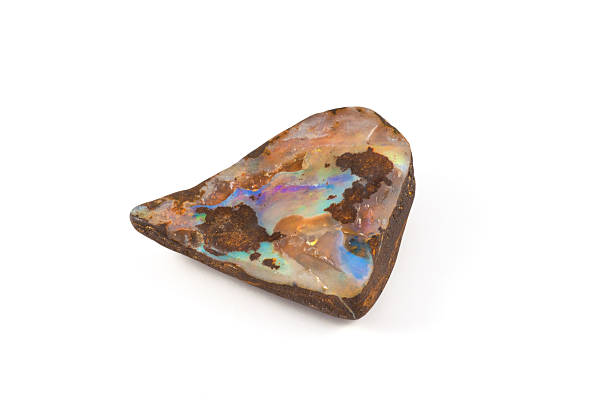
It helps to know what you’re buying. Natural opal shows play-of-color (that rainbow, shifting light), while Opalite usually shows a milky base with smooth blue or peach flashes that change with the light, not a true play-of-color. If the seller calls a stone “natural Opalite,” ask for details. Common lab-made synonyms include “sea opal,” “argenon,” and “opal moonstone,” but those names are often trade names for treated glass or resins. If provenance and natural origin matter to you, request a lab report or ask for a guarantee that the piece is natural
Want point-by-point help choosing a real opal or a quality Opalite piece? Gandhara Gems can show you options and explain the differences.
Value and where Opalite fits in a collection
Opalite is popular because it is attractive, affordable, and easy to use. It is not a substitute for precious opal if you want museum-grade rarity or investment value, but it often outshines pricier stones for everyday wearable pieces and for people who want a steady aesthetic. Many shops bundle Opalite with moonstone or labradorite as mood pieces. If you are building a beginner set, Opalite is a friendly, low-risk choice.
If you want Opalite that looks good and wears well, browse curated pieces at Gandhara Gems.
A clear health and safety reminder
Crystals, Opalite included, are not medical treatments. They can help you feel calmer, support rituals that reduce stress, and remind you to breathe and rest, but they cannot diagnose or treat health conditions. If you have a medical issue, see a health professional for testing and treatment. Use crystals as supportive companions, not substitutes for care. For any questions about safety with children, pets, or ingestion, consult a qualified source.
If you'd like an Opalite piece just for comfort and ritual, Gandhara Gems offers pieces with care guidance so you use them safely.

Final thoughts: why Opalite still matters
Opalite sits in a curious place between the lab and the spirit shelf. Scientists will point out it is made by people, not the Earth, and many collectors prize natural stones for their geology. Still, Opalite look, affordability, and emotional effect make it a useful tool for many people. If it helps you sleep better, speak more freely, or feel calmer, it is doing the work you want it to do. Use it kindly, care for it sensibly, and if you decide to buy one, choose a reliable source.
Ready to try Opalite? Shop polished Opalite stones, beads, and pendants at Gandhara Gems.


