


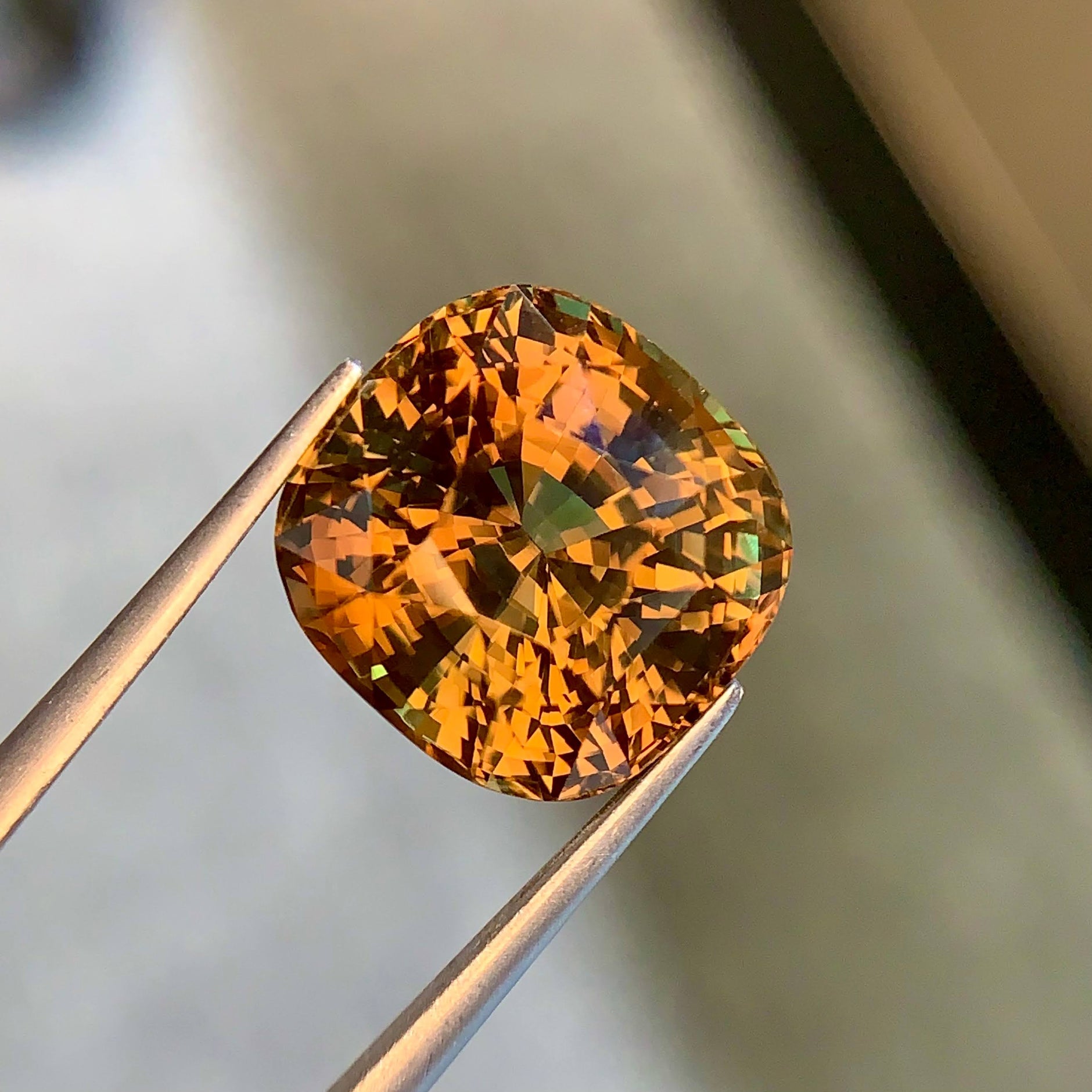


The Healing Crystals for Thyroid Problems
The healing crystals for thyroid problems most commonly discussed in contemporary gemstone traditions include amethyst, aquamarine, citrine, lapis lazuli, black tourmaline, peridot, and garnet. Each carries symbolic associations with calmness, communication, personal balance, optimism, renewal, or perseverance. Aquamarine and lapis lazuli are frequently connected with the throat chakra, while citrine and garnet are associated with vitality and strength. However, there is no reliable scientific evidence that these crystals regulate thyroid hormones, correct an underactive or overactive thyroid, treat thyroid inflammation, or prevent complications of thyroid disease. Their symbolic meanings should not be confused with clinical effectiveness.

The thyroid is a small, butterfly-shaped gland located at the front of the neck. It produces hormones that influence metabolism and many bodily functions, including heart rate, temperature regulation, and energy use. Hypothyroidism occurs when the thyroid produces insufficient hormones, while hyperthyroidism involves excessive thyroid hormone activity. Both conditions can affect daily life, but they differ in their causes, symptoms, and appropriate treatments. Proper diagnosis generally involves medical assessment and blood tests rather than interpreting physical symptoms through crystal colors or energy traditions.
Natural gemstones can still be appreciated by someone interested in thyroid-related crystal symbolism. A blue aquamarine pendant might have personal meaning because its color is traditionally associated with communication, while a purple amethyst or green peridot could be chosen for a birthday gift or gemstone collection. These choices are decorative and sentimental rather than therapeutic. Anyone purchasing gemstones should evaluate their mineral identity, transparency, color, cutting quality, hardness, treatment history, and intended jewelry setting. Those characteristics determine the gemstone's genuine qualities, regardless of the traditional beliefs attached to it.
Healing Crystals for Thyroid Problems at a Glance
| Gemstone | Traditional Symbolism | Gemstone Appearance | Mohs Hardness | Evidence for Thyroid Treatment |
|---|---|---|---|---|
| Amethyst | Calmness, reflection, thoughtful judgment | Lavender to deep-purple quartz | 7 | No established clinical benefit |
| Aquamarine | Communication, harmony, clarity | Transparent blue to greenish-blue beryl | 7.5–8 | No established clinical benefit |
| Citrine | Optimism, motivation, personal progress | Yellow to golden-orange quartz | 7 | No established clinical benefit |
| Lapis lazuli | Wisdom, expression, honesty | Opaque rich blue with possible pyrite inclusions | Approximately 5–6 | No established clinical benefit |
| Black tourmaline | Grounding, stability, protection | Opaque black tourmaline | 7–7.5 | No established clinical benefit |
| Peridot | Renewal, growth, positive change | Yellowish-green to vivid-green olivine | 6.5–7 | No established clinical benefit |
| Garnet | Commitment, endurance, perseverance | Red, purple, orange, green, and other colors | 6.5–7.5 | No established clinical benefit |
These stones differ substantially in mineral composition, optical properties, and jewelry suitability. None should be used to determine thyroid hormone levels or replace medication. Their traditional associations can provide cultural context for selecting decorative gemstones without suggesting that they possess measurable endocrine effects.
Understanding Thyroid Problems Before Exploring Crystal Traditions
The thyroid releases hormones, principally thyroxine (T4) and triiodothyronine (T3), that help regulate metabolic activity throughout the body. Thyroid function is controlled through a system involving the pituitary gland and thyroid-stimulating hormone, commonly known as TSH. When this system becomes disrupted, symptoms may develop gradually or more noticeably, depending on the underlying condition.
Hypothyroidism commonly produces tiredness, cold sensitivity, constipation, dry skin, and weight gain. Some people also experience changes in concentration, mood, or menstrual patterns. Hyperthyroidism may cause heat intolerance, palpitations, tremor, weight loss, anxiety, and difficulty sleeping. These symptoms can overlap with other illnesses, which is why medical testing is important.
Thyroid conditions may result from autoimmune diseases, inflammation, medication effects, previous treatment, and other causes. Hashimoto's thyroiditis is a common cause of hypothyroidism, while Graves' disease is an important cause of hyperthyroidism. Neither condition is caused by a failure to communicate emotions or an imbalance in gemstone-related energy.
Why Hypothyroidism and Hyperthyroidism Require Different Treatments
Hypothyroidism and hyperthyroidism have opposite patterns of thyroid hormone activity, so their treatments cannot be treated as interchangeable. Hypothyroidism is commonly managed with prescribed levothyroxine, which replaces thyroid hormone that the gland does not produce in sufficient amounts. Blood tests help determine whether the dose is appropriate.
Hyperthyroidism may require antithyroid medication, radioactive iodine treatment, surgery, or other interventions depending on its cause and severity. Some patients also receive medication to control symptoms such as an elevated heart rate while the underlying condition is being managed.
A gemstone cannot determine which treatment is necessary. A person experiencing fatigue, for example, may have hypothyroidism, another medical condition, a sleep problem, or a combination of contributing factors. The correct diagnosis depends on clinical findings rather than assumptions about the symbolic properties of amethyst, citrine, or garnet.
Amethyst: A Purple Gemstone Traditionally Associated With Calmness
Amethyst is the purple variety of quartz, composed of silicon dioxide with the formula SiO₂. Natural specimens range from delicate lavender to richly saturated violet and reddish-purple colors, making amethyst one of the most recognizable transparent colored gemstones used in jewelry.
Historical and contemporary traditions connect amethyst with restraint, reflection, calmness, and thoughtful decision-making. These meanings explain why it frequently appears in discussions about emotional strain or difficult personal circumstances. Someone managing a long-term health condition may appreciate a familiar purple gemstone because of its personal history or the reassurance associated with a meaningful gift.
However, amethyst has not been demonstrated to regulate the thyroid gland, treat anxiety caused by hyperthyroidism, or eliminate the fatigue associated with hypothyroidism. Its mineral properties do not establish an effect on thyroid hormone production, metabolism, or neurological symptoms. The gemstone's symbolic connection with calmness can be respected without interpreting it as a clinical treatment.
Choosing Amethyst by Purple Color and Cutting Quality
Fine amethyst is generally valued for appealing purple saturation, good transparency, attractive cutting proportions, and overall condition. Some specimens display distinct color zoning, where different regions of a crystal possess different purple intensities. A carefully oriented cut can emphasize the best color while limiting distracting unevenness.
Amethyst has a Mohs hardness of 7 and generally good toughness, making it suitable for pendants, earrings, and carefully worn rings. The material should still be protected against significant impacts, abrasive contact, and unnecessary exposure to intense heat.
For someone selecting an amethyst pendant, a well-cut oval or cushion stone may offer greater visual satisfaction than a heavier specimen with excessive windowing or unattractive darkness. The right choice depends on the recipient's preferred shade of purple and the appearance of the individual stone, not a claim that deeper color produces stronger calming effects.
Aquamarine: The Blue Gemstone Connected With Throat Chakra Symbolism
Aquamarine is the blue-to-greenish-blue variety of beryl, with the chemical formula Be₃Al₂Si₆O₁₈. Its natural coloration results primarily from iron within the crystal structure. Fine aquamarine often displays attractive transparency, which allows cutters to create oval, emerald, cushion, pear, and other faceted shapes.
Aquamarine's historical symbolism includes friendship, clear communication, harmony, and protection during travel. Modern spiritual traditions frequently connect blue gemstones with the throat chakra because of their color and symbolic association with expression.
The thyroid's location in the neck has encouraged claims that aquamarine can influence glandular activity when worn nearby. That reasoning is not supported by medical evidence. A pendant resting over the neck does not deliver thyroid hormone, correct hormone production, or change the immune processes involved in autoimmune thyroid disease.
Can Aquamarine Improve Thyroid Function?
There is no established clinical evidence that aquamarine treats hypothyroidism, hyperthyroidism, or thyroiditis. Its cool blue appearance does not translate into a physiological cooling effect on an inflamed gland, and its chemical composition does not create a therapeutic interaction with thyroid tissue.
The symbolic idea of improving communication may still be personally meaningful. Someone might select an aquamarine pendant to commemorate becoming more comfortable discussing a difficult experience or advocating for appropriate healthcare.
However, that meaning should remain separate from the medical condition. A person experiencing neck swelling, unexplained hoarseness, or difficulty swallowing should seek assessment rather than relying on the location of a blue gemstone.
Aquamarine Color, Clarity, and Treatments
Color is a major consideration when evaluating aquamarine. Very pale stones can look elegant, while more saturated blue examples may attract greater commercial interest. The preferred hue depends on the buyer's taste, although attractive transparency and effective cutting remain important.
Aquamarine has a Mohs hardness of approximately 7.5 to 8 and generally good toughness. It is suitable for many jewelry designs when mounted securely and protected from hard impacts.
Commercial aquamarine may undergo conventional heating to reduce greenish components and produce a more desirable blue appearance. Such treatment is generally stable when properly conducted, but natural origin and untreated status are separate characteristics.
The individual gemstone should be selected for its appealing color, cutting quality, and accurate description rather than an expectation that it will influence the thyroid.
Citrine: Golden Quartz and the Symbolism of Personal Energy
Citrine is the yellow-to-orange variety of quartz, with colors ranging from pale lemon yellow to warm gold and deeper orange. Its Mohs hardness of 7 and generally good toughness make it suitable for many types of jewelry when properly handled.
Modern gemstone traditions frequently associate citrine with motivation, optimism, confidence, and abundance. These interpretations explain its appearance in crystal discussions involving tiredness and reduced energy, symptoms that may occur with hypothyroidism.
However, a gemstone's warm color does not mean it can increase metabolic activity or replenish thyroid hormones. Citrine cannot correct an underactive thyroid, and it should not be described as an alternative to prescribed hormone replacement.
Citrine Is Not a Substitute for Thyroid Hormone Treatment
Hypothyroidism commonly requires appropriate medical management based on clinical assessment and laboratory findings. When levothyroxine is prescribed, the dose may need monitoring and adjustment through blood tests. A person's energy levels can also be influenced by other health conditions, even when thyroid function is being treated.
Using citrine as a personal symbol does not interfere with medical treatment when it remains an ordinary decorative object. Problems arise when a seller suggests that the gemstone can replace medication, normalize TSH levels, or correct a hormonal imbalance.
These claims are unsupported and could delay necessary treatment. A person experiencing ongoing fatigue should discuss persistent symptoms with a healthcare professional rather than assuming that a different crystal or more expensive gemstone will improve their condition.

Natural Citrine and Heat-Treated Quartz
Naturally yellow citrine exists, but much commercial citrine is produced by heating suitable amethyst or other quartz. This treatment can create attractive golden or orange colors, although the stone should not be described as untreated naturally colored citrine when its appearance has been modified.
Fine citrine often displays good transparency and can be fashioned into substantial faceted sizes. Its color, clarity, cutting proportions, and visible dimensions should be evaluated together.
A richly colored citrine may become a beautiful pendant for someone who appreciates warm gemstones. That decorative value is genuine without any connection to medical claims about hormone production.
Lapis Lazuli: A Historical Blue Stone Symbolizing Expression
Lapis lazuli is an ornamental rock composed of several minerals, commonly including lazurite, calcite, and pyrite. Its deep blue color has been valued in carved objects, decorative art, jewelry, and pigments for thousands of years.
Unlike transparent sapphire or aquamarine, lapis lazuli is generally opaque. It is commonly polished into cabochons, beads, and ornamental shapes that emphasize its blue body color and possible golden pyrite inclusions.
Its historical symbolism includes wisdom, truthfulness, communication, and thoughtful expression. These associations have contributed to its inclusion in modern throat chakra traditions, which sometimes extend their claims to thyroid function.
However, there is no clinical evidence that lapis lazuli modifies hormone production, reduces thyroid swelling, or corrects an autoimmune thyroid condition.
Lapis Lazuli and Thyroid-Related Voice Changes
An underactive thyroid can sometimes contribute to a hoarse or croaky voice. Thyroid enlargement and certain other neck conditions may also affect comfort or swallowing, depending on the underlying cause.
Such symptoms should not automatically be described as manifestations of unspoken emotions or a blocked throat chakra. A persistent voice change can have several medical causes, and appropriate investigation is more useful than attributing the symptom to a person's communication habits.
Lapis lazuli may remain personally meaningful to someone who values its symbolism, but wearing it over the neck does not establish an effect on vocal tissues or the thyroid gland.
Choosing Natural Lapis Lazuli
Fine lapis lazuli is generally admired for rich blue coloration, attractive polish, and an appealing balance of included minerals. Some specimens display fine golden-colored pyrite, while others contain more noticeable white calcite.
The preferred appearance depends on whether the buyer enjoys a relatively uniform blue surface or natural contrast from inclusions.
Lapis lazuli has a hardness of approximately 5 to 6, making it more susceptible to scratching than aquamarine or amethyst. Commercial material may also receive dyeing or impregnation to improve its appearance.
A buyer should therefore consider color, polish, structural condition, and treatment disclosures rather than interpreting a deep blue shade as evidence of stronger symbolic or healing properties.
Black Tourmaline: Grounding Symbolism and Thyroid Health Claims
Black tourmaline commonly refers to dark tourmaline, particularly schorl. It is recognized for its opaque black appearance and distinctive crystal forms. Natural specimens are often collected as mineral pieces, while polished material may be used in beads or ornamental jewelry.
Within contemporary crystal traditions, black tourmaline is associated with grounding, protection, stability, and the symbolic removal of unwanted influences. These meanings may appeal to someone seeking a personal reminder of steadiness during an uncertain period.
However, black tourmaline does not protect the thyroid against autoimmune disease, restore hormone levels, or treat anxiety through a demonstrated physiological effect. Its electrical and structural mineral properties do not establish the metaphysical protective mechanisms sometimes claimed in advertising.
Black Tourmaline Is Not a Treatment for Thyroid-Related Anxiety
Hyperthyroidism can cause anxiety, tremor, palpitations, and restlessness because excessive thyroid hormone affects multiple physiological systems. These symptoms should not automatically be attributed to negative energy or an emotional imbalance.
Black tourmaline may be visually appealing as a polished object or natural crystal, but holding it does not correct the hormonal cause of symptoms.
A person with persistent palpitations, unexplained weight loss, or marked restlessness should receive clinical evaluation, especially when these symptoms are new or worsening.
For gemstone buyers, the distinction between opaque black tourmaline and transparent colored tourmaline is also important. Pink, green, and blue tourmaline may be suitable for fine faceted jewelry, while black material is generally selected for a different ornamental appearance.
Peridot: A Green Gemstone Traditionally Associated With Renewal
Peridot is the transparent green gem variety of olivine, a magnesium-iron silicate commonly represented by the formula (Mg,Fe)₂SiO₄. Its natural colors range from yellowish green to lively grass green and deeper olive tones.
Historical symbolism connects peridot with renewal, positive change, protection, and prosperity. Contemporary crystal traditions have extended these associations to emotional release and bodily cleansing.
However, peridot does not remove thyroid-related toxins, improve liver function, normalize hormone production, or treat autoimmune inflammation through a clinically demonstrated mechanism.
Choosing Green Peridot for Jewelry
Fine peridot is generally valued for pleasing green saturation, good transparency, and cutting proportions that return light effectively. Some stones display brownish secondary colors that may influence desirability, while others contain distinctive natural inclusions.
Peridot has a Mohs hardness of approximately 6.5 to 7, making it more vulnerable to scratches than aquamarine or sapphire. It may also be sensitive to sudden temperature changes.
A pendant or pair of earrings may be especially practical for someone who appreciates the gemstone's green appearance because these designs generally experience less direct physical contact than rings.
For a gift celebrating an important personal milestone, the stone's color and quality can provide meaning without any suggestion that it changes thyroid function.
Garnet: Traditional Associations With Perseverance and Strength
Garnet is a group of related silicate minerals occurring in numerous colors. Deep-red varieties are especially familiar, although rhodolite can display raspberry and purplish-red hues, while tsavorite and demantoid provide attractive green alternatives.
Historical gemstone traditions associate garnet with friendship, commitment, endurance, protection, and loyalty. These interpretations may appeal to someone who wants a personal symbol of perseverance while managing a demanding life experience.
However, garnet does not correct low thyroid hormone levels, improve blood oxygen delivery, or reverse thyroid-related weakness. Its color and mineral composition do not establish those medical effects.
Garnet Color, Clarity, and Suitability for Jewelry
A fine red garnet should display attractive saturation without becoming so dark that its color is difficult to see under ordinary lighting. Some varieties are naturally available with relatively clean transparency, while others may contain inclusions that influence appearance or structural condition.
The garnet group's Mohs hardness varies approximately from 6.5 to 7.5, depending on the species. Many garnets are suitable for pendants, earrings, and carefully worn rings when the gemstone is sound and the mounting is appropriate.
Buyers should distinguish the different garnet varieties rather than assuming all red or green stones have identical commercial value. A well-cut rhodolite and a fine tsavorite may offer entirely different appearances and pricing characteristics.
The meaningful reason to choose garnet can be its color, personal association, or connection with an important occasion. It does not need a claimed hormonal benefit to become a valued piece of jewelry.
Do Crystals Affect Thyroid Hormones or the Immune System?
No reliable clinical evidence demonstrates that gemstones alter TSH, T3, or T4 levels, regulate thyroid hormone production, or treat autoimmune thyroid disorders. Their measurable properties include chemical composition, crystal structure, refractive index, hardness, and optical behavior, not a medically established capacity to control endocrine activity.
Some crystal traditions describe placing stones over the throat or keeping them close to the gland. However, proximity to the thyroid does not create a demonstrated physiological interaction capable of correcting hormone levels.
The symbolic language of blocked expression or negative energy should not be used to explain a diagnosed thyroid condition. Autoimmune disease, thyroid inflammation, and hormonal abnormalities involve biological mechanisms that require appropriate medical evaluation.
A person can still participate in personally meaningful reflective practices, such as journaling or wearing a favorite gemstone, without confusing these activities with medical treatment.
Evidence-Based Thyroid Testing and Management
A healthcare professional may assess thyroid function using blood tests that measure TSH and free T4, with additional testing considered according to symptoms and the suspected disorder. The interpretation depends on the clinical context, including previous treatment, medications, pregnancy, and other relevant factors.
For hypothyroidism, levothyroxine is commonly prescribed to replace the hormone the body is not producing in sufficient amounts. Regular monitoring helps establish whether the dose is suitable.
For hyperthyroidism, treatment may include medication that reduces hormone production, radioactive iodine, or surgery. The appropriate option depends on the underlying cause, severity, and individual circumstances.
Lifestyle habits can support general wellbeing, but they cannot replace necessary thyroid treatment. Supplements marketed as thyroid boosters should also be approached cautiously because excessive iodine or other ingredients can be inappropriate for certain thyroid conditions.
Important Warning for People Taking Antithyroid Medication
People taking antithyroid medication such as carbimazole should understand the possibility of rare but serious adverse effects. Fever, sore throat, mouth ulcers, severe tiredness, or flu-like symptoms can be signs of a dangerously low white blood cell count.
Someone taking carbimazole who develops these symptoms should stop the medicine and seek urgent medical advice in accordance with the instructions provided for the medication. The symptoms should not be dismissed as ordinary throat discomfort or managed through crystals.
This warning illustrates why medical context matters. A sore throat in someone receiving a particular thyroid treatment may carry different implications from an ordinary mild respiratory infection.
A gemstone cannot distinguish these circumstances, so seeking appropriate clinical guidance is essential.
Choosing Natural Gemstones for a Personal Gift
A gemstone gift can commemorate a meaningful occasion without being presented as a treatment. A pale-blue aquamarine may suit a recipient who appreciates transparent, understated jewelry, while a saturated purple amethyst offers a richer color.
Peridot and certain garnets provide green alternatives, while citrine offers a warm golden appearance. These colors can guide a gift more naturally than claims about balancing thyroid function.
The intended jewelry should influence the choice. A pendant may accommodate a larger faceted stone, while a ring generally requires greater attention to hardness, structural condition, and setting protection.
What to Examine Before Buying a Faceted Gemstone
Transparent colored gemstones are commonly evaluated according to hue, tone, saturation, clarity, cut, and carat weight. The preferred balance varies between mineral species, but a pleasing face-up appearance should remain the central consideration.
Windowing can make a stone appear pale or transparent in certain areas, while excessive extinction creates unattractive darkness. A well-cut gemstone should return light effectively without compromising its natural color.
Carat weight measures mass rather than visible size. Different gemstone densities and cutting proportions can produce different dimensions at the same weight, making millimeter measurements important for custom settings.
When selecting a colored stone for a ring or pendant, you can buy loose faceted gemstones on Gandhara Gems and choose material according to the individual gemstone's color, cutting proportions, clarity, and measurements. Its physical condition should be suitable for the intended design, regardless of any symbolic association.
Natural Gemstone Identity and Treatment Disclosure
A gemstone described as natural may have undergone treatment after mining. Aquamarine and certain quartz varieties are commonly encountered with color-related enhancements, while some lapis lazuli receives dyeing or impregnation.
Natural origin, untreated status, and geographic source are separate claims. Color or appearance alone cannot conclusively establish them.
For an important purchase, accurate product information and relevant documentation are more valuable than promotional language suggesting a gemstone possesses exceptional medical or spiritual power.
Information associated with gemstone authenticity assurances may support a buying decision, but a report identifying a natural mineral does not establish therapeutic effectiveness.
The purpose of such information is to clarify what material the buyer is purchasing, not to demonstrate an influence on the endocrine system.
Gemstone Value and Practical Buying Considerations
The seven gemstones associated with thyroid-related crystal traditions occupy different commercial categories. Fine aquamarine can attract interest for its blue saturation and clean transparency, while amethyst and citrine are generally available in a range of commercial sizes.
Certain garnet varieties may command substantial premiums because of unusual colors, rarity, or exceptional quality. Peridot value depends on attractive green saturation, transparency, cut, and size.
Lapis lazuli and black tourmaline are generally assessed using ornamental or mineral-specimen characteristics rather than the same standards applied to transparent faceted stones.
A higher carat weight does not establish better value when the stone's color is weak, its cutting creates excessive windowing, or its structural condition is poor.
No gemstone should carry a medical premium because it is marketed as supporting thyroid balance. The appropriate price reflects the actual material, its visible quality, treatments, available documentation, and commercial circumstances.
How to Care for These Natural Gemstones
Cleaning methods should reflect the material's physical properties. Amethyst, aquamarine, citrine, and many garnets can generally be cleaned gently with mild soap and water when their structural condition and treatments permit.
Peridot should be protected from sudden temperature changes, while lapis lazuli may need more conservative cleaning because of its lower hardness and possible surface treatments.
Black tourmaline can be cleaned according to its specific condition and form, but a rough specimen should not automatically be handled in the same way as a polished faceted gemstone.
Separate padded storage helps prevent harder materials from scratching softer polished stones. Jewelry should also be inspected for loose settings when worn frequently.
Appropriate gemstone care and cleaning preserves the gemstone's appearance and structural condition. It does not activate a medically effective energy or create a treatment for thyroid disease.

Conclusion
Amethyst, aquamarine, citrine, lapis lazuli, black tourmaline, peridot, and garnet have different cultural associations with reflection, communication, personal strength, and renewal. Their visual appeal and history can make them meaningful jewelry choices, but none can regulate thyroid hormones or replace proper medical treatment. Thyroid conditions require evaluation according to their actual biological causes, while gemstone symbolism should remain a matter of personal interpretation.
A personal gift related to an important life experience deserves consideration beyond its symbolic label. A beautifully proportioned aquamarine could suit someone who appreciates pale-blue jewelry, while a rich purple amethyst or vivid green peridot might better reflect another recipient's taste. For a design built around an individual colored stone, you can buy natural gemstones on Gandhara Gems and select a faceted gem that complements the intended metal, mounting, and personal style. Its significance should come from the occasion and the quality of the piece, never from a promise that it changes thyroid function.
Frequently Asked Questions About Healing Crystals for Thyroid Problems
Can healing crystals treat hypothyroidism or hyperthyroidism?
No. There is no reliable scientific evidence that gemstones treat hypothyroidism, hyperthyroidism, or other thyroid disorders. These conditions involve abnormal thyroid hormone activity and require diagnosis based on clinical findings and appropriate laboratory tests. Hypothyroidism is commonly managed through thyroid hormone replacement, while hyperthyroidism may require antithyroid medication, radioactive iodine, or surgery. Amethyst, aquamarine, citrine, and other crystals can have personal or cultural meaning, but their mineral properties do not demonstrate an ability to correct hormone levels. They should not replace prescribed treatment or recommended monitoring.
Is aquamarine a healing stone for the thyroid gland?
Aquamarine is traditionally associated with communication and the symbolic throat chakra, partly because of its blue color and historical meanings. However, these associations do not establish a medically effective relationship with the thyroid gland. Aquamarine is a variety of beryl with attractive blue-to-greenish-blue color and a Mohs hardness of approximately 7.5 to 8. Its optical and physical properties make it suitable for certain jewelry designs, but wearing it near the neck has not been shown to reduce thyroid inflammation or improve hormone production. A person may enjoy aquamarine as jewelry without expecting a clinical benefit.
Does amethyst help thyroid-related anxiety?
Amethyst has symbolic associations with calmness and reflection, but it has not been clinically demonstrated to treat anxiety related to an overactive thyroid. Hyperthyroidism can produce restlessness, tremors, palpitations, and other symptoms because of excessive thyroid hormone activity. These symptoms may improve when the underlying condition receives appropriate treatment. A person may find a familiar gemstone sentimentally reassuring, but that experience should not be confused with the mineral correcting thyroid function. Persistent or worsening anxiety accompanied by physical symptoms deserves medical assessment rather than exclusive reliance on crystal practices.
Can citrine restore energy when thyroid levels are low?
No reliable evidence demonstrates that citrine restores energy by changing thyroid hormone levels or metabolic activity. Citrine is a yellow-to-orange variety of quartz, often appreciated for its transparent faceted appearance and traditional symbolism involving optimism. Fatigue associated with hypothyroidism may require prescribed hormone replacement and monitoring, while other causes of tiredness may need separate assessment. A golden citrine may serve as a personal reminder of a meaningful goal, but it cannot supply missing thyroid hormones or replace medical treatment. Persistent fatigue should be discussed with a healthcare professional.
Is it safe to place crystals directly against a swollen thyroid?
Placing crystals directly against a swollen or painful neck is not an established treatment and may create unnecessary pressure or discomfort. A thyroid enlargement, neck lump, persistent hoarseness, or difficulty swallowing should be medically assessed because these symptoms can have different causes. Some mineral specimens are rough or sharp, and tightly attaching a stone to the neck is not a safe substitute for clinical care. A comfortable gemstone pendant can be worn as ordinary jewelry when appropriate, but the stone's position should not be interpreted as a way to influence thyroid tissue.
How do doctors check whether the thyroid is functioning normally?
Thyroid assessment commonly begins with a review of symptoms and medical history, followed by suitable blood tests. Thyroid-stimulating hormone, or TSH, and free thyroxine, or free T4, are frequently used to assess function, with additional tests depending on the suspected condition. A clinician may also examine the neck and consider other investigations when swelling or nodules are present. The findings need to be interpreted in context because fatigue, weight changes, or palpitations can have several causes. A gemstone's color or traditional symbolism cannot provide reliable information about hormone levels.
Why is a sore throat important when taking carbimazole?
Carbimazole can rarely cause a serious reduction in white blood cells. Symptoms such as fever, sore throat, mouth ulcers, severe tiredness, or flu-like illness may signal this complication. NHS guidance advises people taking carbimazole to stop the medicine and seek urgent medical advice if these symptoms occur. This is different from assuming that every sore throat reflects an ordinary viral infection. A person should follow the specific safety instructions provided with their medication and seek immediate professional guidance when warning signs appear. Crystals cannot identify or prevent this medication-related complication.
Can natural gemstones make meaningful gifts for people with thyroid conditions?
Yes. A natural gemstone can be meaningful as a birthday gift, personal keepsake, or piece of jewelry chosen for its color and craftsmanship. Amethyst provides purple coloration, aquamarine offers pale-to-deeper blue, peridot is green, and garnet includes red and other colors. The recipient's preferences, intended setting, gemstone quality, and treatment information should guide the choice. The gift should not be presented as a substitute for medication or a method of balancing hormones. Its sentimental value comes from the personal connection and the care taken in selecting an attractive stone.
Does a gemological certificate prove that a crystal supports thyroid health?
No. A gemological certificate may identify a gemstone's mineral species, natural or laboratory-grown origin, and certain detectable treatments. Depending on the testing performed, it may include additional information about gemstone characteristics. Such documentation does not establish that the stone regulates hormones, changes immune activity, or treats thyroid disease. Claims about medical effectiveness require suitable clinical evidence, which is not established for gemstone therapy in this context. Buyers should distinguish the authenticity of a natural mineral from unsupported claims that it has a particular effect on the endocrine system.


