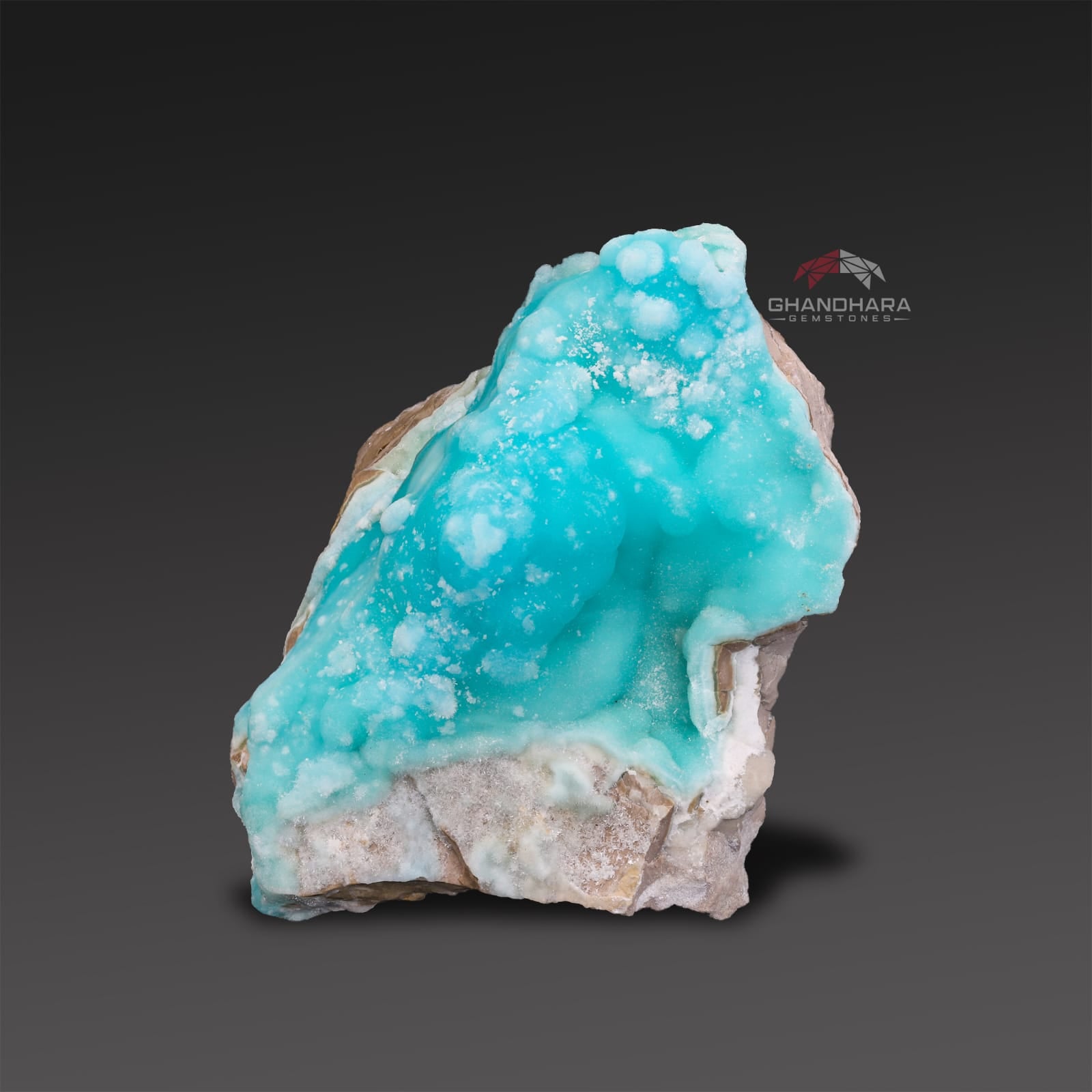
Aragonite Minerals

Aragonite minerals are best selected by comparing natural crystal habit, cyclic twinning, color, radiating growth, luster, matrix association, dimensions and visible preservation rather than by choosing the largest cluster or brightest-colored specimen automatically. Aragonite is calcium carbonate, CaCO₃, and shares its chemistry with calcite while crystallizing in a different structure. Aragonite belongs to the orthorhombic system and can form prismatic, acicular, columnar, fibrous, radiating and pseudohexagonal twinned specimens, giving collectors a remarkably wide range of natural forms within one mineral species.

Aragonite Mineral For Sale, Price,

That structural diversity makes aragonite particularly useful in a mineral collection because two specimens can look completely different while still being the same species. One piece may consist of long needle-like crystals radiating outward from a central point, while another may show stout cyclic twins that appear almost hexagonal even though the underlying crystal system is orthorhombic. Buyers comparing aragonite with other mineral specimens and crystals should therefore evaluate the individual growth pattern, preservation and matrix relationship rather than expecting every aragonite specimen to follow one standard appearance.

Aragonite Crystal Form: Prismatic, Acicular and Radiating Growth

Aragonite can form short or long prismatic crystals, fine acicular needles, tabular pieces, columnar masses and striking radiating aggregates. These habits create very different collector experiences, and the strongest specimen depends on whether the buyer values one clearly readable crystal, a complex cluster or a sculptural radiating form.

Long needles can create dramatic visual movement because dozens of crystals may project outward in several directions, but those same structures can be fragile. A compact prismatic specimen may be easier to handle while still preserving clear orthorhombic faces and terminations.

Natural variation should not be mistaken for damage. Aragonite growth can be irregular, intergrown or partly embedded within matrix, and some crystals may never have developed complete free faces. Fresh breakage becomes more significant when it removes a prominent tip, interrupts a major crystal or destroys the symmetry of a focal twin.

Aragonite Twinning: Why Pseudohexagonal Crystals Can Be Misleading

Cyclic twinning is one of aragonite's most recognizable mineralogical features. Several orthorhombic crystal individuals can intergrow in a repeated pattern that produces an overall pseudohexagonal appearance, making the specimen look almost six-sided even though aragonite itself does not crystallize in the hexagonal system.

These twins can be compact and highly geometric, particularly in specimens where the individual components remain sharply defined. Fine striations may also occur where repeated twinning creates closely spaced structural relationships along the crystal.

For collectors, the quality of a twinned specimen depends on how clearly the combined structure is preserved. An intact pseudohexagonal aggregate can offer considerable mineralogical interest because it demonstrates how twinning changes visible symmetry, while a heavily broken example may lose much of that educational and aesthetic value.

Aragonite Color: White, Cream, Honey, Blue and Reddish Specimens

Pure aragonite can be colorless or white, but natural specimens often display additional colors because of impurities, inclusions, coatings or associated minerals. Cream, honey, yellowish, reddish, brownish, gray, blue, green and violet tones can occur, creating substantial variety among collector pieces.

Color should be considered alongside form rather than used as a standalone grade. A pale white specimen with exceptional cyclic twinning may be far more interesting than a brightly colored piece whose crystal structure is poorly preserved. Similarly, a radiating cream-colored cluster can offer stronger visual balance than a darker specimen with extensive broken needles.

Thickness and lighting can change the appearance considerably. Transparent or translucent edges may look lighter than the center of the crystal, while dense aggregates can appear more saturated because several crystal layers overlap.

Aragonite vs Calcite: Same CaCO₃ Chemistry, Different Crystal Structures

Aragonite and calcite are both calcium carbonate, CaCO₃, yet they are distinct polymorphs because their atoms are arranged differently. Aragonite is orthorhombic, while calcite is trigonal, and that structural difference leads to different crystal habits, densities and hardness values.

Aragonite is typically around Mohs 3.5 to 4, slightly harder than calcite at Mohs 3. Their crystal forms also differ substantially, although fine-grained or irregular specimens can still be difficult to distinguish visually.

Collectors can compare aragonite directly with calcite minerals to see how strongly structural arrangement influences appearance despite identical chemical composition. This is one of the clearest examples of why formula alone cannot describe the complete identity or collector character of a mineral.

Aragonite Radiating Clusters: Evaluating Needles, Symmetry and Breakage

Radiating aragonite can form star-like, spherical or spray-like clusters in which many acicular crystals extend outward from a common center. These pieces can be particularly sculptural because the specimen's appearance depends on the combined direction and spacing of dozens or hundreds of crystals rather than on one dominant individual.

Condition is especially important with these aggregates because exposed needles are vulnerable to breakage. A cluster can still be attractive when some minor peripheral crystals are incomplete, but extensive damage across the focal surface can alter the overall symmetry and texture.

Buyers should examine whether the specimen has a stable resting position and whether delicate projections extend below or behind the main body where they could be damaged during display. A well-preserved smaller cluster can offer greater long-term satisfaction than a large specimen whose needles are already structurally compromised.

Aragonite Luster and Transparency: Why Surface Quality Changes the Specimen

Aragonite commonly shows vitreous to resinous luster, and intact crystal faces can catch light clearly enough to make even pale specimens visually dynamic. Transparent and translucent examples can reveal internal growth and color variations, while dense fibrous or columnar material relies more heavily on surface texture and form.

Clarity should not be treated as a universal measure of mineral specimen quality. A transparent prismatic crystal and an opaque radiating aggregate preserve entirely different features, and each can be desirable when the morphology and condition are strong.

Surface preservation remains important because aragonite is relatively soft. Scratches, abrasion and damaged tips can become noticeable on exposed crystals, particularly where luster originally emphasized the natural faces.

Aragonite Hardness and Fragility: Why Mineral Specimens Need Gentle Handling

Aragonite has Mohs hardness around 3.5 to 4, making it softer than quartz, beryl and many other familiar collector minerals. This means exposed surfaces can scratch when rubbed against harder specimens, while fine needles and projecting crystal groups can break under relatively modest impact.

The mineral should therefore be stored separately from harder pieces and handled from a stable base rather than by individual crystals. Dense-looking clusters can still contain fragile acicular growth, and matrix specimens may introduce additional structural weaknesses.

The practical guidance under gemstone care provides a useful foundation for careful handling. Aragonite specimens deserve conservative cleaning because aggressive brushing or vibration can damage delicate projections even when the main body appears solid.

Aragonite Stability and Its Relationship With Calcite

Aragonite and calcite represent different structural forms of the same CaCO₃ composition, and calcite is the more stable form under many ordinary surface conditions over geological timescales. Aragonite can therefore transform into calcite under appropriate conditions, although a collector should not expect a well-preserved cabinet specimen to change visibly during normal ownership simply because that relationship exists.

Heat and chemical exposure deserve more practical concern. Carbonate minerals can react with acids, and elevated temperatures can alter or damage natural specimens. This is another reason harsh household cleaning products should be avoided.

Collectors should preserve aragonite as the mineral it is rather than testing reactions destructively on an attractive specimen. Reliable identification and careful documentation provide more value than performing diagnostic tests that permanently mark natural surfaces.

Aragonite in Biological Structures: Mineralogy Beyond Rock Specimens

Aragonite is not limited to geological veins and cavities. It is also an important biomineral and occurs in the hard structures of many marine organisms, including portions of mollusk shells and coral skeletons. This biological occurrence demonstrates how the same calcium carbonate composition can be organized into aragonite under both geological and biological conditions.

For mineral collectors, that context is scientifically interesting but should remain separate from the evaluation of a natural crystal specimen. A radiating mineral cluster, a shell structure and a pseudohexagonal twin may all involve aragonite, yet they represent different formation environments and should not be judged according to the same aesthetic standards.

The collection page remains centered on mineral specimens, where natural crystal morphology, matrix, preservation and provenance are the main buying considerations.

Aragonite Authenticity and Identification: Why Crystal Habit Is Helpful but Not Absolute

Aragonite can resemble calcite and other pale carbonate minerals, especially when crystals are small, fibrous or irregular. Pseudohexagonal cyclic twinning and acicular growth can provide useful identification clues, but appearance alone should not always be treated as definitive.

Hardness, density, crystallography and other mineralogical tests can help distinguish aragonite from similar species. Valuable specimens should not be subjected casually to destructive testing, especially when reliable documentation or analytical identification is available.

Gandhara Gems' authenticity guarantee provides relevant purchasing context where mineral identity matters. Collectors should also preserve locality and specimen information because those records can help maintain the scientific context of a piece long after the original purchase.

Aragonite Dimensions and Display Planning: Why Cluster Shape Matters More Than Weight

Aragonite's diverse habits make physical dimensions especially important. A broad radiating cluster can occupy substantial shelf space while remaining relatively lightweight, whereas a compact pseudohexagonal twin may feel denser without creating the same visual footprint.

Length, width and height therefore tell a buyer far more about display requirements than weight alone. Fine needles can also extend beyond the apparent body of the specimen, requiring extra clearance from neighboring minerals.

Close-up photographs should be interpreted alongside measurements because delicate crystal details can make a small piece appear much larger on screen. Understanding the true scale before purchase helps determine whether the specimen belongs in a thumbnail tray, cabinet shelf or larger display.

Buying Aragonite Minerals Online: Compare Form, Twinning and Preservation Together

A useful online comparison begins with the specimen's growth habit, whether prismatic, acicular, radiating, twinned or columnar, then considers color, luster, matrix, dimensions and visible condition. Several viewing angles are particularly helpful because delicate needle breakage or an unstable base may be hidden from the strongest display side.

Collectors should decide what aspect of aragonite interests them most. A pseudohexagonal twin emphasizes crystallography, while a radiating cluster creates a more sculptural display and a matrix specimen can preserve geological associations. None of these types is automatically superior because they satisfy different collecting goals.

Gandhara Gems' shipping information provides the practical delivery framework for delicate mineral pieces, while the return policy explains the applicable conditions for assessing scale, condition and display character once the specimen arrives.

Aragonite Mineral FAQs

What makes a good aragonite mineral specimen?

A strong aragonite specimen preserves the natural growth feature that makes the piece distinctive, whether that is sharp prismatic form, cyclic twinning, a balanced radiating cluster or an attractive matrix association. Color and size can add visual impact, but they should not replace condition because broken needles or damaged focal twins can remove much of the specimen's mineralogical character. A smaller piece with intact geometry can therefore be more rewarding than a larger but heavily compromised example.

Why can aragonite crystals look hexagonal if the mineral is orthorhombic?

Aragonite commonly forms cyclic twins in which several orthorhombic crystal individuals intergrow at specific orientations. The resulting aggregate can mimic six-sided symmetry and appear pseudohexagonal even though each component belongs to the orthorhombic crystal system. This is an excellent example of how twinning can change the outward appearance of a mineral without changing its underlying crystallographic identity.

Is aragonite the same mineral as calcite?

Aragonite and calcite share the same chemical formula, CaCO₃, but they are separate mineral species because they have different crystal structures. Aragonite is orthorhombic and generally slightly harder and denser, while calcite is trigonal and commonly develops very different crystal forms. Their relationship is a classic example of polymorphism, where identical chemistry produces different minerals because the atoms are arranged differently.

How fragile are aragonite clusters?

Aragonite itself is relatively soft at Mohs 3.5 to 4, and many specimens consist of thin projecting needles that can break much more easily than a compact hardness number suggests. Radiating clusters should be handled from a solid base and positioned so neighboring specimens cannot touch the exposed crystals. Gentle storage and minimal unnecessary handling are especially important when the visual appeal depends on dozens of delicate intact projections.

Does aragonite occur only in mineral veins and caves?

No. Aragonite occurs in several geological environments and also forms biologically in the hard structures of many marine organisms, including parts of mollusk shells and coral skeletons. These occurrences reflect different formation processes but involve the same calcium carbonate mineral structure. A collector specimen should still be evaluated according to its own crystal form, matrix, provenance and condition rather than according to the biological uses of the mineral.

Can I distinguish aragonite from calcite just by color?

Color is not a reliable way to separate them because both minerals can be colorless, white or tinted by impurities and associated minerals. Crystal morphology, hardness, density and crystallographic behavior provide much better evidence, although some small or irregular specimens can still require more careful identification. Buyers should therefore rely on accurate mineral labeling rather than assuming every white or honey-colored carbonate crystal is one species or the other.

Choose Aragonite Minerals by Crystal Habit, Twinning and Preservation

Compare the current Aragonite Minerals by orthorhombic crystal development, cyclic twinning, radiating growth, color, luster, matrix relationship, actual dimensions and visible condition. Give particular attention to intact twin forms and delicate needle clusters because these features carry much of the mineral's collector character and are difficult to restore once damaged. Choose the individual aragonite whose natural morphology, preservation and display proportions best fit your mineral collection rather than relying on color, weight or maximum size alone.

Gemstone expert consultations available

Welcome to my shop! Contact Us

Recently Viewed Products
