

-
4.61 carats Greenish Blue Tourmaline Cushion Cut Natural Afghani Gemstone - greenish_blue
In a breathtaking display of nature's artistry, a 4.61 carat Greenish Blue Tourmaline takes center stage, showcasing a magnificent Fancy Cushion Cut that accentuates its inherent beauty. Hailing from the gem-rich mines of Afghanistan, this natural gemstone boasts a captivating blend of green and...- $605.00
- $605.00
- Unit price
- per
-
greenish_blue
-
2.67 carats Lavender spinel Stone Cushion Cut Natural Tanzanian Gemstone - Purple
The exquisite Lavender Spinel stone, boasting a weight of 2.67 carats, captivates with its Cushion Cut, showcasing the perfect blend of elegance and sophistication. Mined from the rich gemstone deposits of Tanzania, this natural beauty exhibits a mesmerizing lavender hue that exudes a sense...- $2,535.00
$375.00- $2,535.00
- Unit price
- per
-
Purple
-
2.76 carats Lavender spinel Stone Emerald Cut Natural Tanzanian Gemstone - Purple
The Lavender Spinel is an exquisite gemstone, boasting a mesmerizing allure with its 2.76 carats of pure elegance. Meticulously cut into an Emerald shape, this natural Tanzanian beauty showcases a perfect blend of sophistication and charm. The gentle lavender hue of the spinel evokes...- $1,625.00
- $1,625.00
- Unit price
- per
-
Purple
-
6.94 carats Fire Reddish Pink Garnet Cushion Cut Natural Tanzanian Gemstone - Pinkish Red
The exquisite beauty of this 6.94-carat Fire Reddish Pink Garnet is truly captivating, showcasing a mesmerizing Cushion Cut that accentuates its natural radiance. Mined in the rich gemstone deposits of Tanzania, this gem exhibits a vivid and intense reddish-pink hue, reminiscent of a fiery...- $676.00
$64.00- $676.00
- Unit price
- per
-
Pinkish Red
-
Gorgeous museum grade Microcline Feldspar Crystal specimen from pakistan - White
Immerse yourself in the breathtaking beauty of a museum-grade Microcline Feldspar Crystal specimen from Pakistan, a true testament to the Earth's artistic prowess. This exquisite crystal, resplendent in its clarity and form, captivates the beholder with its ethereal charm. Mined from the rich geological...- $1,500.00
- $1,500.00
- Unit price
- per
-
White
-
1.67 Carats Fanta Spessartite Garnet Stone Emerald Cut Nigerian Gemstone - Orange
Distinguished by its vibrant and fiery personality, a Fanta Spessartite Garnet stone, weighing 1.67 carats, takes center stage with its captivating emerald cut. Hailing from the gemstone-rich mines of Nigeria, this exquisite gem embodies the warm hues of a radiant sunset, exuding an enchanting...- $350.00
- $350.00
- Unit price
- per
-
Orange
-
4.40 carats Apple Green Peridot Stone Oval Shape Natural Pakistani Gemstone - Green
Behold the enchanting allure of a 4.40-carat Apple Green Peridot, delicately fashioned into an elegant oval shape, and hailing from the rich gemstone deposits of Pakistan. This natural Pakistani gemstone captivates with its vibrant hue, reminiscent of a crisp, sun-kissed apple orchard. The oval...- $345.00
- $345.00
- Unit price
- per
-
Green
-
1.90 carats Blue Aquamarine Stone Radiant Cut Natural Madagascar's Gemstone - LightBlue
A resplendent 1.90-carat Blue Aquamarine takes center stage with its radiant cut, showcasing the impeccable craftsmanship of nature. Originating from the gemstone-rich mines of Madagascar, this natural wonder captivates with its ethereal beauty and soothing, aquatic hue. The radiant cut, with its brilliant facets,...- $252.00
$175.00- $252.00
- Unit price
- per
-
LightBlue
-
3.19 carats Teal Blue Sapphire Pair Round Cut Natural Madagascar's Gemstone - Blue
Behold the mesmerizing beauty of a 3.19 carat pair of Teal Blue Sapphires, impeccably crafted in a Round Cut to showcase the natural brilliance of Madagascar's precious gemstone. The exquisite hue of these Sapphires exudes a captivating teal blue, reminiscent of the clear waters...- $1,170.00
- $1,170.00
- Unit price
- per
-
Blue
-
4.97 carats Greenish Blue Tourmaline Cushion Cut Natural Afghani Gemstone - greenish_blue
In a breathtaking display of nature's artistry, a 4.97 carat Greenish Blue Tourmaline takes center stage, showcasing a magnificent Fancy Cushion Cut that accentuates its inherent beauty. Hailing from the gem-rich mines of Afghanistan, this natural gemstone boasts a captivating blend of green and...- $1,105.00
- $1,105.00
- Unit price
- per
-
greenish_blue
-
2.01 carats Teal Blue Sapphire Pair Round Cut Natural Madagascar's Gemstone - Blue
Behold the mesmerizing beauty of a 2.01 carat pair of Teal Blue Sapphires, impeccably crafted in a Round Cut to showcase the natural brilliance of Madagascar's precious gemstone. The exquisite hue of these Sapphires exudes a captivating teal blue, reminiscent of the clear waters...- $1,015.00
- $1,015.00
- Unit price
- per
-
Blue
-
Aquamarine crystals cluster on Muscovite matrix from Pakistan - LightBlue
Aquamarine is a light blue color variety of beryl family forming prismatic and large crystals as rarely on matrix. This particular specimen is an exceptional example for the species featuring a gorgeous gem cluster of multiple fatty crystals shooting out of silver-gray Muscovite matrix....- $3,500.00
- $3,500.00
- Unit price
- per
-
LightBlue
-
0.62 carats demantoind garnet stone Round Cut Natural Russian Gemstone - LightGreen
The 0.62 carat Demantoid Garnet stone showcases the exquisite beauty of Russian gemstones with its Round Cut, revealing a mesmerizing play of green hues. Mined from the rich mineral deposits of Russia, this natural gemstone exudes a captivating brilliance that emanates from within. The vibrant...- $715.00
$64.00- $715.00
- Unit price
- per
-
LightGreen
-
3.00 carats Green Peridot Stone Mix Oval Cut Natural Pakistani Gemstone - Green
The exquisite beauty of this 3.00 carat Green Peridot Stone is truly captivating, showcasing a Mix Oval Cut that enhances its natural radiance. Mined from the rich gemstone deposits of Pakistan, this gem embodies the allure of nature's artistry. The vibrant green hue, characteristic...- $210.00
- $210.00
- Unit price
- per
-
Green
-
2.24 carats Teal Blue Sapphire Pair Round Cut Natural Madagascar's Gemstone - Blue
Behold the mesmerizing beauty of a 2.24-carat pair of Teal Blue Sapphires, impeccably crafted in a Round Cut to showcase the natural brilliance of Madagascar's precious gemstone. The exquisite hue of these Sapphires exudes a captivating teal blue, reminiscent of the clear waters of...- $1,120.00
- $1,120.00
- Unit price
- per
-
Blue
-
1.75 carats Mint Green Tourmaline Fancy Cushion Cut Natural Afghan Gemstone - mint-green
Behold the exquisite allure of a 1.75 carat Mint Green Tourmaline, skillfully fashioned into a Fancy Cushion Cut, revealing the natural brilliance of this Afghan gemstone. With a captivating hue reminiscent of refreshing mint, the gem radiates a subtle yet enchanting green, embodying the...- $252.00
- $252.00
- Unit price
- per
-
mint-green
-
isolated elongated gem Kunzite crystals on Smoky Quartz from Afghanistan - Purple
In a captivating display of Earth's mineral wonders, a stunning composition emerges from the rugged landscapes of Afghanistan – isolated, elongated Kunzite crystals delicately cradle upon the sublime canvas of Smoky Quartz. Each Kunzite gem, with its ethereal pastel hues ranging from delicate pinks...- $980.00
- $980.00
- Unit price
- per
-
Purple
-
2.45 carats Light Blue Aquamarine Emerald Cut Natural Nigerian Gemstone - LightBlue
Behold a stunning 2.45-carat light blue Aquamarine, meticulously crafted in an elegant emerald cut, showcasing the natural beauty of this Nigerian gemstone. With its mesmerizing hue reminiscent of the clear azure skies, this Aquamarine exudes a tranquil and soothing aura. The gem is a...- $420.00
- $420.00
- Unit price
- per
-
LightBlue
-
1.15 carats Canary tourmaline custom precision cut natural african gemstone - GreenishYellow
Behold the captivating beauty of a 1.15-carat Canary Tourmaline, a rare and exquisite gem hailing from the depths of Africa. This mesmerizing gemstone, with its custom precision cut, showcases the artistry and skill of master craftsmen who have brought out the inherent brilliance and...- $280.00
- $280.00
- Unit price
- per
-
GreenishYellow
-
4.55 carats Green Peridot Stone Fancy Oval Cut Natural Pakistani Gemstone - Green
The exquisite beauty of this 4.55-carat Green Peridot Stone is truly captivating, showcasing a Fancy Oval Cut that enhances its natural radiance. Mined from the rich gemstone deposits of Pakistan, this gem embodies the allure of nature's artistry. The vibrant green hue, characteristic of...- $252.00
- $252.00
- Unit price
- per
-
Green
-
6.15 carats Lagoon Blue Tourmaline Step Cushion Cut Natural Afghan Gemstone - Blue
The captivating allure of a 6.15 carat Lagoon Blue Tourmaline takes center stage, showcasing its exquisite beauty through a masterfully executed Step Cushion Cut. This natural Afghan gemstone emanates a mesmerizing hue reminiscent of a tranquil lagoon, casting a spellbinding aura that captures the...- $1,988.00
$250.00- $1,988.00
- Unit price
- per
-
Blue
-
3.55 carats Lagoon Blue Tourmaline Step Cushion Cut Natural Afghan Gemstone - Blue
The captivating allure of a 3.55-carat Lagoon Blue Tourmaline takes center stage, showcasing its exquisite beauty through a masterfully executed Step Cushion Cut. This natural Afghan gemstone emanates a mesmerizing hue reminiscent of a tranquil lagoon, casting a spellbinding aura that captures the imagination....- $4,270.00
- $4,270.00
- Unit price
- per
-
Blue
-
1.85 carats Mint Green Tourmaline Fancy Cushion Cut Natural Afghan Gemstone - mint-green
Behold the exquisite allure of a 1.85-carat Mint Green Tourmaline, skillfully fashioned into a Fancy Cushion Cut, revealing the natural brilliance of this Afghan gemstone. With a captivating hue reminiscent of refreshing mint, the gem radiates a subtle yet enchanting green, embodying the pristine...- $245.00
- $245.00
- Unit price
- per
-
mint-green
-
2.10 carats Fine Aquamarine Custom Precision Cut Natural Nigerian Gemstone - LightBlue
This exquisite gemstone boasts a captivating 2.10 carat Aquamarine of unparalleled quality, sourced from the rich mines of Nigeria. Meticulously cut with custom precision, this fine gem displays a remarkable clarity and brilliance that enhances its inherent beauty. The ethereal blue hue of the...- $259.00
$175.00- $259.00
- Unit price
- per
-
LightBlue
-
8.20 carats Green Peridot Pair Fancy Oval Cut Natural Pakistani Gemstone - Green
Behold the exquisite allure of this Green Peridot Pair, a dazzling manifestation of nature's beauty hailing from the rich gemstone deposits of Pakistan. With a combined weight of 8.20 carats, these fanciful oval-cut gems showcase the remarkable craftsmanship of Mother Earth. The vibrant green...- $490.00
- $490.00
- Unit price
- per
-
Green
-
2.35 carats Metallic Gray Burmese Spinel Stone Emerald Cut Natural Gemstone - Silver
The 2.35-carat Metallic Gray Burmese Spinel Stone is a captivating natural gemstone, distinguished by its alluring emerald cut that accentuates its inherent brilliance. Originating from the rich gemstone mines of Burma, this exquisite Spinel showcases a distinctive metallic gray hue, adding a touch of...- $329.00
- $329.00
- Unit price
- per
-
Silver
-
2.50 carats Vivid Red Garnet Stone Asscher Cut natural Tanzanian Gemstone - Red
The exquisite 2.50-carat Vivid Red Garnet Stone, cut into an Asscher shape, unveils the natural allure of Tanzanian craftsmanship. Meticulously sourced from the gem-rich terrains of Tanzania, this radiant gemstone boasts a captivating hue that is both intense and vivid, reminiscent of the fiery...- $149.00
- $149.00
- Unit price
- per
-
Red
-
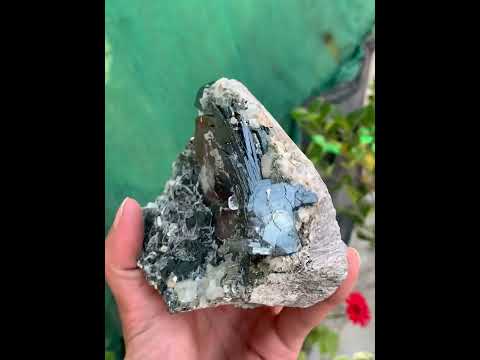
Impressive and lustrous Hematite rosette crystals on matrix from Pakistan - Black
A metallic luster Hematite crystal aggregate is a remarkable mineral specimen characterized by its captivating appearance and unique structural features. Hematite, with its iron-rich composition, forms intricate crystal aggregates that can exhibit twinning, a phenomenon where two or more crystal structures grow together, creating...- $1,900.00
- $1,900.00
- Unit price
- per
-
Black
-
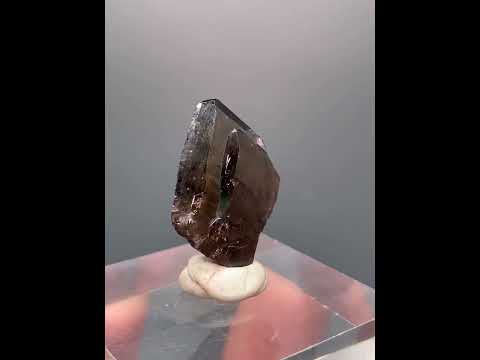
color changing Axinite blade crystal with excellent transparency from Pakistan - Brown
This is an attractive and colorful example of gem Axinite crystal with secondary crystals shooting out along the main crystal. It has magnificent vivid dark smoky color, well crystalized all around with 360-degree view. It has nice Pleochroism effect of color change with a...- $120.00
- $120.00
- Unit price
- per
-
Brown
-
2.25 and 2.75 carats Reverse Color Natural Tourmaline Pair Afghan Gemstone - Bicolor
Behold a captivating pair of Reverse Color Natural Tourmalines from the rugged terrain of Afghanistan, weighing 2.25 and 2.75 carats respectively. These gemstones, a mesmerizing fusion of artistry and nature's brilliance, showcase a unique play of colors that defy convention. The vibrant hues, seemingly...- $670.00
- $670.00
- Unit price
- per
-
Bicolor
-
6.90 carats Bubblegum Pink Tourmaline Step Cushion Cut Nigerian Gemstone - Pink
Bubblegum Pink Tourmaline Stone, a captivating gem originating from Nigeria, boasts a remarkable 6.90 carats of natural beauty in an elegant Cushion Cut. This gemstone mesmerizes with its intense and vibrant hue, radiating a stunning hot pink that captures attention effortlessly. Mined from the rich...- $1,550.00
- $1,550.00
- Unit price
- per
-
Pink
-
2.02 carats Red Burmese Spinel Step Cushion Cut Natural Gemstone - Red
The exquisite beauty of a 2.02 carat Red Burmese Spinel is captured in its mesmerizing Step Cushion Cut, showcasing the gemstone's natural allure. Originating from the famed mines of Burma, this precious gem radiates a rich and vibrant red hue, reminiscent of the finest...- $1,680.00
- $1,680.00
- Unit price
- per
-
Red
Free Shipping on order over $80
100% Authentic & Certified
Save Big in 2026
New Arrivals
New Arrivals is the place to browse products that have been added recently to Gandhara Gems without assuming that every item belongs to the same gemstone species, cutting style or collecting purpose. Because this is a changing merchandising collection rather than a permanent mineral category, the most useful approach is to treat each newly added item according to what it actually is: a faceted gemstone, rough cutting stone, mineral specimen or another collectible product with its own relevant buying criteria.
Sidebar





That distinction matters because one grading method cannot be applied to everything on this page. A faceted gemstone may need to be judged by color, clarity, cut, carat weight and millimeter dimensions, while rough requires assessment of usable internal volume, fractures and realistic cutting yield. Mineral specimens call for yet another approach centered on crystal form, matrix, condition and provenance. The purpose of New Arrivals is therefore discovery first, followed by a more detailed comparison within the most relevant permanent collection.
Use New Arrivals to Discover Recently Added Inventory
The contents of this collection can change as products are added, sold or moved into more specific categories. A stone visible today may not remain available indefinitely, while another type of gemstone or mineral may appear as new inventory is listed.
That changing character is intentional. New Arrivals should help regular visitors identify recently added pieces without replacing the permanent category pages that organize the catalog by species, form and intended use.
When something catches your attention, the next step is to evaluate the individual listing carefully and then compare it with similar items in the appropriate collection. That gives a much stronger buying context than treating the New Arrivals page itself as a permanent quality category.
Compare New Loose Gemstones by Color, Cut and Dimensions
Recently added faceted stones should be judged according to the actual gemstone species rather than according to how recently they appeared. Color quality, tone, saturation, clarity, cut proportions, carat weight, dimensions, treatment disclosure and jewelry suitability can all matter, but their relative importance changes from one gem to another.
A durable sapphire can tolerate jewelry conditions that would be unsuitable for a softer apatite or fluorite. Likewise, inclusions acceptable in emerald may be judged differently from those in a gem where eye-clean clarity is common.
If the new item is a finished stone, the larger loose gemstones selection provides a more useful basis for comparing similar cut gems after the initial discovery.
Compare New Rough Gemstones by Usable Cutting Volume
Rough stones require a completely different buying mindset. Gross carat weight is only the starting point because fractures, cleavage, zoning, cloudiness and irregular shape can reduce the portion that survives cutting.
A new rough piece may look impressive in a close-up photograph yet offer limited pavilion depth or contain structural weaknesses that require substantial trimming. Conversely, a smaller blocky piece can provide much stronger cutting potential if its internal volume is clean and well proportioned.
The rough gemstones collection provides the better context when a newly added item is being considered for faceting, cabochon cutting or preservation as natural rough.
Compare New Mineral Specimens by Crystal Form and Condition
Mineral specimens should be judged according to crystallography, surface preservation, matrix relationships, locality and provenance rather than gem-cutting standards. A specimen can be opaque and still be highly desirable because its value to a collection lies in natural crystal form or geological association.
Condition deserves particular attention with newly listed specimens. Projecting crystals may be delicate, matrix can be fractured, and macro photographs may make a small focal crystal look much larger than its actual dimensions.
When the item is primarily a natural crystal or matrix specimen, comparing it with the wider mineral specimens and crystals selection makes it easier to judge scale, habit and collecting purpose.
Read Each Product’s Measurements Instead of Relying on Photography
New inventory is often photographed closely so color, inclusions, crystal faces and surface details are easy to inspect. This improves visual evaluation, but it can also make a small stone or mineral appear much larger on screen than it will in the hand.
Millimeter measurements are therefore essential. Faceted gemstones should be checked by length, width and depth in addition to carat weight, while mineral specimens need complete specimen dimensions and, where possible, a clear idea of the focal crystal's size.
Rough stones also benefit from three-dimensional measurements because a broad thin piece and a compact block can have very different cutting potential even at similar weight.
Treat “New” as a Discovery Signal, Not a Quality Grade
A recently added product is not automatically better, rarer or more valuable than an item that has been available longer. New Arrivals describes listing recency, not mineral quality or gemstone grade.
Every product still needs to stand on its own characteristics. A new gemstone should be compared by its color and cut, a new rough piece by its usable volume and structure, and a new mineral specimen by its natural form and condition.
This prevents recency from replacing careful buying judgment. The strongest purchase is the item that fits the intended use or collection, regardless of how recently it entered the catalog.
Move From New Arrivals to the Most Relevant Permanent Collection
A merchandising page is useful for browsing, but permanent collections provide stronger long-term comparison. If a new item is clearly a gemstone species you already collect, comparing it against other examples of that species can reveal whether its color, size or form is actually distinctive.
Buyers who want the widest catalog view can move from New Arrivals into All Gems, where the focus shifts from recency toward the permanent gemstone selection.
This approach also reduces confusion when New Arrivals contains several product types at once. Discovery happens here, while detailed comparison happens where the item's species or form is organized more specifically.
Check Identity, Treatment and Condition Before Choosing
Recently listed products should still meet the same standards expected elsewhere in the catalog. Natural origin, species identification, treatment disclosure where relevant, physical condition and visible dimensions remain more important than novelty.
This is particularly important with unusual minerals and less familiar gemstones because color alone may not establish identity. A vivid crystal can belong to several species, while rough may lose diagnostic external surfaces during cutting.
When identity is important to the purchase, the site's authenticity guarantee provides useful context alongside the individual product description.
New Arrivals Can Change as Individual Pieces Sell
Natural gemstones and mineral specimens are often individual objects rather than perfectly repeatable manufactured products. Once a particular crystal, rough piece or faceted stone is no longer available, an identical replacement may not appear.
That does not mean buyers should rush or ignore normal evaluation. It simply means the New Arrivals page should be understood as a changing snapshot of recently listed inventory rather than a fixed archive.
The better approach is to compare carefully while the individual item is available, using dimensions, photographs, condition and category-specific quality factors to decide whether it genuinely fits your needs.
Buying From New Arrivals: Start With Purpose, Then Compare the Item
Before choosing from New Arrivals, decide what the product needs to do. A jewelry buyer may care most about gemstone durability and setting dimensions, a lapidary may prioritize rough shape and clean volume, while a mineral collector may focus on crystal habit, matrix and provenance.
That purpose immediately narrows the relevant quality checks and prevents visually striking photographs from controlling the decision. It also helps determine which permanent collection offers the best comparison once an item has attracted attention.
Browse the current New Arrivals, identify the gemstone, rough stone or specimen that interests you, then compare its individual characteristics within the most relevant category before making your final selection.
New Arrivals FAQs
What appears in the Gandhara Gems New Arrivals collection?
The collection is designed to surface products added recently to the catalog. Depending on current inventory, that can include faceted gemstones, rough stones, mineral specimens or other gemstone-related products. The exact mix changes as new items are listed and existing pieces are sold or reorganized.
Are New Arrivals better quality than older listings?
Not automatically. “New” describes how recently an item was added, not its grade or value. Each product should still be judged by the characteristics relevant to its type, including color, cut, clarity, dimensions, condition, provenance or cutting potential.
How should I compare a newly added faceted gemstone?
Start with the gemstone species, then assess its color, clarity, cut quality, carat weight and exact millimeter dimensions. Durability and treatment disclosure may also matter depending on the species. Comparing it with similar loose stones provides better context than comparing it with unrelated new products.
How should I compare a newly added mineral specimen?
Look at natural crystal form, luster, matrix, condition, dimensions and provenance. A mineral specimen does not need gemstone transparency to be collectible. Several viewing angles are especially useful for understanding contacts, broken areas and the true three-dimensional shape.
Why do items disappear from New Arrivals?
The page is dynamic, so products can leave as they are sold, moved or replaced by more recently added inventory. Natural gemstones and mineral specimens can also be one-of-a-kind objects, meaning an identical replacement may not exist once a specific piece is gone.
Where should I go if I want to compare the full gemstone selection?
The permanent category pages provide stronger comparison once you know what type of item interests you. All Gems provides the widest gemstone-oriented view, while separate loose gemstone, rough gemstone and mineral-specimen collections organize products according to their actual buying purpose.
Browse New Arrivals, Then Compare by the Product’s Real Qualities
Use New Arrivals to discover recently listed gemstones, rough stones and mineral specimens, then evaluate each item by the characteristics that genuinely matter for that product type. Check color, clarity, dimensions and cut for finished gems, usable volume and fractures for rough, or crystal form, matrix and provenance for mineral specimens. Choose the individual product because it fits your jewelry, lapidary or collecting goal, not simply because it is newly listed.

Recently Viewed Products
Example product title
- $19.99
- $19.99
- Unit price
- / per
Example product title
- $19.99
- $19.99
- Unit price
- / per
Example product title
- $19.99
- $19.99
- Unit price
- / per
Example product title
- $19.99
- $19.99
- Unit price
- / per
Example product title
- $19.99
- $19.99
- Unit price
- / per
Example product title
- $19.99
- $19.99
- Unit price
- / per
Example product title
- $19.99
- $19.99
- Unit price
- / per
Example product title
- $19.99
- $19.99
- Unit price
- / per
Example product title
- $19.99
- $19.99
- Unit price
- / per
Example product title
- $19.99
- $19.99
- Unit price
- / per
- Choosing a selection results in a full page refresh.


