


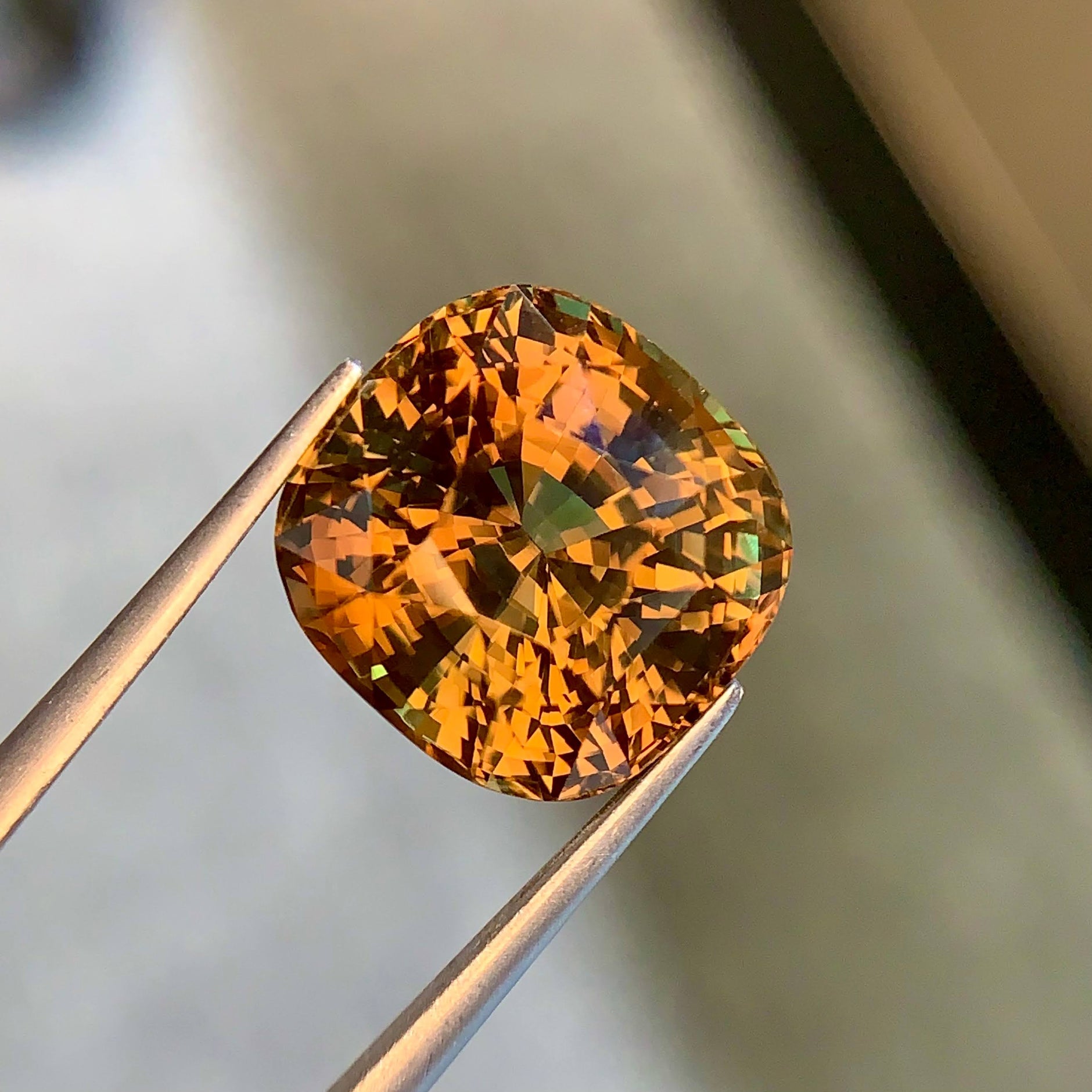


Crystals and Slipped Discs
Crystals and slipped discs are sometimes discussed together in alternative healing traditions, particularly through gemstones such as aragonite, black tourmaline, amethyst, hematite, carnelian, and bloodstone. These six materials have different symbolic associations involving stability, protection, reflection, vitality, courage, and perseverance. Aragonite is often connected with grounding and physical structure, while black tourmaline is traditionally associated with protection and amethyst with composure. Gemstones may have cultural or sentimental significance, but they are not established treatments for disc injuries.
A slipped disc, also called a herniated or prolapsed disc, occurs when part of the soft tissue within an intervertebral disc pushes outward through its surrounding structure. The discs sit between the vertebrae and help distribute forces through the spine. When displaced disc material irritates or presses against a nearby nerve, a person may experience back pain, pain extending into an arm or leg, tingling, numbness, or muscle weakness. Some disc herniations cause no symptoms, while others substantially interfere with walking, sleeping, sitting, or ordinary movement. Many symptomatic cases improve over time with appropriate activity, pain management, and rehabilitation, although certain warning signs require urgent assessment.

For someone living with back discomfort, a favorite gemstone may still serve as a personal keepsake or reminder of an important recovery goal. A purple amethyst pendant might commemorate a milestone, while a smooth carnelian or bloodstone could be chosen because of its color and craftsmanship. These uses are decorative and symbolic rather than therapeutic. A natural gemstone should be assessed according to its mineral identity, hardness, cutting quality, treatments, structural condition, and suitability for jewelry. The most responsible approach is to appreciate the stones for what they are while keeping medical decisions grounded in the actual spinal condition.
Crystals and Slipped Discs at a Glance
| Material | Traditional Symbolism | Typical Appearance | Mohs Hardness | Evidence for Treating a Slipped Disc |
|---|---|---|---|---|
| Aragonite | Stability, grounding, structure | White, honey, brown, orange, and other colors | 3.5–4 | No established clinical benefit |
| Black tourmaline | Protection, steadiness, grounding | Opaque black crystals | 7–7.5 | No established clinical benefit |
| Amethyst | Reflection, patience, composure | Lavender to deep-purple quartz | 7 | No established clinical benefit |
| Hematite | Determination, endurance, personal strength | Metallic gray to dark steel-colored material | 5.5–6.5 | No established clinical benefit |
| Carnelian | Courage, motivation, renewal | Orange to reddish-orange chalcedony | 6.5–7 | No established clinical benefit |
| Bloodstone | Resilience, vitality, perseverance | Dark-green chalcedony with red markings | 6.5–7 | No established clinical benefit |
These materials occupy different gemological categories, including carbonate minerals, tourmaline, quartz, iron oxide, and ornamental chalcedony. Their traditional symbolism provides no reliable indication of their ability to affect nerve function or spinal tissue, while their physical properties remain important for purchasing and caring for jewelry.
What Is a Slipped Disc and How Does It Affect the Spine?
The human spine contains vertebrae separated by intervertebral discs. Each disc includes a softer central region, called the nucleus pulposus, surrounded by tougher fibrous tissue known as the annulus fibrosus. Together, these structures help the spine tolerate movement and distribute mechanical loads.
A herniated disc develops when disc material extends beyond its usual boundaries. Depending on its location, the displaced tissue may irritate a spinal nerve or contribute to pressure within the surrounding space.
Herniations commonly affect the lower back and neck, although they can occur elsewhere in the spine. A lumbar disc herniation may cause pain extending into the buttock or leg, while a cervical herniation can produce symptoms involving the neck, shoulder, arm, or hand.
Not every herniated disc causes pain. Imaging studies sometimes reveal disc changes in people without symptoms, meaning that a scan finding must be interpreted alongside the person's medical history and examination.
The appropriate response therefore depends on the entire clinical picture rather than assuming that every visible disc abnormality requires surgery or that every episode of back pain results from a slipped disc.
Slipped Disc, Sciatica, and Nerve Compression
Sciatica describes symptoms involving irritation or compression of the sciatic nerve or associated nerve roots. The condition can produce pain extending from the lower back or buttock into the leg, sometimes accompanied by tingling, numbness, or weakness.
A lumbar disc herniation is one possible cause of sciatica, but not everyone with a herniated disc develops sciatic pain. Likewise, leg pain can have causes unrelated to a disc.
The relationship between symptoms and anatomical findings is important because treatment aims to address the actual problem. A person with mild back discomfort may require a different approach from someone experiencing progressive weakness or significant neurological changes.
A gemstone held near the lower back cannot determine whether a nerve is compressed or whether the condition is improving.
Why Crystals Cannot Repair a Herniated Disc
The biological processes involved in a disc herniation include mechanical changes, tissue responses, and sometimes inflammation affecting nearby nerve structures. Recovery may involve a reduction in inflammation, changes in the herniated material, adaptation of surrounding tissues, and improvement in symptoms.
These processes cannot be reproduced through the presence of a decorative mineral. A crystal's hardness or internal structure does not establish an ability to reposition disc tissue, relieve pressure on a nerve root, or regenerate spinal cartilage.
Some gemstone traditions describe physical pain as blocked energy or an imbalance associated with the lower body. These interpretations may have spiritual significance to individuals, but they do not provide an established medical explanation for disc herniation.
The distinction is important because unsupported healing claims may encourage someone to delay treatment or ignore worsening neurological symptoms. A crystal can remain a personal object, but its role should not be confused with the interventions recommended by qualified healthcare professionals.
Aragonite: A Calcium Carbonate Mineral Associated With Stability
Aragonite is a naturally occurring calcium carbonate mineral with the chemical formula CaCO₃. It is chemically related to calcite but possesses a different crystal structure, which contributes to differences in its physical characteristics.
Aragonite occurs in several colors and forms, including white, brown, honey-colored, orange, and other varieties. Certain specimens develop distinctive radiating crystal formations or clustered structures that make them attractive to mineral collectors.
Contemporary crystal traditions associate aragonite with grounding, structure, stability, and the symbolic strength of the skeletal system. These meanings have contributed to its inclusion in discussions about back pain and spinal health.
However, aragonite does not strengthen vertebrae, restore disc tissue, improve calcium absorption through skin contact, or treat nerve compression.

Why Aragonite's Calcium Content Does Not Heal Spinal Discs
Aragonite contains calcium as part of its chemical composition, but this does not mean that holding or wearing the mineral supplies calcium to the body.
The mineral's chemical identity should not be confused with the controlled absorption of nutrients through digestion. Applying an aragonite specimen to the back has no established capacity to deliver medically meaningful calcium or repair the tissues of an intervertebral disc.
Spinal discs also differ from bones in their structure and biological function, so claims that a calcium-containing crystal directly restores disc strength are especially misleading.
A person concerned about bone health, nutritional deficiency, or spinal disease should discuss the relevant questions with a healthcare professional rather than attempting to use mineral specimens as supplements.
Aragonite Quality and Ornamental Suitability
Aragonite has a Mohs hardness of approximately 3.5 to 4 and can be brittle, making it relatively unsuitable for demanding everyday jewelry.
Collectors commonly value attractive crystal forms, color, luster, and the completeness of natural formations. Delicate clusters are best stored where they will not be struck or crushed.
Some ornamental pieces may be polished, but the material requires more careful handling than quartz or tourmaline.
Aragonite should not be ground into powders or used to prepare homemade medicinal drinks. Its appropriate value is ornamental, educational, or collectible rather than therapeutic.
For someone interested primarily in wearable jewelry, a more durable transparent gemstone may offer greater practical satisfaction.
Black Tourmaline: Traditional Grounding and Protection Symbolism
Black tourmaline commonly refers to dark tourmaline, particularly schorl. It is an opaque mineral frequently encountered as elongated natural crystals, polished beads, and decorative objects.
Modern crystal traditions associate black tourmaline with grounding, protection, stability, and the symbolic idea of establishing personal boundaries. These meanings explain why it appears in discussions involving chronic discomfort or difficult periods.
Some descriptions claim that black tourmaline protects the nervous system or absorbs negative energy associated with physical pain. There is no reliable evidence that it provides such effects.
Its crystal structure and measurable electrical properties do not establish that it can relieve nerve compression, improve muscular control, or repair a herniated disc.
Can Black Tourmaline Relieve Sciatic Nerve Pain?
Black tourmaline has not been clinically demonstrated to reduce sciatica or alter the function of compressed or irritated spinal nerves.
Placing a gemstone against the lower back does not address the location or cause of the nerve irritation. A heavy or rough crystal may also create uncomfortable pressure when someone sits or lies down.
People experiencing radiating leg pain, tingling, or weakness should seek appropriate assessment rather than assuming the symptoms can be resolved through a grounding ritual.
The gemstone may be meaningful as a decorative object, particularly if the wearer associates it with patience during a long recovery, but it does not substitute for clinical care.
Choosing Black Tourmaline for Jewelry
Black tourmaline is generally opaque, which distinguishes it from the transparent pink, green, and blue tourmalines commonly used as faceted gemstones.
Its Mohs hardness of approximately 7 to 7.5 provides useful scratch resistance, although individual stones may contain fractures or vulnerable crystal edges.
Polished black tourmaline can suit minimalist jewelry designs, while rough specimens are often better appreciated in protected displays.
Someone who wants a smooth pendant may prefer polished material rather than an exposed crystal formation. The stone should be selected for its appearance and structural condition, not because a larger specimen is claimed to provide stronger protection from pain.
Amethyst: Purple Quartz Associated With Reflection and Patience
Amethyst is the purple variety of quartz, composed of silicon dioxide with the chemical formula SiO₂. Its colors range from pale lavender to richly saturated violet and reddish purple.
Its longstanding symbolic associations include reflection, patience, restraint, and thoughtful judgment. Modern crystal practices sometimes describe amethyst as a source of relaxation during periods of discomfort.
A person recovering from back pain may appreciate a familiar gemstone because it has personal meaning or represents an important goal. However, amethyst does not have an established ability to relax compressed nerves, reverse inflammation around a herniated disc, or treat persistent pain through a mineral-specific mechanism.
Amethyst and Sleep Disruption Caused by Back Pain
Back pain can make it difficult to find a comfortable sleeping position, and repeated nighttime discomfort can affect rest. A person may consequently experience tiredness, irritability, or difficulty concentrating during the day.
Amethyst is sometimes recommended for these difficulties because of its symbolic connection with calmness and sleep. However, there is no reliable clinical evidence that placing amethyst under a pillow improves sleep by treating the underlying spinal condition.
A hard gemstone beneath bedding can also create pressure or discomfort, particularly for someone with a painful back.
More useful approaches involve addressing the actual cause of pain, following appropriate medical advice, and finding suitable sleeping positions and support. The gemstone can remain a meaningful object without becoming part of an unsupported treatment claim.
What Makes a Fine Amethyst Suitable for Jewelry?
Amethyst has a Mohs hardness of 7 and generally good toughness, making it practical for several jewelry designs.
Fine gemstones are commonly evaluated for attractive purple saturation, transparency, cut, surface polish, and structural condition.
Natural color zoning may occur, and poorly proportioned stones can display extensive windowing or unwanted dark areas. A well-cut oval or cushion amethyst should create a harmonious face-up appearance with effective light return.
For someone who experiences discomfort when reaching, twisting, or fastening complicated accessories, a lightweight pendant may be preferable to a large bracelet or heavy decorative item.
The design should be comfortable to use and reflect the wearer's preferences rather than the gemstone's supposed influence on spinal health.
Hematite: An Iron Oxide Mineral Associated With Endurance
Hematite is an iron oxide mineral with the chemical formula Fe₂O₃. It commonly occurs in metallic gray, black, or reddish-brown forms and is recognized by its characteristic reddish-brown streak.
Polished hematite can display a strong metallic luster, creating a distinctive appearance in beads, cabochons, and ornamental jewelry.
Historical and modern symbolic traditions connect hematite with courage, endurance, resilience, stability, and physical strength. These associations have encouraged unsupported claims that the mineral improves blood circulation or assists recovery from musculoskeletal problems.
However, hematite has not been demonstrated to increase blood flow, strengthen joints, treat anaemia through skin contact, or repair spinal discs.
Hematite Contains Iron but Is Not an Iron Supplement
Hematite's chemical composition includes iron, but that does not mean wearing the stone increases iron levels in the blood.
The controlled absorption and use of dietary iron involve biological processes that cannot be replicated by placing an iron oxide mineral against the skin.
This distinction is particularly important when crystal descriptions claim that hematite treats weakness, improves oxygen transport, or increases circulation.
A person concerned about anaemia or unexplained fatigue should seek suitable assessment rather than attempting to obtain a nutritional effect from mineral jewelry.
Hematite may be an attractive decorative material, but its iron content does not establish medical usefulness.
Natural Hematite Versus Magnetic Imitations
Hematite is sometimes confused with strongly magnetic commercial beads marketed under names such as magnetic hematite or hematine.
Many such products are manufactured materials rather than natural hematite, making accurate identification important.
Natural hematite generally has a hardness of approximately 5.5 to 6.5, although its practical durability depends on the specimen's form and condition.
A buyer should consider color, polish, material identity, and the intended jewelry design. The presence of magnetic behavior should not be treated as evidence that a product improves circulation or relieves back pain.
For someone who enjoys dark metallic jewelry, genuine hematite can provide an attractive appearance without requiring exaggerated health claims.
Carnelian: Orange Chalcedony Symbolizing Courage and Motivation
Carnelian is an orange-to-reddish-orange variety of chalcedony, a microcrystalline form of quartz. It has been used historically in seals, beads, decorative carvings, and personal jewelry.
Its warm colors have encouraged symbolic associations with courage, confidence, creativity, vitality, and personal motivation.
Modern crystal traditions sometimes connect carnelian with the lower back, hips, or the symbolic sacral chakra. These associations have led to claims that the stone improves movement or restores energy to injured tissues.
However, carnelian does not have a clinically established ability to relax compressed nerves, reverse disc degeneration, or improve lower-back mobility.
Carnelian and the Idea of Returning to Movement
A person recovering from a symptomatic disc herniation may want to return to walking, exercise, work, or another activity that has become difficult.
Carnelian's symbolic reputation for motivation may make it a meaningful gift during this process. A warm orange pendant could represent the person's commitment to gradually resuming valued activities.
The actual recovery, however, depends on the underlying condition and appropriate management. A gemstone does not determine the safe level of activity or replace advice about movement and rehabilitation.
The symbolic meaning can be appreciated without interpreting the stone as a means of controlling pain.
Choosing Carnelian by Color and Polish
Carnelian commonly ranges from pale orange to strongly saturated orange-red, sometimes with a brownish component. It is often translucent and is usually polished into smooth cabochons or beads rather than conventional transparent brilliant cuts.
Fine material may be desirable for attractive color, evenness of appearance, polish, and condition.
Some commercial carnelian and related chalcedony materials receive heating or dyeing to improve their color. Treatment disclosure is relevant when the buyer specifically seeks untreated natural material.
Carnelian has a Mohs hardness of approximately 6.5 to 7 and generally good toughness, making it suitable for many ornamental jewelry applications.
Its commercial value should be based on its quality and workmanship rather than claims that it strengthens the lower back.

Bloodstone: Green Chalcedony With Distinctive Red Markings
Bloodstone, also known as heliotrope, is an ornamental variety of chalcedony traditionally recognized for a dark-green body with red spots or markings. The red areas are generally associated with iron-bearing mineral inclusions that create contrast with the green background.
The stone has been used historically for seals, carved objects, jewelry, and decorative pieces. Its unusual appearance contributed to traditions associating it with courage, endurance, blood, and vitality.
These cultural meanings explain why bloodstone sometimes appears in crystal discussions involving circulation, weakness, or recovery after injury.
However, bloodstone does not have an established ability to improve blood oxygen delivery, remove inflammation, regenerate spinal tissue, or accelerate recovery from a slipped disc.
Why Bloodstone's Red Markings Do Not Affect Circulation
The name bloodstone refers to the gemstone's appearance and historical symbolism, not to an established physiological effect.
The red markings do not provide a mechanism for treating circulation problems, and wearing the stone does not influence blood flow through spinal tissues.
Similarly, a crystal's mineral composition does not establish an ability to repair nerves affected by compression.
A person experiencing back pain with numbness, tingling, or weakness should not assume that a bloodstone bracelet will provide an appropriate treatment.
The stone can remain a meaningful symbol of determination while medical care addresses the actual condition.
Evaluating Natural Bloodstone Quality
Bloodstone is generally opaque and is commonly fashioned into cabochons, beads, and ornamental carvings.
Its attractiveness depends on the green body color, distribution of red markings, polish, pattern, and structural condition.
Some buyers prefer distinct red spots against deep green, while others appreciate more irregular natural patterns.
Bloodstone has a Mohs hardness of approximately 6.5 to 7, providing useful scratch resistance for several decorative jewelry designs.
A polished pendant or ornamental piece can showcase its characteristic colors without requiring the gemstone to be placed against the painful lower back.
Comparing the Six Crystals for Jewelry and Collecting
Aragonite, black tourmaline, amethyst, hematite, carnelian, and bloodstone differ considerably in physical durability and typical commercial use.
Amethyst is generally the most familiar transparent faceted gemstone in this selection, while carnelian and bloodstone are commonly appreciated as polished chalcedony. Black tourmaline provides an opaque dark appearance, hematite offers metallic luster, and aragonite is especially interesting for natural crystal formations.
| Material | Primary Visual Appeal | Common Commercial Form | Practical Jewelry Consideration |
|---|---|---|---|
| Aragonite | Natural crystal clusters and warm mineral colors | Display specimens and ornamental pieces | Soft and brittle; protect against impacts |
| Black tourmaline | Dark opaque appearance | Crystals, beads, polished stones | Examine fractures and exposed edges |
| Amethyst | Transparent purple brilliance | Faceted gemstones | Suitable for many protected designs |
| Hematite | Metallic gray luster | Polished beads and cabochons | Verify material identity |
| Carnelian | Translucent orange-red color | Cabochons, beads, carvings | Suitable for several ornamental designs |
| Bloodstone | Green body with red markings | Cabochons, beads, carvings | Emphasize color, pattern, and polish |
This comparison shows why buying guidance should reflect the actual material rather than treating all six as interchangeable crystals. A buyer seeking a transparent faceted gemstone may prefer amethyst, while someone interested in contrasting natural patterns may appreciate bloodstone.
The intended design should also influence the choice. A pendant can accommodate a polished stone without requiring the wearer to bend repeatedly or manipulate a complicated bracelet clasp, while a display specimen may be best for someone who enjoys mineral formations but does not regularly wear jewelry.
What Actually Helps With a Slipped Disc?
Many symptomatic slipped discs improve gradually without surgery. Appropriate care often involves a combination of activity modification, suitable pain management, and a gradual return to movement as symptoms permit.
Prolonged bed rest is generally not recommended for uncomplicated back pain because extended inactivity may contribute to stiffness and reduced function. However, the correct level of movement depends on symptoms and individual circumstances.
Gentle walking or other tolerable activities can be helpful for some people. The type and intensity of exercise should avoid substantially worsening symptoms and may need to be adjusted according to professional advice.
A physiotherapist or healthcare professional can help determine whether particular movements, exercises, or changes to working habits are appropriate.
Movement, Rest, and Rehabilitation
Someone experiencing severe pain may initially need to reduce demanding activities. As symptoms improve, a gradual return to comfortable movement can help maintain ordinary function.
The goal is not to force movement through severe pain or ignore neurological symptoms. Different disc herniations produce different patterns of discomfort, and exercises that help one individual may aggravate another.
Physiotherapy may include movement advice, strengthening, and strategies for managing symptoms during daily activities.
A crystal does not provide the mechanical or physiological effects involved in rehabilitation. Its use as a personal reminder should never encourage someone to exceed a safe level of activity.
Pain Relief and Medical Assessment
Suitable pain-relief medicines may be considered according to the individual's medical circumstances. Anti-inflammatory medicines such as ibuprofen are not appropriate for everyone, particularly people with certain medical conditions or medication interactions.
A pharmacist or healthcare professional can help determine whether a particular medicine is suitable.
Persistent symptoms may require further examination or imaging when the findings would influence management. Surgery is not usually necessary, but specialist assessment may be considered when symptoms remain severe despite appropriate treatment or when neurological problems develop.
The decision should be guided by the clinical condition rather than claims that a gemstone can reposition a disc or remove nerve pressure.
Emergency Warning Signs With Back Pain or a Slipped Disc
Most back pain is not associated with a medical emergency, but certain symptoms can indicate serious pressure on nerves or another urgent condition.
New numbness around the genitals, buttocks, or saddle area; difficulty passing urine; loss of bladder or bowel control; or severe or worsening weakness in the legs requires immediate emergency assessment.
These symptoms may indicate cauda equina syndrome or another serious spinal problem. Delaying medical care can increase the risk of lasting neurological damage.
Back pain following a major accident also requires urgent evaluation, particularly when accompanied by neurological symptoms.
Anyone experiencing these warning signs should seek emergency medical attention immediately rather than attempting to manage the symptoms with crystals, massage, or home remedies.
Choosing Gemstone Jewelry That Does Not Complicate Back Discomfort
A person experiencing back pain may find certain accessories inconvenient, particularly when they involve bending, twisting, or reaching to fasten them.
A lightweight pendant may be easier to manage than an anklet or complicated bracelet, although the most suitable choice depends on the individual's mobility and preferences.
Someone who works with their hands may also prefer earrings or a pendant over a large ring that could be damaged during manual activities.
The gemstone itself should have suitable durability for its intended use. A transparent amethyst can be attractive for a faceted pendant, while carnelian and bloodstone may suit smooth ornamental pieces.
Selecting a Loose Gemstone for Custom Jewelry
Color, clarity, cut, dimensions, and structural condition should guide the choice of a loose faceted gemstone.
For amethyst, purple saturation and transparency are especially relevant, while cutting proportions influence visible brilliance and the distribution of color.
A heavy stone with poor proportions may appear smaller from above than a lighter gemstone whose shape is better suited to the intended design. Carat weight should therefore be considered alongside length, width, and depth in millimeters.
For an individual jewelry project, you can buy loose faceted gemstones on Gandhara Gems and select a stone that fits the proposed mounting without unnecessary weight or awkward proportions.
The goal should be a comfortable and attractive finished piece rather than an accessory claimed to relieve spinal pain.
Natural Origin, Treatments, and Material Identification
Gemstones and ornamental stones can undergo treatments after mining, including heating, dyeing, filling, or polishing processes that affect appearance.
Carnelian and related chalcedony materials may receive color enhancement, while some commercial hematite-like products are manufactured imitations.
A buyer should understand whether the material is natural, treated, assembled, or manufactured when that distinction influences value.
Information associated with gemstone authenticity assurances can contribute to purchasing confidence when considered alongside the actual product description and relevant identification documentation.
A genuine mineral specimen or natural gemstone has authentic physical properties, but that identity does not establish medical effectiveness against a slipped disc.
Gemstone Quality, Value, and Price Considerations
The six materials discussed in this article occupy different commercial markets. Amethyst is commonly evaluated for color, transparency, cutting quality, and size, while carnelian and bloodstone are generally selected for polished ornamental appearance.
Black tourmaline may be valued for crystal form, surface condition, or the quality of polished beads. Hematite's metallic appearance is attractive to some buyers, but accurate identification is important because manufactured magnetic imitations are also sold.
Aragonite is more commonly collected for distinctive crystal formations than purchased as a durable faceted jewelry gemstone.
A larger specimen is not automatically more valuable if it contains significant damage, unattractive proportions, or poorly finished surfaces.
Prices should reflect the material's actual quality, rarity, treatment history, and market characteristics. No gemstone should carry a premium because it is claimed to repair discs, strengthen bones, or improve nerve function.
An attractive small gem or carefully polished ornamental stone may provide greater personal satisfaction than a more expensive specimen marketed through unsupported medical promises.
How to Care for Gemstone Jewelry and Mineral Specimens
Gemstone care depends on hardness, toughness, cleavage, and any known treatments. Amethyst can generally be cleaned gently using mild soap and water when the stone's condition permits, while carnelian and bloodstone also benefit from conservative cleaning.
Aragonite requires more caution because of its relative softness and sensitivity to acids. Hematite should be handled according to its material characteristics and finish, particularly when it is part of a bead or polished ornament.
Black tourmaline may contain fractures or vulnerable edges, especially in rough crystal specimens. Exposed points should be protected from impacts, and all materials should be stored to prevent harder stones from scratching softer ones.
Appropriate gemstone care and cleaning helps maintain the appearance and structural condition of jewelry. No cleansing or charging practice has been demonstrated to make a mineral effective against a spinal injury.
For someone experiencing back pain, loose mineral specimens should also be kept away from bedding or seating areas where they could create uncomfortable pressure or accidental injury.
Conclusion
Aragonite, black tourmaline, amethyst, hematite, carnelian, and bloodstone have different colors, mineral properties, and traditional associations with endurance, stability, or personal renewal. None has been shown to repair a herniated disc, relieve nerve compression, or replace appropriate rehabilitation. Their appeal lies in mineralogical character, decorative beauty, and personal symbolism, while decisions about back pain should be based on symptoms, neurological findings, and suitable medical care.
When choosing a gift for someone whose daily activities have been limited by back discomfort, comfort and ease of use may matter more than gemstone size. A lightweight amethyst pendant could be a practical alternative to an elaborate bracelet, while a polished ornamental stone may suit someone who prefers collecting rather than wearing jewelry. You can buy natural faceted gemstones on Gandhara Gems for a custom piece that reflects the recipient's preferences; focus on a stone with attractive color, suitable dimensions, and a mounting that is comfortable to handle. The finished jewelry can mark an important personal milestone without implying that it changes the underlying spinal condition.

Frequently Asked Questions About Crystals and Slipped Discs
Can crystals heal a slipped disc?
No. There is no reliable scientific evidence that aragonite, black tourmaline, amethyst, hematite, carnelian, bloodstone, or another gemstone can repair a slipped disc. A herniated disc involves changes to the tissue between vertebrae, sometimes causing irritation or compression of nearby nerves. Many symptomatic cases improve over time with appropriate management, including activity modification, suitable pain relief, and rehabilitation. A gemstone cannot move displaced disc material back into position or reproduce the biological processes involved in recovery. Persistent or worsening symptoms should be evaluated by a healthcare professional.
Which crystals are traditionally associated with slipped discs?
The six materials discussed in the original article are aragonite, black tourmaline, amethyst, hematite, carnelian, and bloodstone. Their traditional symbolism includes grounding, stability, reflection, determination, motivation, and endurance. These meanings reflect cultural interpretations rather than clinically established effects. None has been demonstrated to reduce spinal nerve compression or improve disc tissue. The stones differ substantially in physical properties and jewelry suitability, making gemstone quality and intended use more relevant to a purchase than claims about back-pain relief.
Does aragonite strengthen spinal discs because it contains calcium?
No. Aragonite is a calcium carbonate mineral, but holding or wearing it does not supply calcium to the body or repair the structures of the spine. Intervertebral discs differ from bone and contain specialized tissues that respond to biological and mechanical conditions. Aragonite's mineral composition does not create a treatment for disc herniation or nerve irritation. The stone may be interesting as a crystal specimen, particularly because of its distinctive natural formations, but its calcium content should not be used to justify claims about improving spinal health.
Can black tourmaline reduce sciatica pain?
Black tourmaline has not been clinically demonstrated to reduce sciatica or relieve nerve compression. Sciatica can develop when a nerve root becomes irritated or compressed, sometimes because of a lumbar disc herniation. Wearing a black tourmaline bracelet or placing a crystal near the lower back does not address the underlying cause. A person may value the gemstone as a symbolic reminder of stability, but that personal meaning is not a medical treatment. Persistent radiating pain, numbness, or weakness should be assessed according to the individual's symptoms and medical circumstances.
Is hematite useful for circulation and spinal recovery?
There is no reliable clinical evidence that hematite improves circulation or accelerates spinal recovery when worn as jewelry. Hematite is an iron oxide mineral with a metallic gray appearance and characteristic reddish-brown streak. Its iron content does not mean that wearing it provides iron supplementation or improves oxygen delivery to tissues. Claims that the stone restores physical strength belong to traditional symbolism rather than established medicine. Hematite can be appreciated for its appearance and ornamental use without being represented as a treatment for disc injuries or associated neurological symptoms.
What actually helps a slipped disc recover?
Many symptomatic slipped discs improve gradually with appropriate self-care and clinical management. Keeping reasonably active, avoiding activities that substantially worsen symptoms, and gradually returning to tolerable movement may be useful. Suitable pain medicines and physiotherapy can also be considered according to the person's circumstances. Some people require further investigation or specialist treatment when pain persists or neurological symptoms develop. Surgery is not usually necessary, but it may be considered in selected cases. The correct approach depends on the individual's clinical findings rather than any gemstone or crystal-based ritual.
How long does a slipped disc take to improve?
Recovery varies considerably. Some people notice improvement within several weeks, while others experience symptoms that continue for months or longer. The duration depends on factors such as the location and severity of the herniation, the nerves involved, the person's activities, and their response to treatment. Persistent pain does not always mean that surgery is necessary, but worsening weakness or numbness requires further assessment. A gemstone cannot reliably predict healing time or indicate whether a nerve is recovering. The person's symptoms and clinical findings remain the appropriate basis for decisions.
When is back pain from a slipped disc an emergency?
Emergency assessment is necessary when back pain occurs with new numbness around the genitals or buttocks, difficulty passing urine, loss of bladder or bowel control, severe or worsening weakness in the legs, or other signs suggesting serious nerve compression. Back pain following a major accident may also require urgent evaluation. These symptoms can indicate a serious spinal problem, including cauda equina syndrome, where delays may increase the risk of permanent damage. A person experiencing these warning signs should seek emergency medical assistance immediately rather than attempting crystal therapy or waiting for home remedies to work.
Is amethyst or carnelian better for a personal jewelry gift?
Amethyst and carnelian provide different appearances and jewelry possibilities. Amethyst is transparent purple quartz commonly fashioned into faceted gemstones, while carnelian is orange-to-red chalcedony often polished into smooth cabochons and beads. Both have useful hardness for many carefully designed pieces, although their cutting styles and visual characteristics differ. The better choice depends on the recipient's preferred color, the intended mounting, and the gemstone's actual quality. Neither has been shown to improve spinal recovery, so their significance should come from beauty, craftsmanship, and the occasion.
Can wearing gemstone jewelry interfere with back-pain recovery?
Ordinary comfortable jewelry does not necessarily interfere with recovery, but heavy accessories, tight pieces, or designs requiring uncomfortable bending or twisting may be inconvenient for someone experiencing significant back pain. Large loose stones placed beneath bedding or against the back can also create unnecessary pressure and should not be used as improvised treatment devices. A lightweight pendant or simple earrings may be easier to manage, depending on the person's mobility and preferences. Jewelry should be selected for comfort and personal enjoyment rather than positioned on the body with the expectation that it will repair a disc.


