


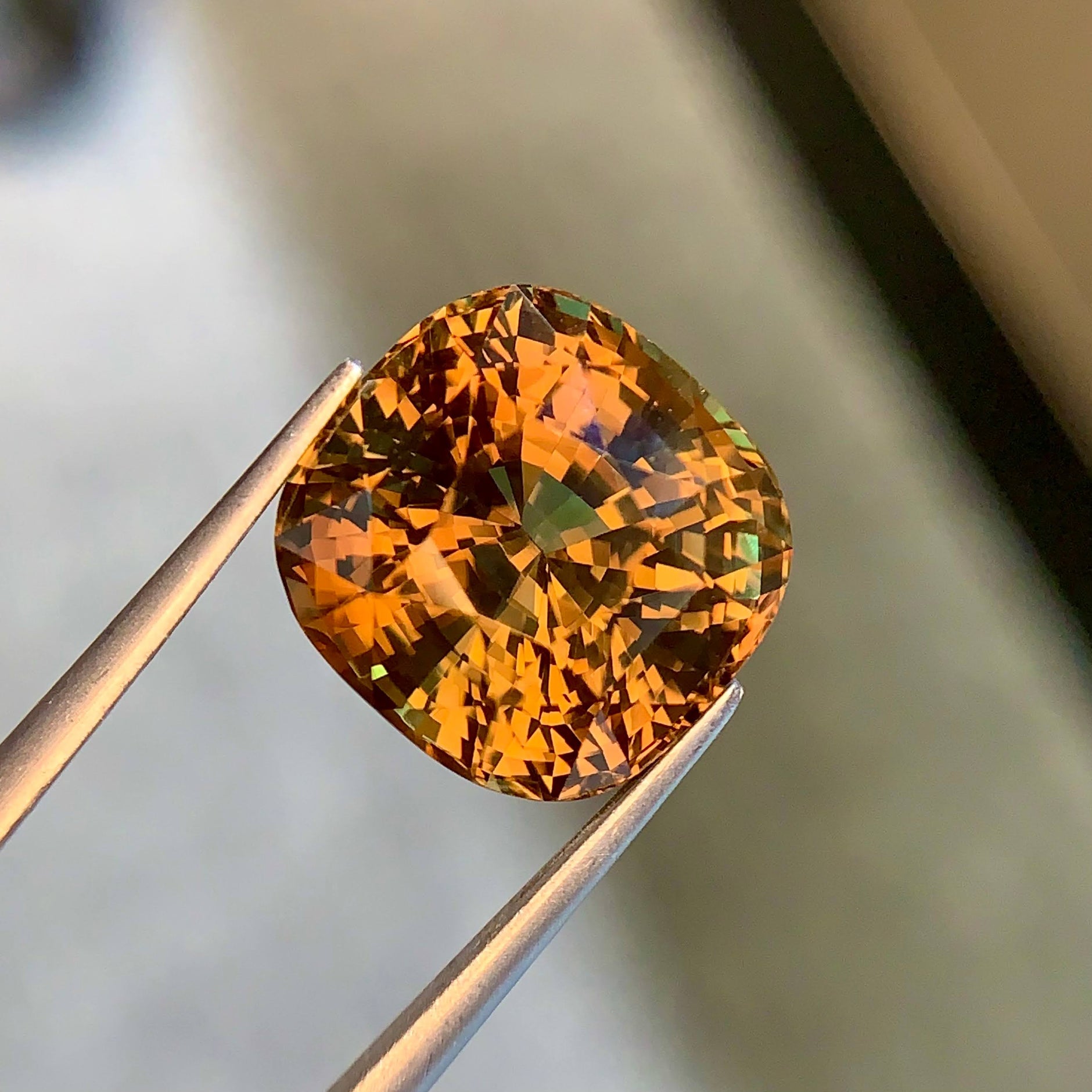


The Healing Crystals for Stomach Problems
The healing crystals for stomach problems most frequently discussed in contemporary gemstone traditions include citrine, moonstone, amethyst, aquamarine, peridot, black tourmaline, and garnet. These seven gemstones have acquired symbolic associations with optimism, emotional balance, composure, tranquility, renewal, stability, and perseverance. Citrine is often connected with the solar plexus chakra and digestion, while moonstone is associated with personal cycles and amethyst with reflection.
Stomach problems can involve several different organs and causes. What someone describes as a stomachache may result from indigestion, constipation, trapped gas, a gastrointestinal infection, food intolerance, acid reflux, or another condition affecting the abdomen. Symptoms can include cramping, fullness, nausea, burning discomfort, diarrhea, or changes in bowel habits. Some problems resolve without specialized treatment, while others require medical assessment because they can indicate inflammation, infection, obstruction, or disease involving the gallbladder, pancreas, or other abdominal structures. The appropriate response depends on the nature, severity, and duration of the symptoms rather than a gemstone's traditional meaning.

Natural gemstones can still have personal value as jewelry, decorative objects, or reminders of meaningful occasions. A golden citrine may appeal to someone who appreciates warm transparent colors, while moonstone offers a floating optical sheen and peridot provides a distinctive natural green appearance. These gemstones differ considerably in hardness, clarity, cutting styles, treatments, and commercial value. Understanding their actual properties allows buyers to select attractive material for a personal collection or custom jewelry without relying on unsupported claims about digestive health.
Healing Crystals for Stomach Problems at a Glance
| Gemstone | Traditional Symbolism | Characteristic Appearance | Mohs Hardness | Evidence for Treating Digestive Problems |
|---|---|---|---|---|
| Citrine | Optimism, confidence, personal energy | Transparent yellow to golden-orange quartz | 7 | No established clinical benefit |
| Moonstone | Reflection, personal cycles, harmony | Pale feldspar with floating adularescence | 6–6.5 | No established clinical benefit |
| Amethyst | Composure, reflection, thoughtful decisions | Lavender to richly saturated purple quartz | 7 | No established clinical benefit |
| Aquamarine | Tranquility, clear communication, friendship | Transparent blue to greenish-blue beryl | 7.5–8 | No established clinical benefit |
| Peridot | Renewal, growth, positive change | Yellowish-green to vivid-green olivine | 6.5–7 | No established clinical benefit |
| Black tourmaline | Grounding, protection, stability | Opaque black tourmaline | 7–7.5 | No established clinical benefit |
| Garnet | Perseverance, affection, commitment | Red, purple, orange, green, and other colors | Approximately 6.5–7.5 | No established clinical benefit |
These stones are traditionally associated with different qualities, but their symbolism does not establish a physiological effect on the stomach, intestines, liver, or gallbladder. The differences that can be verified concern their mineral composition, optical properties, physical durability, and suitability for particular jewelry designs.
What Causes Stomach Problems and Digestive Discomfort?
Abdominal discomfort is a broad symptom that can originate from several parts of the digestive system or from structures outside it. The location, character, and timing of pain may provide useful information, but they are not enough to establish a diagnosis without considering the person's medical history and other symptoms.
Indigestion commonly produces discomfort or fullness in the upper abdomen, sometimes accompanied by heartburn, nausea, or bloating after eating. Constipation may cause cramping and a feeling of abdominal pressure, while gastroenteritis and food poisoning can lead to diarrhea, vomiting, and general discomfort. Irritable bowel syndrome can involve recurrent abdominal pain associated with changes in bowel movements.
Other causes require particular attention because they may not improve through ordinary self-care. Gallstones can produce significant pain in the upper abdomen, while appendicitis, pancreatitis, kidney stones, and certain gynecological conditions can cause abdominal pain that requires prompt investigation.
This variety explains why generic claims that a single crystal improves digestion are misleading. There is no one digestive condition for a gemstone to treat, and different medical causes require different responses.
Indigestion, Bloating, and Acid Reflux
Indigestion is often described as upper-abdominal fullness, discomfort, or burning after meals. Acid reflux occurs when stomach contents move backward into the esophagus, potentially causing heartburn, a sour taste, or irritation that becomes more noticeable after eating or when lying down.
Bloating may result from gas, constipation, dietary factors, or functional digestive disorders. Its causes differ from those of acid reflux, even though someone may experience both symptoms.
A person may notice that certain meals, eating patterns, or medications affect their discomfort. Keeping track of these relationships can help when discussing symptoms with a healthcare professional.
Traditional descriptions of citrine stimulating digestion or moonstone balancing the stomach do not provide reliable explanations for reflux, gas, or abdominal pain. Gemstones cannot determine whether symptoms are related to eating habits, medication effects, or a condition requiring treatment.
Stress and the Digestive System
The digestive system and nervous system interact through complex biological pathways. Stress can influence digestive sensations, bowel habits, and how a person experiences discomfort, particularly in some functional gastrointestinal conditions.
However, this relationship does not mean that every stomach problem is psychological. Persistent pain, vomiting, altered bowel habits, or unexplained weight changes should not automatically be attributed to emotional tension.
Someone may find journaling or a familiar personal object reassuring during a demanding period, but that response should not be interpreted as evidence that a gemstone changes intestinal motility or treats inflammation.
Understanding the relationship between stress and digestion can be useful while keeping medical symptoms and crystal symbolism clearly distinguished.
Citrine: The Golden Gemstone Traditionally Linked With Digestion
Citrine is the yellow-to-orange variety of quartz, composed of silicon dioxide with the formula SiO₂. It occurs in colors ranging from pale lemon yellow through golden yellow to deeper orange and reddish-brown shades. Transparent material is commonly fashioned into oval, cushion, pear, and other faceted shapes for jewelry.
In contemporary crystal traditions, citrine is frequently associated with the solar plexus chakra, optimism, confidence, abundance, and personal motivation. Its golden coloration has encouraged symbolic comparisons with warmth, vitality, and digestion. Some descriptions claim that citrine stimulates the stomach or improves metabolism.
These claims are not supported by reliable clinical evidence. Citrine does not increase digestive enzyme production, treat indigestion, reduce acid reflux, or improve nutrient absorption through its mineral properties. Its appearance can make it an appealing personal object, but the stone should not be represented as a remedy for gastrointestinal symptoms.
Why Citrine Is Not a Digestive Stimulant
The digestive process involves coordinated muscle activity, nerves, hormones, stomach acid, enzymes, and the absorption of nutrients through the intestines. An attractive yellow gemstone does not have an established mechanism for changing those biological functions when worn or held.
Placing citrine over the abdomen cannot correct reflux or cause trapped gas to move through the digestive tract. Similarly, keeping a faceted stone beside a meal does not make food easier to digest.
Some people may associate citrine with maintaining a positive outlook during a difficult period. That meaning can be personal and sincere without becoming a medical statement.
Someone experiencing recurrent indigestion should consider the actual symptom pattern and appropriate professional advice rather than selecting a larger or more expensive citrine in the expectation of stronger relief.
Choosing Natural Citrine Color and Cutting Quality
Fine citrine is generally appreciated for attractive golden or orange color, good transparency, balanced cutting proportions, and surface polish.
Much commercial citrine is produced by heating suitable amethyst or other quartz. This is a recognized treatment that can create attractive yellow-to-orange material, but natural origin and naturally occurring untreated color are separate characteristics.
A well-cut citrine should return light effectively, without extensive windowing that makes its color appear weak. Excessive depth can also retain unnecessary carat weight while producing a smaller visible face-up appearance.
With a Mohs hardness of 7, citrine is suitable for many carefully worn rings, earrings, and pendants. It should be selected for its appearance and intended jewelry use rather than an alleged effect on digestion.
Moonstone: A Feldspar Gemstone Associated With Personal Balance
Moonstone belongs to the feldspar mineral group and is admired for its distinctive optical effect known as adularescence. This phenomenon creates a floating glow beneath the gemstone's surface, sometimes appearing vivid blue and sometimes white or silvery.
Historical and contemporary traditions associate moonstone with intuition, personal cycles, harmony, and reflection. These meanings have encouraged claims that it helps digestive discomfort linked with hormonal changes, menstrual symptoms, or emotional stress.
However, moonstone has not been demonstrated to treat acid reflux, abdominal cramps, bloating, or hormonal disorders. Its optical sheen results from internal mineral structures rather than a physiological effect on the digestive system.
Moonstone, Menstrual Discomfort, and Stomach Symptoms
Abdominal discomfort may sometimes occur around menstruation, but menstrual cramps are not the same condition as reflux, indigestion, or a gastrointestinal infection.
Certain crystal traditions recommend moonstone for both digestive and menstrual problems because of its symbolic association with cycles and balance. This connection does not establish a treatment effect.
Pain associated with menstruation, persistent pelvic discomfort, or gastrointestinal symptoms should be evaluated according to the person's circumstances and symptom pattern.
A moonstone pendant or ring can be chosen for personal meaning, but placing the stone over the abdomen does not provide an evidence-based way to treat cramping.
Evaluating Moonstone's Optical Quality
Fine moonstone is valued for the strength, color, and position of its adularescence. A stone displaying a distinct blue sheen that appears to move across its surface can be particularly attractive.
Cabochon cutting is common because a rounded dome helps showcase the floating optical effect. The preferred shape should provide a balanced appearance while protecting the gemstone's vulnerable edges.
Moonstone has a Mohs hardness of approximately 6 to 6.5 and possesses cleavage. It is therefore more vulnerable to scratching and certain impacts than amethyst or aquamarine.
A protective pendant setting or pair of earrings may be more practical than a ring exposed to demanding wear. For someone who appreciates unusual optical properties, moonstone's genuine visual character offers a compelling reason to choose it.
Amethyst: Purple Quartz and Traditional Calmness Symbolism
Amethyst is the purple variety of quartz and one of the most familiar natural colored gemstones. Its color ranges from pale lavender to saturated violet and reddish-purple shades, creating opportunities for both understated and expressive jewelry.
Historical interpretations connect amethyst with reflection, restraint, composure, and thoughtful judgment. Modern crystal traditions frequently extend those ideas to the belief that the stone calms a nervous stomach or relieves digestive problems associated with stress.
There is no reliable scientific evidence that amethyst changes intestinal nerve signaling, treats irritable bowel syndrome, reduces stomach acid, or corrects gastrointestinal inflammation through a mineral-specific mechanism.
Someone may find a favorite piece of amethyst jewelry reassuring because of its sentimental value. That personal experience should not be confused with the gemstone providing a clinically established digestive treatment.
Amethyst and the Gut-Brain Connection
The relationship between digestive function and the nervous system is genuine, but it is often oversimplified in crystal-healing claims.
Stress may influence the experience of abdominal discomfort or bowel symptoms in certain conditions. However, the fact that these biological systems interact does not establish that an external mineral changes the relevant signaling pathways.
An amethyst may be used as an ordinary reminder to review a personal routine or make time for relaxation, but it does not replace appropriate evaluation or management of recurring digestive symptoms.
For someone experiencing substantial anxiety alongside gastrointestinal problems, addressing both concerns through suitable professional guidance may be more useful than attributing the symptoms to an imbalance in crystal energy.
Amethyst Color, Clarity, and Faceted Brilliance
Fine amethyst is commonly evaluated for pleasing purple saturation, transparency, cutting precision, and structural condition. Certain material contains natural color zoning, which may create areas of different purple intensity within the finished stone.
A skillfully proportioned cut can improve the appearance by distributing color and returning light effectively. Poorly cut stones may show excessive windowing or distracting dark regions.
Amethyst has a Mohs hardness of 7 and generally good toughness, making it suitable for many jewelry designs with reasonable care.
A cushion-cut or oval amethyst can create a beautiful pendant or ring for someone who enjoys rich purple gemstones. The decision should reflect the quality of the individual stone, not any promise that it eliminates stress-related stomach pain.

Aquamarine: A Blue Gemstone Connected With Tranquility
Aquamarine is the blue-to-greenish-blue variety of beryl, with the chemical formula Be₃Al₂Si₆O₁₈. Its natural color results primarily from iron within the crystal structure, and its name reflects its resemblance to seawater.
The gemstone is admired for attractive transparency and a range of blue shades, from pale and delicate to more strongly saturated. It has historical symbolic associations with friendship, protection during travel, and tranquil communication.
Contemporary crystal practices sometimes describe aquamarine as a cooling stone capable of reducing digestive inflammation, acid reflux, or stomach ulcers.
These claims are unsupported. Aquamarine does not reduce gastric acid production, heal ulcerated tissue, or eliminate organisms associated with certain gastrointestinal infections.
Why Aquamarine Cannot Treat Stomach Ulcers or Reflux
Stomach ulcers and acid reflux involve different medical mechanisms. Peptic ulcers may be associated with Helicobacter pylori infection or the use of certain medicines, while reflux involves the backward movement of stomach contents into the esophagus.
The appropriate treatment depends on the diagnosis and may include medication, investigation of contributing factors, or other clinical management.
Aquamarine's pale-blue color does not create a medically meaningful cooling effect on internal tissues when the gemstone is worn near the abdomen.
A stone can remain an attractive and personally significant ornament, but its location on the body does not make it a treatment for digestive disease.
Aquamarine Clarity, Blue Color, and Durability
Fine aquamarine generally combines appealing blue or greenish-blue color with good transparency and attractive cutting proportions. Very pale stones may appear almost colorless under certain lighting conditions, making realistic photographs useful during selection.
Aquamarine has a Mohs hardness of approximately 7.5 to 8 and generally good toughness, making it suitable for many pendants, earrings, and carefully mounted rings.
Conventional heating may be used to reduce greenish tones and produce a more desirable blue appearance. Such treatment is usually stable but should be disclosed accurately when relevant to the stone's description or value.
A well-cut aquamarine can provide an elegant centerpiece for someone who prefers cool, understated jewelry. Its genuine appeal lies in color, transparency, and craftsmanship rather than claims about digestive inflammation.
Peridot: A Green Gemstone Traditionally Associated With Renewal
Peridot is the transparent green gem variety of olivine, a magnesium-iron silicate mineral commonly represented by the formula (Mg,Fe)₂SiO₄.
Its natural colors range from yellowish green to vivid grass green and deeper olive tones, providing a distinctive alternative to emerald or green tourmaline.
Historical and contemporary traditions associate peridot with renewal, positive change, protection, and personal growth. Some crystal descriptions extend these meanings into claims that the gemstone cleanses the liver, improves bile flow, or assists digestion of fatty foods.
However, peridot has not been demonstrated to improve liver function, stimulate the gallbladder, remove toxins, or treat digestive disease through a clinical mechanism.
Why Gallbladder and Liver Symptoms Need Separate Assessment
Pain after eating, especially when it occurs in the upper abdomen, can have several possible explanations. Certain gallbladder conditions may cause pain under the right ribs or in the upper central abdomen, while other digestive problems can create similar sensations.
The location and timing of symptoms can provide clues, but they do not establish a diagnosis by themselves.
A person experiencing recurrent pain after meals should not assume that their bile flow is sluggish or that a green gemstone can restore the digestive process.
Persistent or severe symptoms deserve appropriate medical evaluation because treatment depends on the actual condition.
Choosing Natural Peridot for Jewelry
Fine peridot is generally valued for attractive green saturation, transparency, cutting quality, and sound structural condition.
A well-proportioned stone should display appealing reflections without extensive windowing. Some peridot contains distinctive natural inclusions, but their significance depends on whether they affect appearance or durability.
Peridot has a Mohs hardness of approximately 6.5 to 7 and requires greater protection against scratching than sapphire or spinel. It can also be vulnerable to sudden temperature changes.
A pair of green peridot earrings may therefore be particularly suitable for someone who appreciates the gemstone's color but wants to minimize physical impacts.
The gemstone's natural beauty offers an appropriate reason to purchase it without suggesting an effect on the liver or digestive tract.
Black Tourmaline: Grounding Symbolism and Digestive Health Claims
Black tourmaline commonly refers to dark tourmaline, particularly schorl. It is an opaque mineral often encountered as elongated crystals, polished beads, and decorative specimens.
Modern metaphysical traditions associate black tourmaline with grounding, protection, stability, and the symbolic removal of negative influences.
These meanings have encouraged claims that the stone relieves abdominal discomfort caused by stress or improves symptoms of irritable bowel syndrome.
There is no reliable clinical evidence that black tourmaline changes bowel movement patterns, regulates intestinal sensitivity, or treats gastrointestinal disorders.
Black Tourmaline and the Claim of Gut Protection
A mineral's dark color or electrical characteristics do not establish that it absorbs stress from the digestive system.
People with irritable bowel syndrome may experience genuine interactions between intestinal function, sensitivity, and the nervous system. These relationships require an appropriate understanding of the condition rather than an assumption that a black crystal can remove uncomfortable energy.
Black tourmaline may have sentimental value as a personal reminder to approach demanding circumstances thoughtfully, but it does not provide a medically established intervention.
Placing a rough crystal against the abdomen is also unnecessary. Sharp edges and uncomfortable pressure may create additional problems without addressing the source of symptoms.
Black Tourmaline as an Ornamental Material
Tourmaline generally has a Mohs hardness of approximately 7 to 7.5. Its suitability for jewelry depends on the individual stone's structural condition, including the presence of fractures or vulnerable edges.
Opaque black tourmaline is commonly appreciated for its dark appearance, while transparent pink, blue, and green varieties are often selected for faceted jewelry.
A buyer seeking a lively colored gemstone for a ring or pendant may prefer one of the transparent varieties. Someone who appreciates natural crystal formations may instead favor black tourmaline as a protected display piece.
The choice should concern appearance and craftsmanship, not unsupported claims about preventing digestive discomfort.
Garnet: A Gemstone Symbolizing Perseverance and Personal Strength
Garnet is a group of related silicate minerals rather than one gemstone with a single composition or color. The group includes red, purple, orange, green, and other natural colors.
Historical symbolism associates garnet with friendship, commitment, affection, courage, and perseverance. Its familiar deep-red appearance has also encouraged traditional comparisons with blood, physical vitality, and warmth.
Certain contemporary crystal descriptions claim that garnet improves digestive circulation, restores energy after illness, or strengthens the muscles involved in digestion. These claims are not supported by reliable clinical evidence.
Garnet does not have a demonstrated ability to alter blood flow in the gastrointestinal tract or reverse the physiological causes of abdominal symptoms.
Garnet Color and the Importance of Cutting Quality
Fine red garnet should display attractive saturation with sufficient brightness to reveal its internal reflections. Some stones appear richly colored under strong illumination but become extremely dark indoors.
Rhodolite garnet may provide raspberry or purplish-red colors, while other varieties offer orange and green alternatives.
Cutting quality has a substantial effect on appearance. A carefully proportioned gem should return light effectively without excessive windowing or large dark regions.
The garnet group's hardness varies approximately from 6.5 to 7.5 depending on mineral species. Many varieties are suitable for earrings, pendants, and protected rings when the individual stone is structurally sound.
For a personal gift, garnet's symbolism can represent affection or perseverance, while color, transparency, cut, and dimensions determine its actual jewelry quality.
Other Crystals Sometimes Associated With Digestion
The original article also discusses amber, carnelian, unakite, malachite, chrysoprase, yellow jasper, and fluorite as additional materials appearing in digestive crystal traditions.
These materials are not interchangeable. Amber is fossilized tree resin rather than a crystalline mineral, while carnelian, chrysoprase, and many jasper varieties belong to the quartz or chalcedony family. Fluorite is a relatively soft calcium fluoride mineral, and malachite is a copper-bearing carbonate mineral valued for its distinctive green banding.
Their different mineral compositions create different care and handling requirements. Fluorite's low hardness and cleavage make it vulnerable to damage, while malachite should not be ingested, ground into powders for home remedies, or placed in drinking water because copper-bearing material can introduce health risks.
None of these additional stones has been clinically demonstrated to regulate gut flora, reduce stomach inflammation, or treat digestive disease. Their legitimate appeal comes from natural color, pattern, historical use, and ornamental qualities.
For a buyer choosing jewelry rather than mineral specimens, it is also important to distinguish transparent faceted materials from opaque stones generally fashioned into cabochons. The intended design should determine which mineral is practical.
Can Crystals Improve Digestion or Relieve Stomach Pain?
There is no reliable scientific evidence that crystals improve digestion through a mineral-specific energy effect, restore the normal balance of intestinal microorganisms, or treat inflammation of the digestive tract.
Stomach and intestinal functions depend on biological processes involving muscles, nerves, hormones, enzymes, blood flow, and the interaction of food with the digestive system.
The fact that a mineral contains elements also found in the body does not establish that holding it against the skin delivers those elements in a medically useful way.
Some people may enjoy using an attractive gemstone during quiet reflection. That experience can be personally meaningful, but symptom improvement should not automatically be attributed to the stone.
This distinction matters when someone experiences recurrent abdominal pain, persistent reflux, or bowel changes that require medical evaluation. A larger crystal or a more elaborate ritual cannot replace identifying the actual cause.
What Actually Helps With Common Stomach Problems?
Appropriate management depends on the symptoms and underlying cause.
A person experiencing occasional indigestion may benefit from discussing suitable over-the-counter treatment with a pharmacist and considering whether particular foods or eating patterns aggravate symptoms.
Constipation requires a different approach from gastroenteritis or acid reflux, and the suitability of fluids, dietary changes, or medication depends on the individual circumstances.
Someone with vomiting or diarrhea may need particular attention to hydration, especially when fluid loss is significant. Children, older adults, and people with certain medical conditions can be more vulnerable to dehydration.
A person with frequent reflux, recurring abdominal pain, or persistent bowel changes should seek assessment rather than repeatedly using temporary measures without understanding the cause.
Food Patterns, Hydration, and Symptom Tracking
Keeping a record of when digestive symptoms occur can help identify possible relationships with meals, medications, stress, or bowel habits.
A record should focus on observations rather than assuming that one food is responsible. Symptoms may have several contributing factors, and unnecessarily restrictive diets can create other nutritional difficulties.
Adequate fluid intake and appropriate nutrition are important for general health, but dietary advice should reflect the condition rather than treating all abdominal symptoms as equivalent.
If a person suspects a food intolerance or recurring digestive disorder, professional guidance can help determine whether further investigation or a specific dietary approach is appropriate.
When Abdominal Pain Requires Urgent Care
Sudden severe abdominal pain, a very tender abdomen, vomiting blood, or passing black, tarry stools can indicate a serious problem requiring emergency medical attention.
An inability to pass stool or gas accompanied by significant pain, or an inability to urinate, also requires urgent assessment.
Other concerning symptoms include unexplained weight loss, persistent swallowing difficulties, recurrent vomiting, bleeding, or abdominal pain that repeatedly returns.
A person with severe pain during pregnancy or pain accompanied by collapse, chest symptoms, or significant breathing difficulties should seek immediate medical assistance.
A gemstone cannot identify these conditions and should never be used as a reason to delay necessary care.
Choosing Natural Gemstones for Jewelry and Personal Collections
The seven principal stones offer several different visual characters. Citrine provides warm golden transparency, amethyst offers purple brilliance, aquamarine displays delicate blue, and peridot introduces vivid green.
Garnet can provide red, orange, purple, or green gemstones, depending on the variety. Moonstone is especially attractive for its optical sheen, while black tourmaline suits buyers who prefer opaque ornamental material.
The intended jewelry should guide the choice. Transparent faceted gemstones are often suitable for rings, earrings, and pendants, while moonstone may be more attractive as a cabochon and black tourmaline as a polished ornamental piece.
Evaluating Color, Clarity, Cut, and Dimensions
Color is a principal factor in the desirability of many transparent gemstones, but the preferred balance between hue, saturation, and tone differs by mineral species.
A carefully cut stone should display attractive light return without extensive windowing or excessive darkness. Clarity should be considered according to the mineral's normal characteristics and whether inclusions create structural concerns.
Carat weight measures mass rather than visible dimensions. Stones of equal weight may have different lengths, widths, and depths because of density and cutting proportions.
For a custom jewelry project, you can buy loose faceted gemstones on Gandhara Gems and choose a stone that fits the intended mounting in both appearance and measurements. A distinctive green peridot or richly colored garnet can become an attractive centerpiece without any association with digestive treatment.
Natural Gemstones, Treatments, and Authenticity
Natural gemstones may undergo treatments after mining. Citrine is often produced through heating quartz, aquamarine may be heated to modify its blue appearance, and certain ornamental materials may receive dyeing or other enhancements.
Natural origin and untreated status are therefore separate characteristics.
Buyers should examine accurate product descriptions and consider suitable documentation when gemstone identity or treatment history materially influences the purchase.
Information associated with gemstone authenticity assurances can provide useful purchasing context, but authentic mineral identification does not establish that a stone improves digestive health.
The strongest buying decision is one grounded in the actual quality and characteristics of the individual gemstone.
Gemstone Value and Price Considerations
The seven gemstones occupy different commercial markets, so prices depend on the particular mineral species, quality, size, treatment history, and availability.
Fine aquamarine can be desirable for saturated blue color and transparency, while amethyst and citrine are commonly available in a range of faceted sizes.
Peridot value is influenced by attractive green saturation, clarity, cutting quality, and size. Garnet varies substantially by species, with certain fine green or vividly colored varieties occupying different commercial categories from common dark-red stones.
Moonstone may attract interest for strong adularescence, particularly when a vivid blue sheen is well positioned within an attractive cabochon.
A higher asking price does not establish greater healing ability. Buyers should not pay a premium for claims that a gemstone improves metabolism, regulates digestion, or detoxifies the body.
The more useful comparison concerns individual stones with similar quality characteristics, including actual color, structural condition, proportions, and available identification information.
How to Care for Gemstone Jewelry
Amethyst, citrine, aquamarine, and many garnets can generally be cleaned gently with mild soap and warm water when their structural condition and treatments permit.
Moonstone requires particular protection against impacts and sudden temperature changes because of its cleavage. Peridot also deserves care around temperature changes and abrasive contact.
Black tourmaline should be handled according to its individual condition, particularly when a rough specimen contains exposed crystal points or fractures.
Gemstones should be stored separately when harder stones could scratch softer polished surfaces.
Following appropriate gemstone care and cleaning preserves the material and its mounting. It does not activate a medically effective energy or make a gemstone suitable for treating digestive problems.
Conclusion
Citrine, moonstone, amethyst, aquamarine, peridot, black tourmaline, and garnet offer a varied selection of natural colors, optical properties, and symbolic traditions. Their appearances may make them meaningful for jewelry or collecting, but none is an evidence-based treatment for stomach pain, indigestion, reflux, or another digestive disorder. Digestive symptoms should be understood according to their actual cause, particularly when pain is severe, persistent, or accompanied by warning signs.
For a collector who wants to introduce a different color to an existing selection, a vivid grass-green peridot may provide more visual contrast than another familiar purple gem, while golden citrine can bring warmth to a custom pendant. If you are selecting a stone for that purpose, Gandhara Gems has natural gemstones available to buy across different faceted shapes and colors. Begin with the appearance you genuinely want, then judge the individual stone's transparency, cut, dimensions, and condition before commissioning the setting. Its value should come from the finished jewelry and the satisfaction of the choice, not from a promise of digestive relief.

Frequently Asked Questions About Healing Crystals for Stomach Problems
Which crystals are traditionally associated with digestive problems?
Citrine, moonstone, amethyst, aquamarine, peridot, black tourmaline, and garnet are among the gemstones discussed in contemporary crystal traditions involving digestion or stomach discomfort. Citrine is often associated with the solar plexus chakra, moonstone with personal cycles, and amethyst with composure. These are symbolic interpretations rather than clinically established digestive effects. None has been demonstrated to treat acid reflux, irritable bowel syndrome, constipation, ulcers, or gastrointestinal infections. Their legitimate value comes from natural color, mineral identity, jewelry craftsmanship, and personal meaning.
Does citrine improve digestion or reduce bloating?
There is no reliable scientific evidence that citrine improves digestion, reduces bloating, or stimulates the stomach's normal functions. Citrine is the yellow-to-orange variety of quartz, valued for its warm color and ability to be fashioned into transparent faceted gemstones. Its traditional association with the solar plexus does not establish a physiological effect on the digestive system. Bloating can result from several causes, including gas, constipation, and certain gastrointestinal conditions. Persistent or troublesome symptoms deserve an appropriate assessment rather than repeated attempts to use a gemstone as treatment.
Can moonstone relieve stomach cramps or acid reflux?
Moonstone has not been clinically demonstrated to relieve abdominal cramps, reduce acid reflux, or treat hormonal disorders. It is a feldspar gemstone admired for adularescence, an optical phenomenon that produces a floating sheen beneath its surface. Some modern traditions connect the stone with cycles and emotional balance, but those meanings do not demonstrate an effect on stomach acid, intestinal contractions, or inflammation. Moonstone can make an attractive pendant or cabochon ring, but recurring reflux or significant abdominal pain should be evaluated according to its medical cause.
Is amethyst effective for stress-related stomach pain?
Amethyst has no established mineral-specific effect on stomach pain, even though stress can influence digestive symptoms in some conditions. The gemstone is purple quartz with a Mohs hardness of 7 and is commonly used in faceted jewelry. A person may associate a favorite amethyst with composure or reflection, but this experience does not demonstrate that the stone changes intestinal nerve signaling or treats an underlying disorder. Persistent digestive discomfort should not automatically be attributed to stress because other medical causes may require evaluation.
Can peridot improve liver or gallbladder function?
No reliable clinical evidence demonstrates that peridot improves liver function, stimulates bile production, treats gallstones, or removes toxins from the body. Peridot is the green gemstone variety of olivine and is valued for its distinctive natural color. Its traditional symbolism involving renewal does not establish a therapeutic effect on abdominal organs. Recurrent upper-abdominal pain, particularly when associated with meals or other symptoms, can have several possible causes and may require medical investigation. A gemstone cannot identify the condition or replace appropriate treatment.
Is black tourmaline helpful for irritable bowel syndrome?
Black tourmaline has not been demonstrated to treat irritable bowel syndrome or regulate intestinal motility. It is commonly associated with grounding and protection in modern crystal traditions, but those symbolic meanings are separate from clinical evidence. IBS may involve recurrent abdominal pain and altered bowel habits, and its management should be individualized according to the person's symptoms and medical circumstances. A gemstone may serve as a personal keepsake, but it does not correct the biological processes involved in the condition or substitute for suitable professional advice.
Is it safe to place gemstones on the stomach or drink gemstone-infused water?
Placing a smooth stone on the abdomen does not provide an established digestive treatment, and applying pressure may be inappropriate when the area is painful or tender. Gemstones should not be used to prepare drinking water or homemade medicinal solutions because some minerals can contain hazardous elements, coatings, dyes, or other substances unsuitable for ingestion. Rough or sharp specimens may also cause injury. A person who appreciates crystals can keep them as ornaments or wear suitable jewelry without using them as medical devices or remedies.
When should someone seek urgent care for stomach pain?
Sudden severe abdominal pain, marked tenderness, vomiting blood, passing black or bloody stools, collapse, or significant difficulty breathing may indicate a medical emergency. An inability to pass urine or stool and gas can also require urgent assessment, particularly when accompanied by substantial pain. Persistent abdominal symptoms, unexplained weight loss, recurrent vomiting, or changes in swallowing or bowel habits deserve professional evaluation. Gemstones cannot determine whether a serious condition is present and should never delay medical assessment.
What makes a natural gemstone suitable for a custom pendant?
A natural gemstone should be selected according to its color, transparency, cutting quality, structural condition, treatments, and actual dimensions. A well-cut citrine may provide golden brilliance, while aquamarine offers transparent blue and peridot adds vivid green. The stone's length, width, and depth must suit the proposed mounting, because carat weight alone does not establish face-up size. A suitable pendant also requires secure craftsmanship and care appropriate to the gemstone's hardness and durability. These practical characteristics provide a dependable basis for a purchase without relying on medical claims.


