

-
Gorgeous Deep Red Malawi Garnet Stone - Red
Gorgeous Deep Red Malawi Garnet Stone, available for sale at wholesale price, loose gemstone, flawless SI Clarity, 2.70 carats certified garnet gemstone from Malawi. Product Information: Gemstone Type Gorgeous Deep Red Malawi Garnet Stone Weight 2.70 carats Dimensions 9.9 x 6.9 x 5.5 mm...- $300.00
- $300.00
- Unit price
- per
-
Red
-
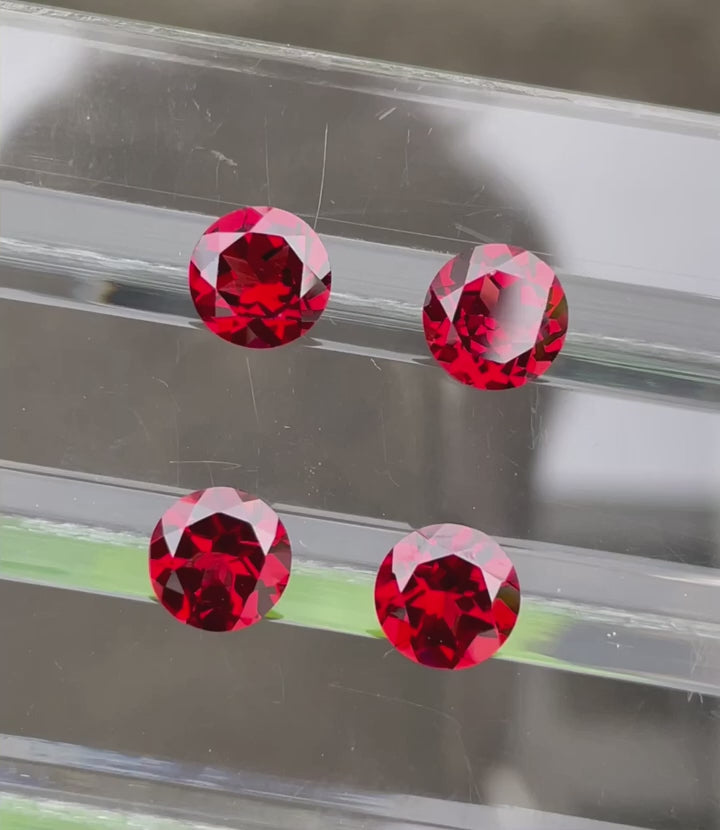
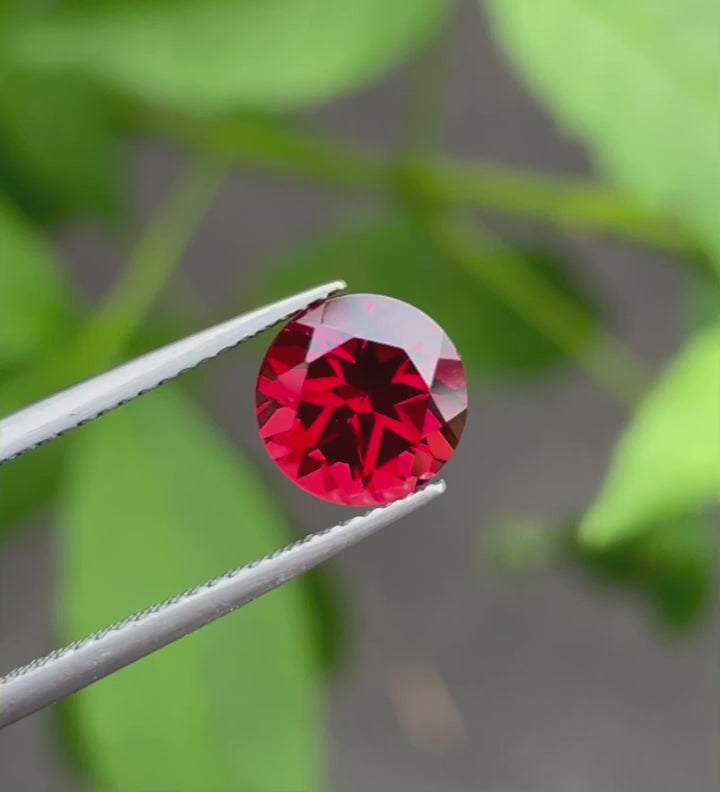
Brilliant Fancy Cut Red Garnet Stone - Red
Brilliant Fancy Cut Red Garnet Stone of 2.75 carats from Malawi has a wonderful cut in a Round shape, Red color, Great brilliance. This gem is SI Clarity. Product Information: Gemstone Name Brilliant Fancy Cut Red Garnet Stone Weight 2.75 carats Dimensions 8.6...- $290.00
- $290.00
- Unit price
- per
-
Red
-
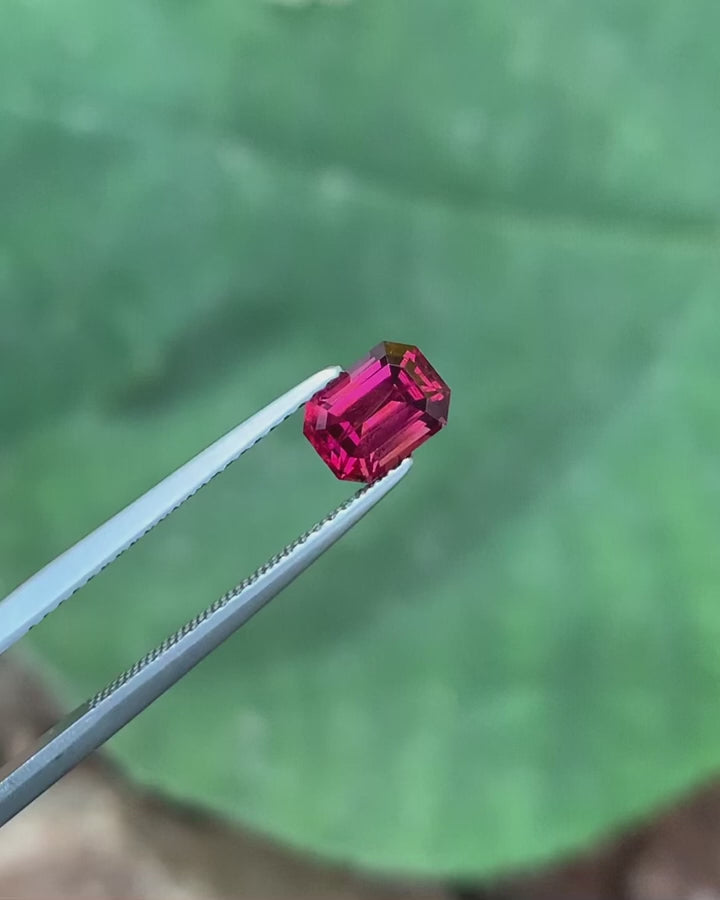
Natural Reddish Pink Malawi Garnet Stone - reddish_pink
Natural Reddish Pink Malawi Garnet Stone of 2.0 carats from Malawi has a wonderful cut in a Octagon shape, Reddish Pink color, Great brilliance. This gem is VVS Clarity. Product Information: Gemstone Name Natural Reddish Pink Malawi Garnet Stone Weight 2.0 carats Dimensions 7.42...- $305.00
- $305.00
- Unit price
- per
-
reddish_pink
-
Excellent Cut Red Garnet Stone - Red
Excellent Cut Red Garnet Stone, Available For Sale at Wholesale Price Natural High Quality 13.50 Carats Untreated Garnet Gemstone From Malawi. Product Information: Gemstone Name Excellent Cut Red Garnet Stone Weight 13.50 Carats Dimensions 8 x 8mm Origin Malawi Clarity Eye Clean Treatment...- $955.00
- $955.00
- Unit price
- per
-
Red
-
Natural Bright Red Rhodolite Garnet Set - Red
Natural Bright Red Rhodolite Garnet Set, Available For Sale at Wholesale Price Natural High Quality 8.90 Carats Untreated Garnet Gemstone From Malawi. Product Information: Gemstone Name Natural Bright Red Rhodolite Garnet Set Weight 8.90 Carats Dimensions 8 x 8mm Origin Malawi Clarity Eye...- $620.00
- $620.00
- Unit price
- per
-
Red
-
Imperial Bright Red Garnet Gemstone - Red
Imperial Bright Red Garnet Gemstone, Available For Sale At whole Sale Price Natural High Quality Loupe Clean Clarity 4.45 Carats Natural Garnet From Malawi. Product Information: Gemstone Name Imperial Bright Red Garnet Gemstone Weight 4.45 Carats Dimensions 8 x 8mm Shape Round Locality Round...- $345.00
- $345.00
- Unit price
- per
-
Red
-
Shiny Natural Red Garnet For Ring - Red
Shiny Natural Red Garnet For Ring, Available For Sale at Wholesale Price Natural High Quality 2.60 Carats Unheated Garnet Gemstone From Malawi. Product Information: Gemstone Name Shiny Natural Red Garnet For Ring Weight 2.60 Carats Dimensions 8 x 8mm Origin Malawi Clarity Eye...- $305.00
- $305.00
- Unit price
- per
-
Red
-
Nicely Pinkish Red Loose Garnet Stone - Pinkish Red
Nicely Pinkish Red Loose Garnet Stone, Available for sale at whole sale price natural high quality 1.05 carats Vss Clarity Natural Loose Garnet from Malawi. Product Information: Gemstone Name Nicely Pinkish Red Loose Garnet Stone Weight 1.05 carats Dimensions 6.7 x 4.9 x 3.7mm...- $155.00
- $155.00
- Unit price
- per
-
Pinkish Red
-
Incredible Orange Hessonite Garnet Gemstone - Orange
Incredible Orange Hessonite Garnet Gemstone , Available for sale at whole sale price natural high quality 2.90 carats Cloudy Inclusion Clarity Natural Loose Garnet from Madagascar. Product Information: Gemstone Name Incredible Orange Hessonite Garnet Gemstone Weight 2.90 carats Dimensions 8 x 8 x 5.8 mm...- $120.00
- $120.00
- Unit price
- per
-
Orange
-
Marvelous Red Umbalite Garnet Gemstone - Red
Marvelous Red Umbalite Garnet Gemstone, Available for sale at whole sale price natural high quality 1.50 carats SI Clarity Natural Loose Garnet from Tanzania. Product Information: Gemstone Name Marvelous Red Umbalite Garnet Gemstone Weight 1.50 carats Dimensions 6.5 x 5.6 x 4.2 mm Origin...- $150.00
- $150.00
- Unit price
- per
-
Red
-
Bright Pinkish Red Garnet stone - Pinkish Red
Bright Pinkish Red Garnet stone, Available for sale at whole sale price natural high quality 2.10 carats Vvs Clarity Loose Garnet from Malawi. Product Information: Gemstone Name Bright Pinkish Red Garnet stone Weight 2.10 carats Dimensions 7.3 x 6.7 x 4.8 mm Origin Malawi...- $275.00
- $275.00
- Unit price
- per
-
Pinkish Red
-
Excellent Bright Red Cut Garnet - Red
Excellent Bright Red Cut Garnet, Available for sale at whole sale price natural high quality 2.50 carats Vvs Clarity Loose Garnet from Malawi. Product Information: Gemstone Name Excellent Bright Red Cut Garnet Weight 2.50 carats Dimensions 8.7 x 7.2 x 5.1mm Origin Malawi Clarity...- $300.00
- $300.00
- Unit price
- per
-
Red
-
Incredible Pinkish Red Garnet Stone - Pinkish Red
Incredible Pinkish Red Garnet Stone, Available for sale at whole sale price natural high quality 3.05 carats Vvs Clarity Loose Garnet from Malawi. Product Information: Gemstone Name Incredible Pinkish Red Garnet Stone Weight 3.05 carats Dimensions 8.5 x 7.6 x 5.6 mm Origin Malawi...- $266.00
- $266.00
- Unit price
- per
-
Pinkish Red
-
Incredible Hot Pink Garnet Gemstone - Pink
Incredible Hot Pink Garnet Gemstone of 1.40 carats from Malawi has a wonderful cut in a Octagon shape, incredible Red color, Great brilliance. This gem is Eye Clean Clarity. Product Information: Gemstone Name Incredible Hot Pink Garnet Gemstone Weight 1.40 carats Dimensions 6.5...- $150.00
- $150.00
- Unit price
- per
-
Pink
-
Perfect Red Malawian Garnet Stone - Red
Perfect Red Malawian Garnet Stone of 1.10 carats from Malawi has a wonderful cut in a Octagon shape, incredible Red color, Great brilliance. This gem is Eye Clean Clarity. Product Information: Gemstone Name Perfect Red Malawian Garnet Stone Weight 1.10 carats Dimensions 6.5...- $85.00
- $85.00
- Unit price
- per
-
Red
-
Beautiful Bright Red Natural Garnet Gemstone - Red
Beautiful Bright Red Natural Garnet Gemstone of 2.80 carats from Malawi has a wonderful cut in a Decagon shape, incredible Red color, Great brilliance. This gem is totally Eye-Clean Clarity. Product Information: Gemstone Name Beautiful Bright Red Natural Garnet Gemstone Weight 2.80 carats...- $310.00
- $310.00
- Unit price
- per
-
Red
-
Superb Bright Red Rhodolite Garnet - Red
Superb Bright Red Rhodolite Garnet of 2.45 carats from Malawi has a wonderful cut in a Octagon shape, incredible Red color, Great brilliance. This gem is totally Eye-Clean Clarity. Product Information: Gemstone Name Superb Bright Red Rhodolite Garnet Weight 2.45 carats Dimensions 8...- $155.00
- $155.00
- Unit price
- per
-
Red
-
Natural Malawi Loose Garnet - Pink
Natural Malawi Loose Garnet, available for sale at wholesale price, natural high quality, 1.90 carats loose garnet gemstone from Malawi. Product Information: Gemstone Name Natural Malawi Loose Garnet Weight 1.90 carats Dimensions 7.2 x 6.1 x 4.8 mm Origin Malawi Clarity SI Treatment None...- $200.00
- $200.00
- Unit price
- per
-
Pink
-
Soft Red Malawi Garnet Stone Jewelry - Red
Soft Red Malawi Garnet Stone Jewelry, available for sale at wholesale price, natural high quality, 1.45 carats loose garnet gemstone from Malawi. Product Information: Gemstone Name Soft Red Malawi Garnet stone jewelry Weight 1.58 carats Dimensions 6.5 x 6.0 x 4.5 mm Origin Malawi...- $155.00
- $155.00
- Unit price
- per
-
Red
-
Bright Red Garnet Loose Gemstone - Red
Bright Red Garnet Loose Gemstone, available for sale at wholesale price natural high quality, 2.95 carats loose garnet gemstone from Africa. Product Information: Gemstone Type Bright Red Garnet Loose Gemstone Weight 2.95 carats Dimensions 10.0 x 7.2 x 5.8 mm Clarity SI Shape Pear...- $165.00
- $165.00
- Unit price
- per
-
Red
-
Dazzling Malawi Garnet Gemstone - Pinkish Red
Dazzling Malawi Garnet Gemstone, available for sale at wholesale price, Flawless loupe clean clarity, emerald cut, Rectangular shape 4.95 carats loose certified Garnet from Malawi. Product Information: Gemstone Type Dazzling Malawi Garnet Gemstone Weight 4.95 carats Dimensions 11.2 x 8.5 x 5.3 mm Clarity...- $480.00
- $480.00
- Unit price
- per
-
Pinkish Red
-
Nicely Bright Red Garnet Loose Gemstone - Red
Nicely Bright Red Garnet Loose Gemstone, available for sale at wholesale price, flawless SI clarity, loose gemstone, 2.00 carats certified garnet gemstone from Malawi. Product Information: Gemstone Type Nicely Bright Red Garnet Loose Gemstone Weight 2.00 carats Dimensions 7.6 x 5.7 x 4.6 mm...- $145.00
- $145.00
- Unit price
- per
-
Red
-
Hot Pink Loose Rhodolite Garnet Gemstone - Pink
Hot Pink Rhodolite Garnet Gemstone, available for sale at wholesale price, flawless SI clarity, loose gemstone, 4.17 carats, certified garnet gemstone from Africa. Hot Pink Rhodolite Garnet Gemstone Information: Gemstone Type Hot Pink Rhodolite Garnet Gemstone Weight 4.17 carats Dimensions 10.9 x 7.8 x...- $310.00
- $310.00
- Unit price
- per
-
Pink
-
Intense Red Natural Rhodolite Garnet Gemstone - Red
Intense Red Natural Rhodolite Garnet Gemstone, available for sale at wholesale price, loose gemstone, certified garnet gemstone from Malawi. Intense Red Natural Rhodolite Garnet Gemstone Information: Gemstone Type Intense Red Natural Rhodolite Garnet Gemstone Weight 3.80 carats Dimensions 8.3 x 8.2 x 6.2 mm...- $360.00
- $360.00
- Unit price
- per
-
Red
-
Pinkish Red Natural Garnet Gemstone - Red
Pinkish Red Natural Garnet Gemstone, available for sale at wholesale price, natural high-quality loose gemstone, 3.02 carats certified garnet gemstone from Africa. garnet ring, garnet jewelry Pinkish Red Natural Garnet Gemstone Information: Gemstone Type Pinkish Red Natural Garnet Gemstone Weight 3.02 carats Dimensions 8.9...- $245.00
- $245.00
- Unit price
- per
-
Red
-
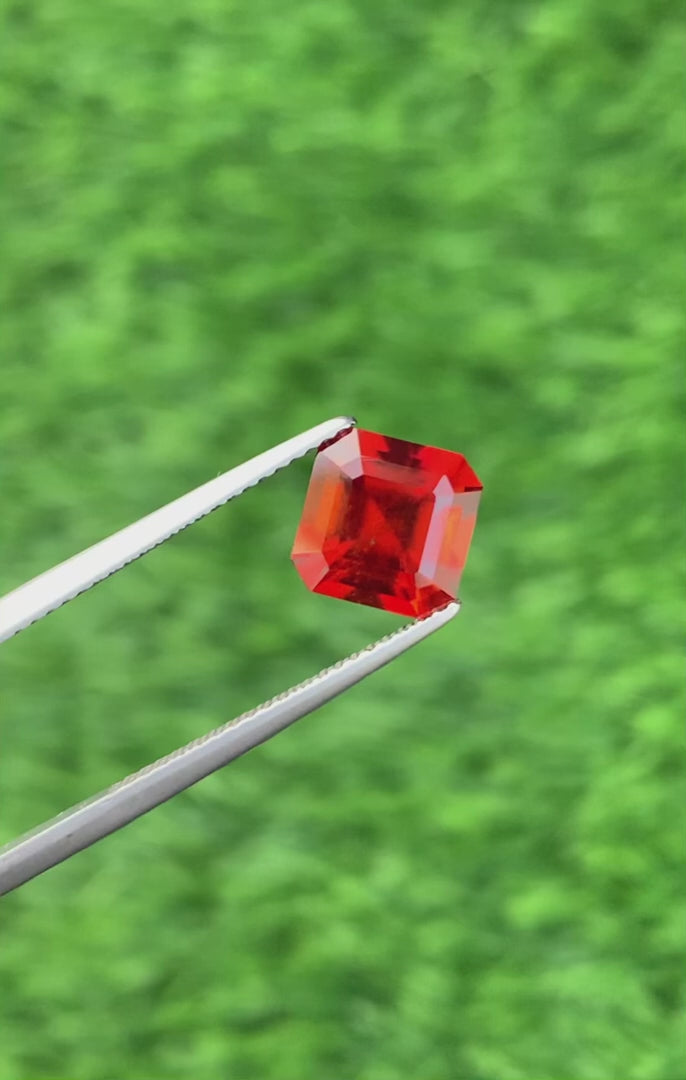
3.06 Carats Natural Cherry Red Garnet - Red
3.06 Carats Natural Cherry Red Garnet is for sale at wholesale price from Africa. Product Information: Gemstone Type Natural Cherry Red Garnet Weight 3.06 carats Dimensions 8.9 x 7.4 x 5.1 mm Clarity VVS Shape Asscher Cut Origin Africa Treatment None Description: The name...- $210.00
- $210.00
- Unit price
- per
-
Red
-
3.60 carats Rich Carmine Red Garnet - Red
3.60 carats Rich Carmine Red Garnet is available for sale at wholesale price from Tanzania. Product Information: Gemstone Type Rich Carmine Red Garnet Weight 3.60 carats Dimensions 10.4 x 6.6 x 5.1 mm Clarity Slightly Included (SI) Shape Asscher Cut Origin Tanzania Treatment None...- $210.00
- $210.00
- Unit price
- per
-
Red
-
5.03 carats Faceted Magenta Red Garnet - Pink
5.03 carats Faceted Magenta Red Garnet is available for sale at wholesale price from Madagascar. Product Information: Gemstone Type Faceted Magenta Red Garnet Weight 5.03 carats Dimensions 9.1 x 9.0 x 6.8 mm Clarity Slightly Included (SI) Shape Fancy Cut Origin Madagascar Treatment None...- $380.00
- $380.00
- Unit price
- per
-
Pink
-
4.15 carats Fiery Orange Mali Garnet - Orange
4.15 carats Fiery Orange Mali Garnet is available for sale at wholesale price from Mali. Product Information: Gemstone Type Fiery Orange Mali Garnet Weight 4.15 carats Dimensions 8.7 x 8.5 x 6.5 mm Clarity VVS Shape Asscher Cut Origin Mali Treatment None Description: The...- $885.00
- $885.00
- Unit price
- per
-
Orange
-
2.65 carats Faceted Raspberry Rhodolite Garnet - Red
2.65 carats Faceted Raspberry Rhodolite Garnet is available for sale at wholesale price from Madagascar. Product Information: Gemstone Type Faceted Raspberry Rhodolite Garnet Weight 2.65 carats Dimensions 8.9 x 6.7 x 4.9 mm Clarity Slightly Included (SI) Shape Asscher Cut Origin Madagascar Treatment None...- $185.00
- $185.00
- Unit price
- per
-
Red
-
4.05 Carats Torch Red Rhodolite Garnet - Red
4.05 Carats Torch Red Rhodolite Garnet which is available for sale at wholesale price from Africa. Product Information: Gemstone Type Torch Red Rhodolite Garnet Weight 4.05 carats Dimensions 10.0 x 7.4 x 5.3 mm Clarity Eye Clean Shape Top Bar Pixel Cut Origin Africa...- $210.00
- $210.00
- Unit price
- per
-
Red
-
2.95 Carats Faceted Ribbon Red Garnet - Red
2.95 Carats Faceted Ribbon Red Garnet which is available for sale at wholesale price from Tanzania. Product Information: Gemstone Type Faceted Ribbon Red Garnet Weight 2.95 carats Dimensions 8.7 x 8.2 x 5.4 mm Clarity Eye Clean Shape Fancy Cut Origin Tanzania Treatment None...- $185.00
- $185.00
- Unit price
- per
-
Red
Free Shipping on order over $80
100% Authentic & Certified
Save Big in 2026
Garnet Gemstones
Garnet gemstones offer far more variety than the familiar dark red stone many buyers first picture. The garnet group includes gems in red, burgundy, raspberry, purple, pink, orange, yellow, green, brown, and other colors, with individual varieties differing considerably in rarity, appearance, price, and availability.

Sidebar

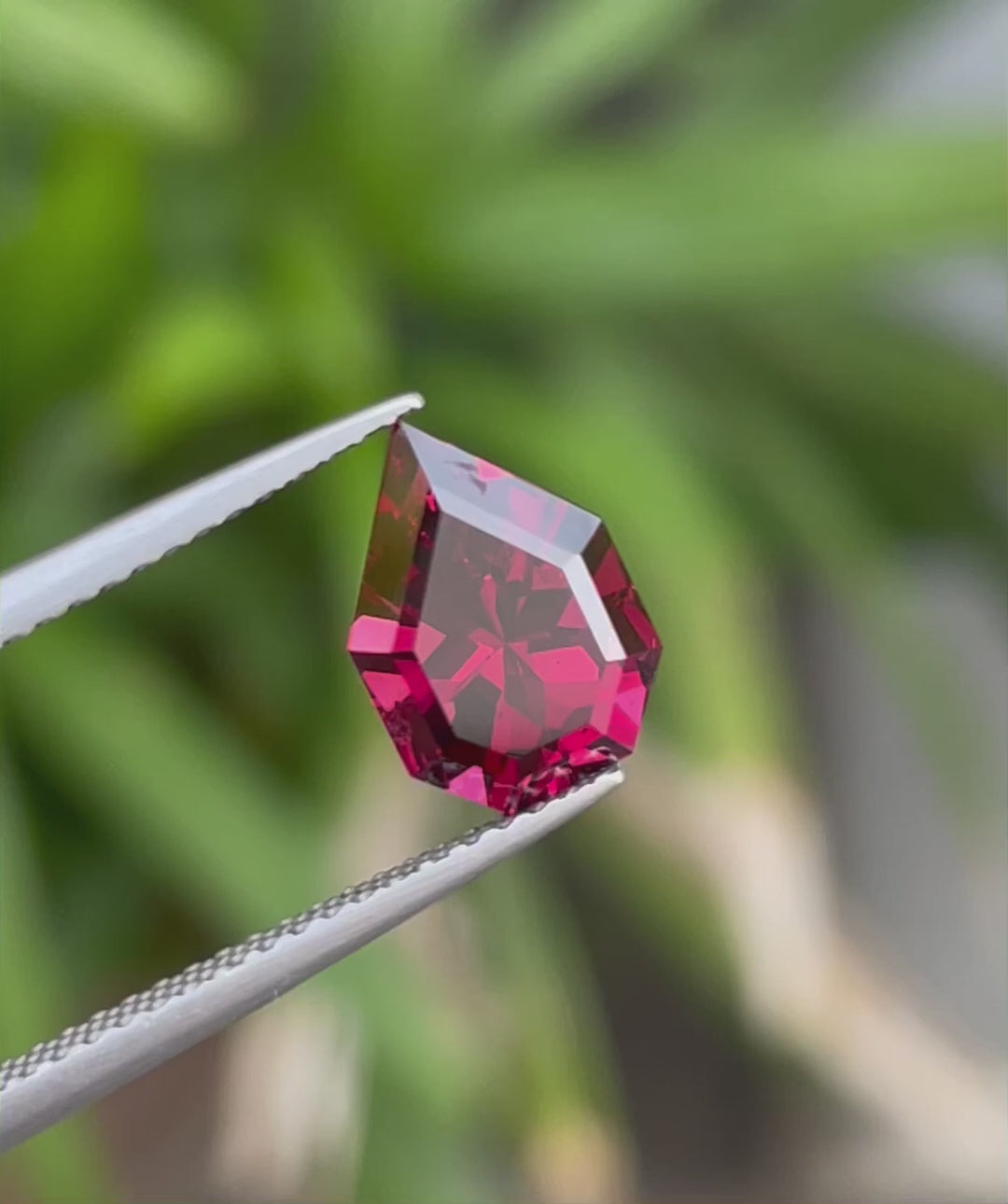

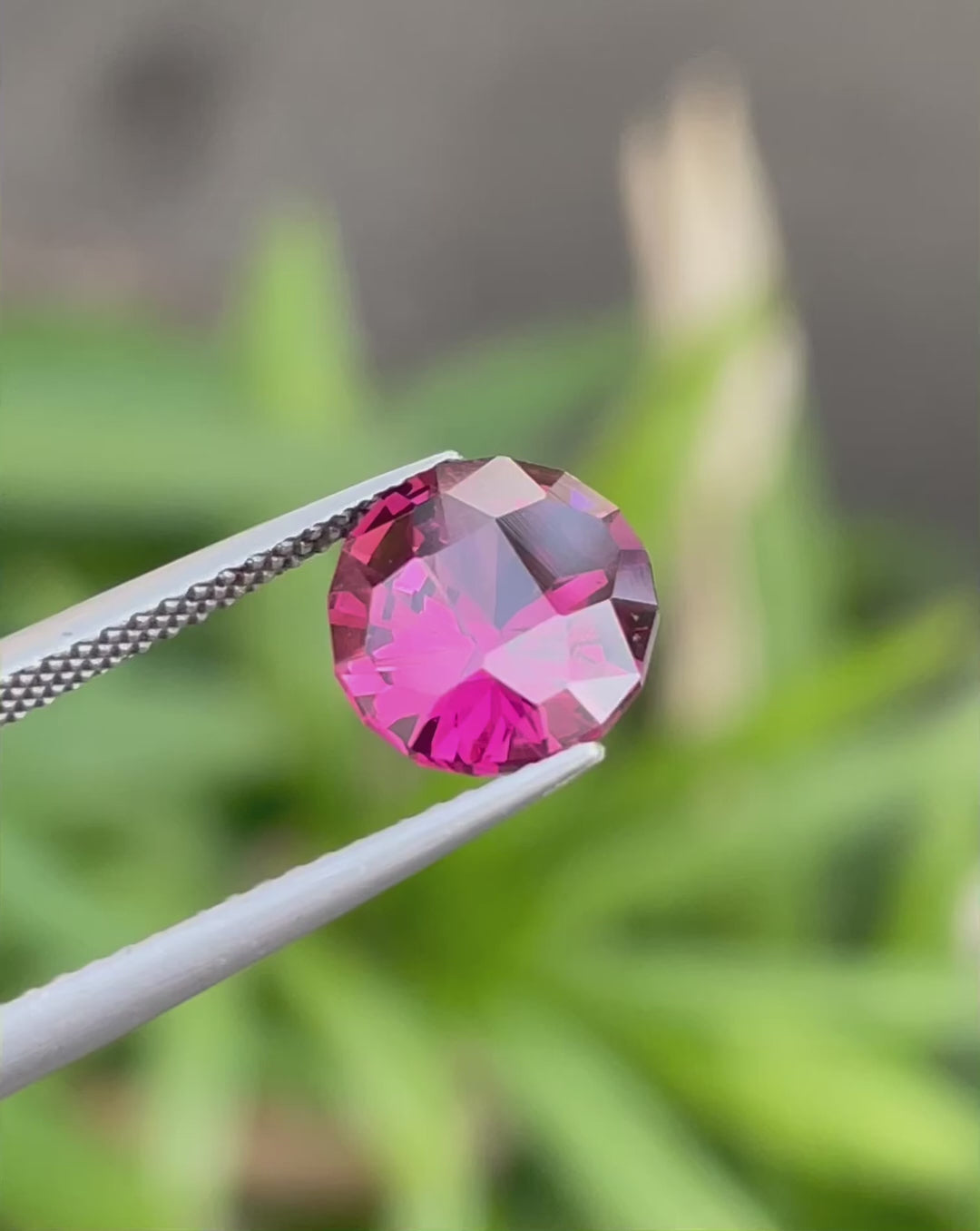

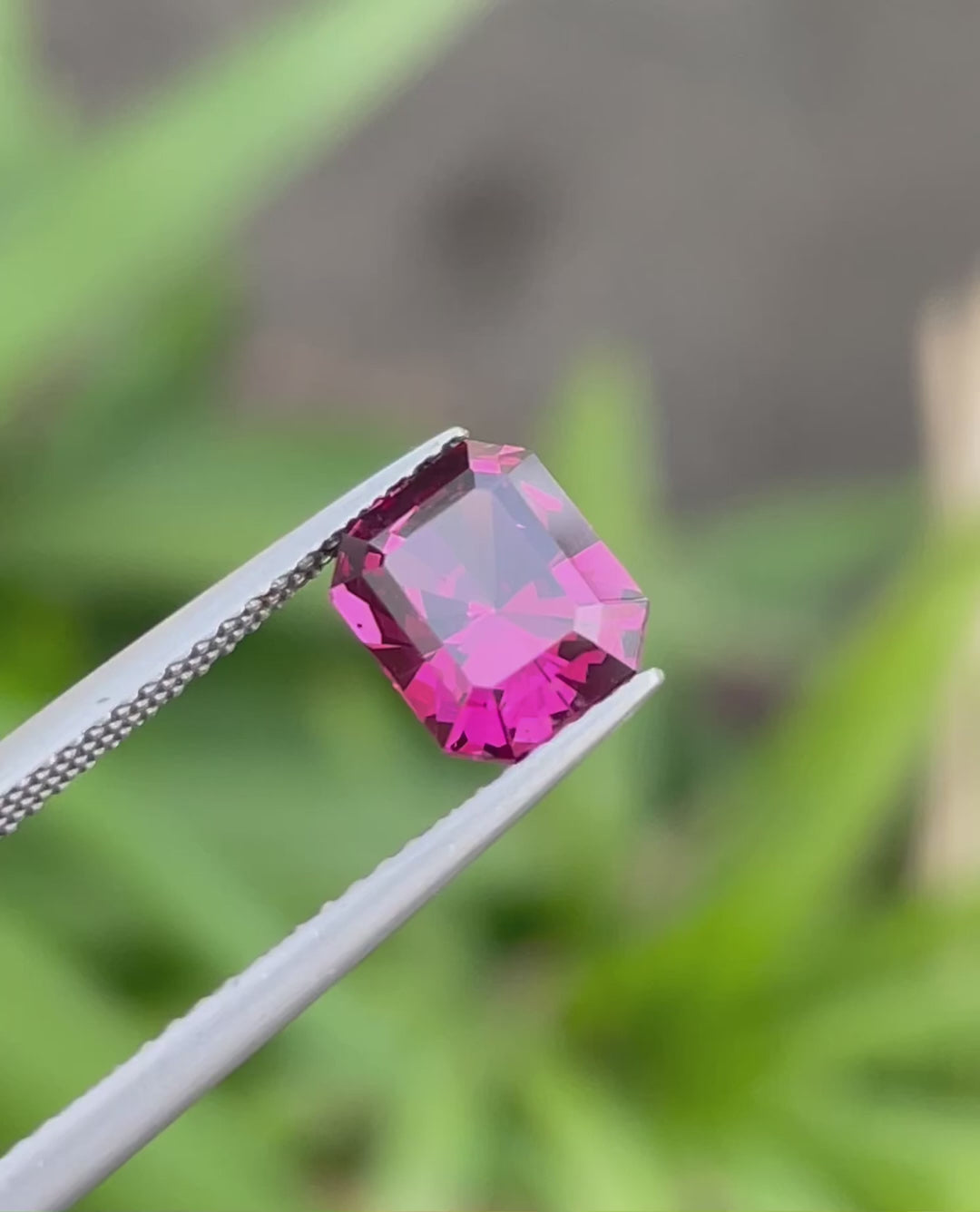

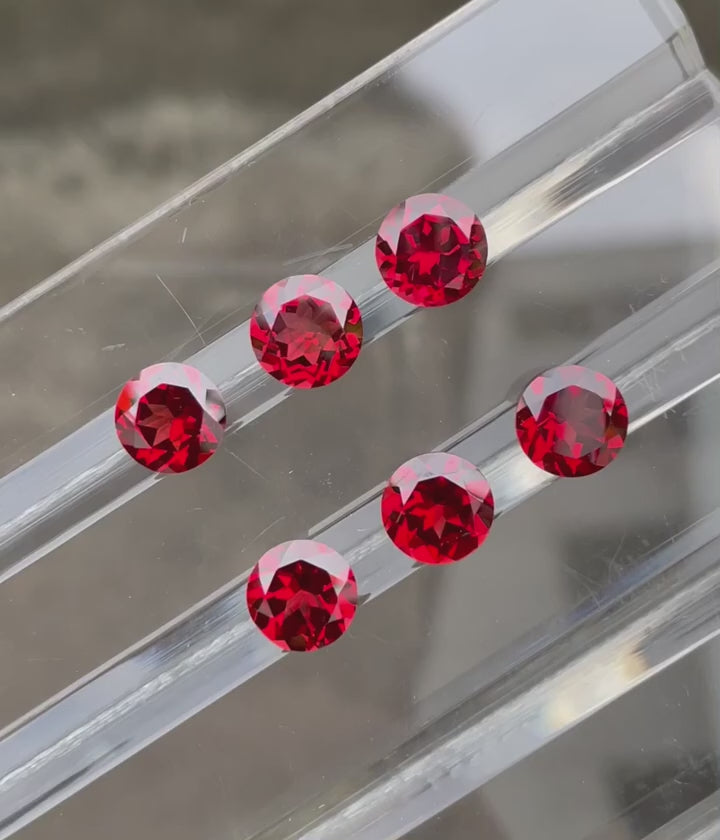






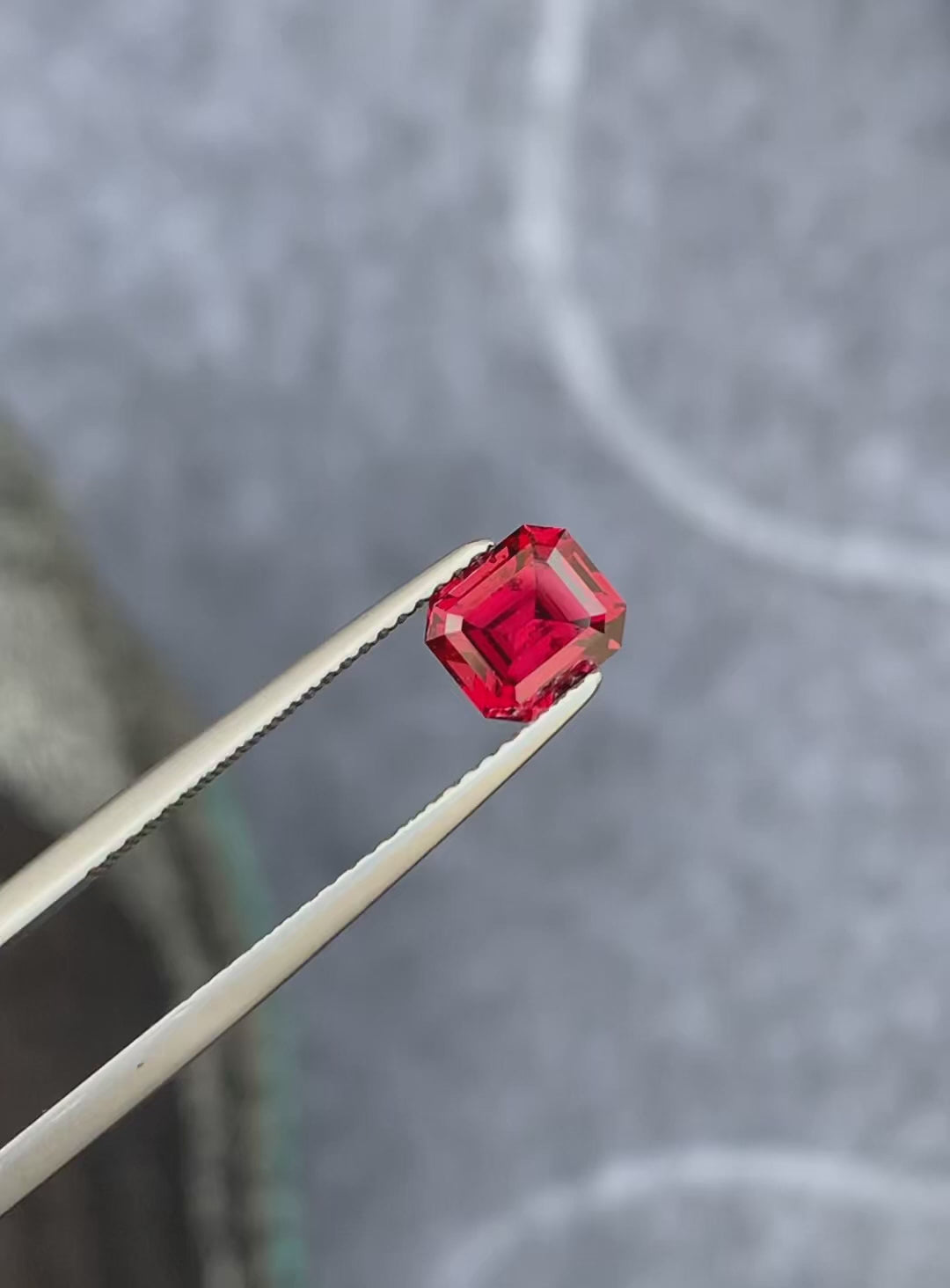

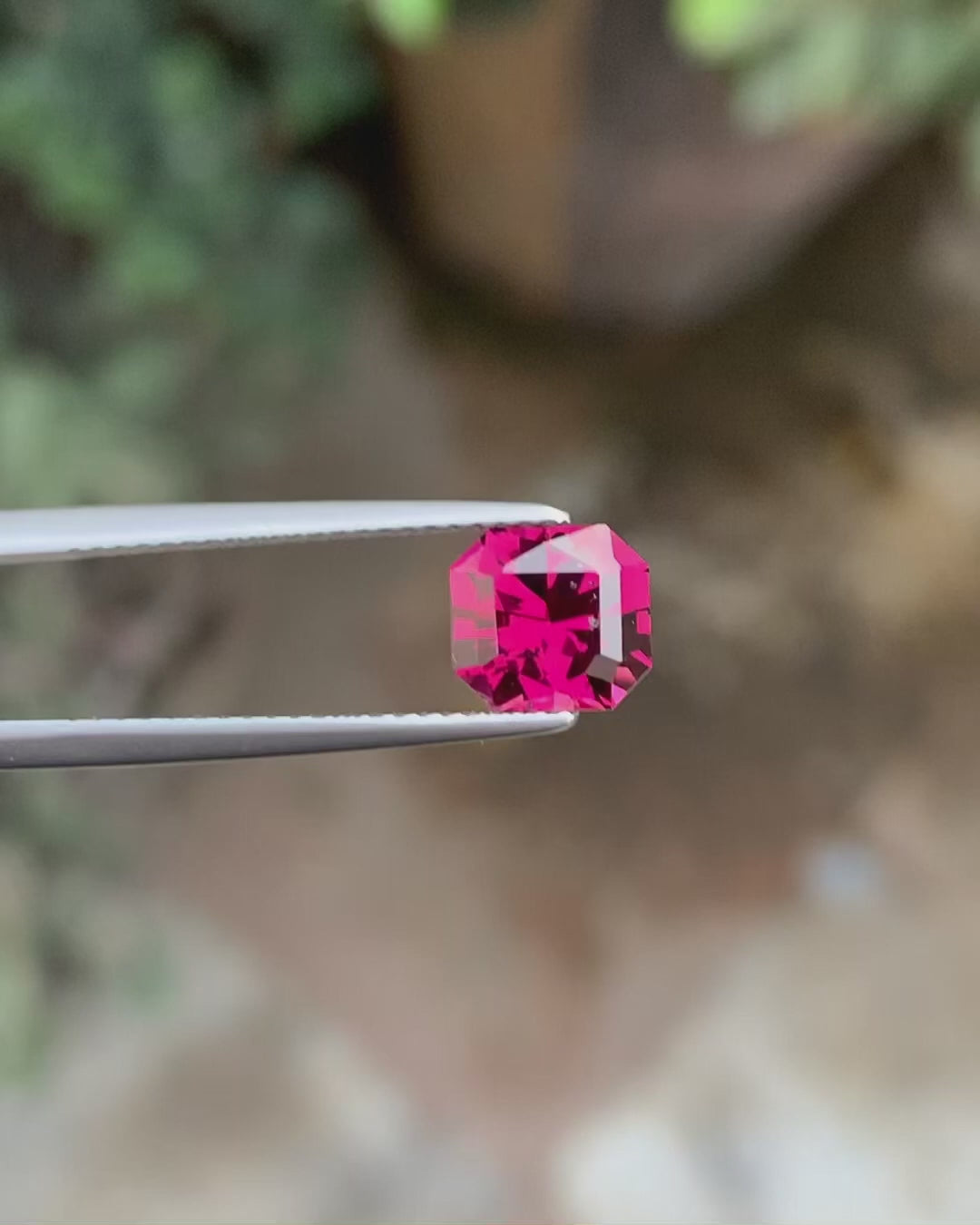

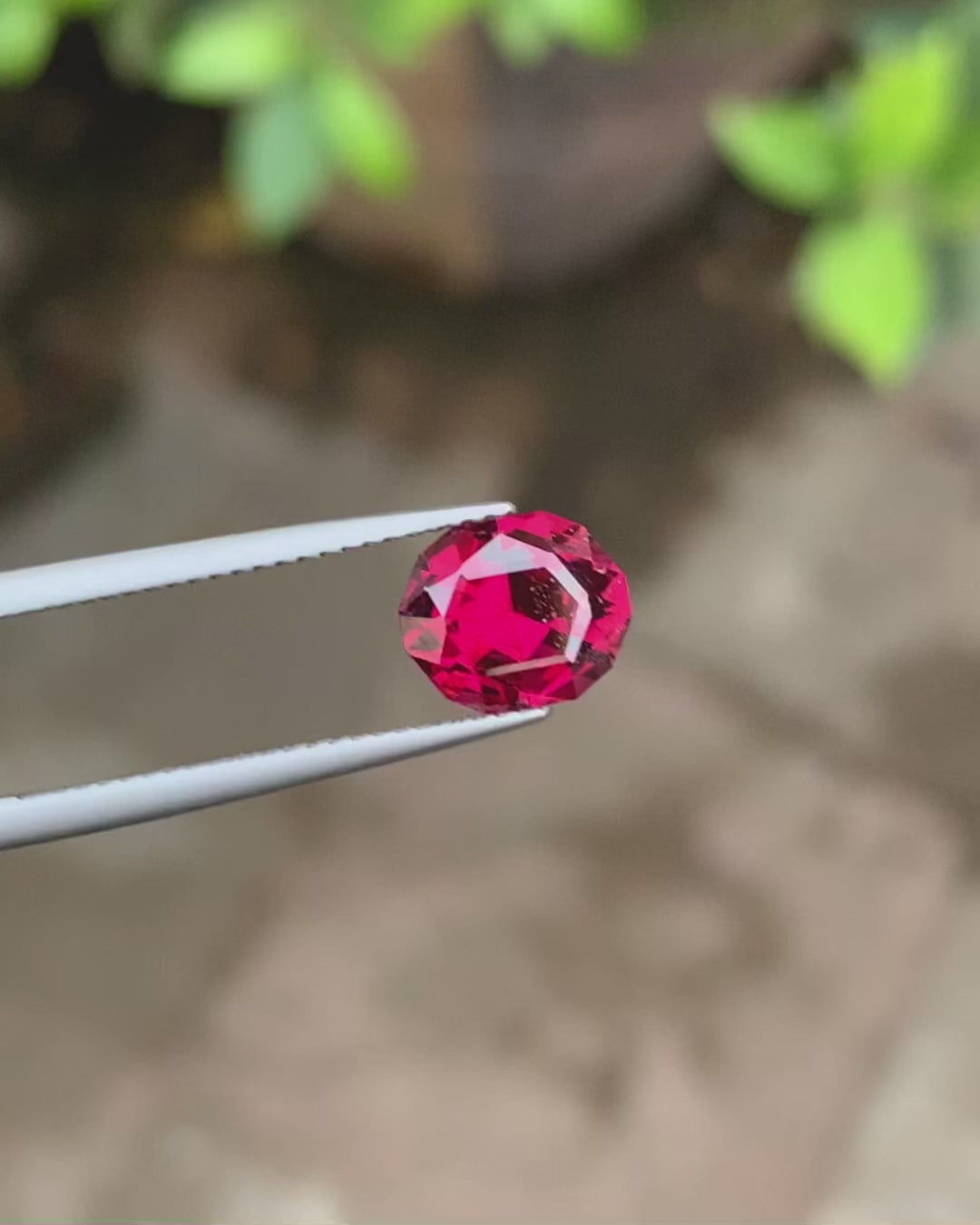

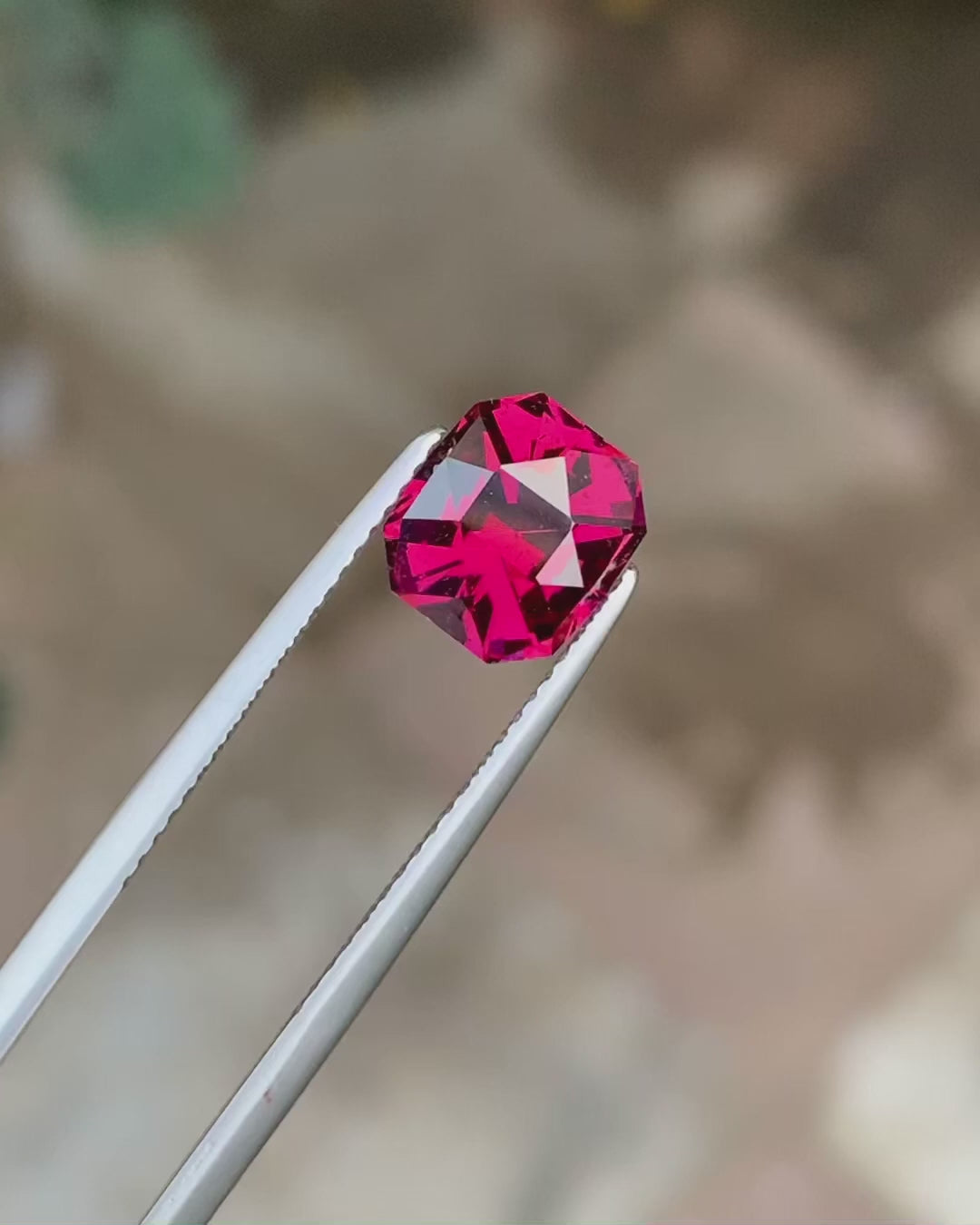

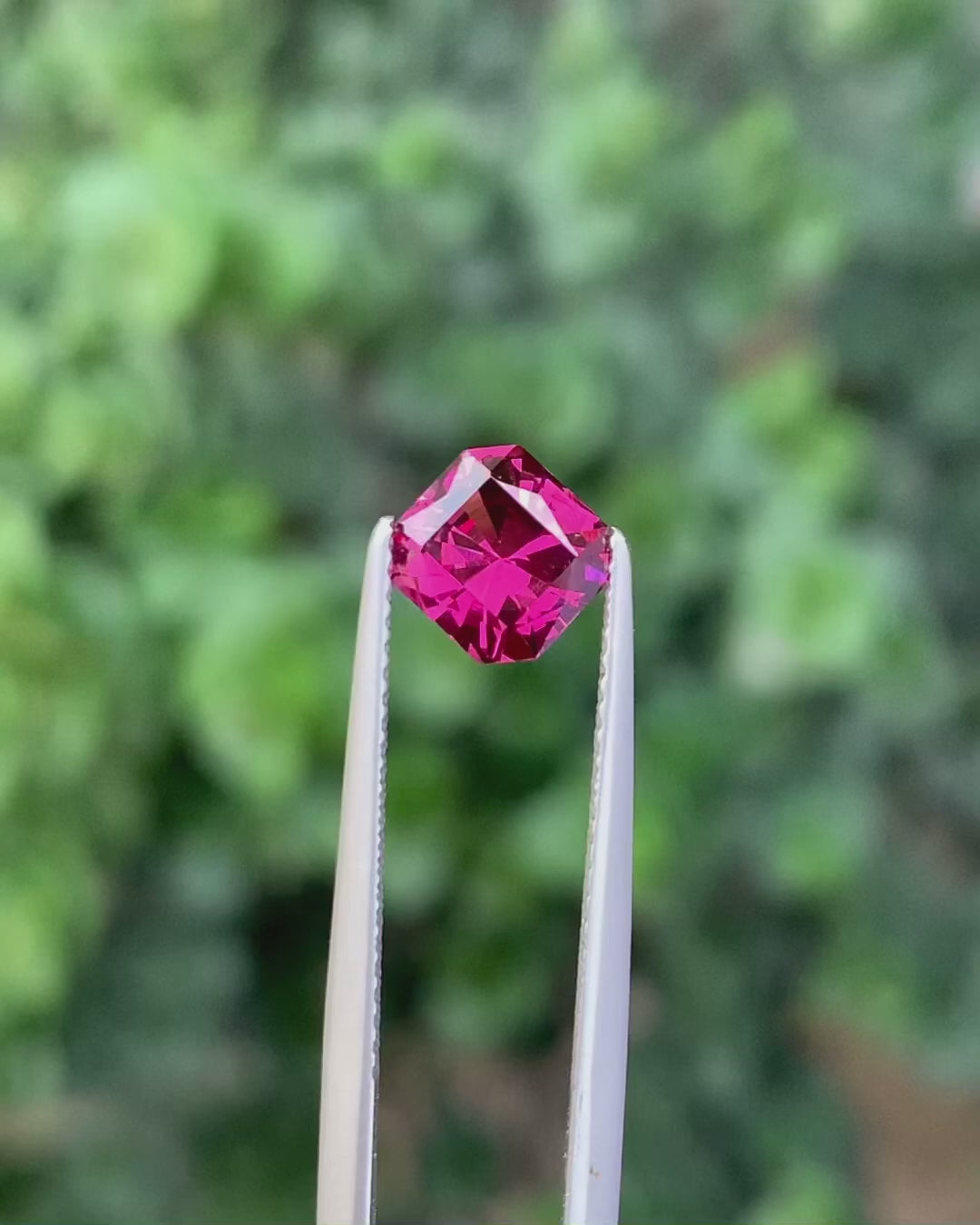

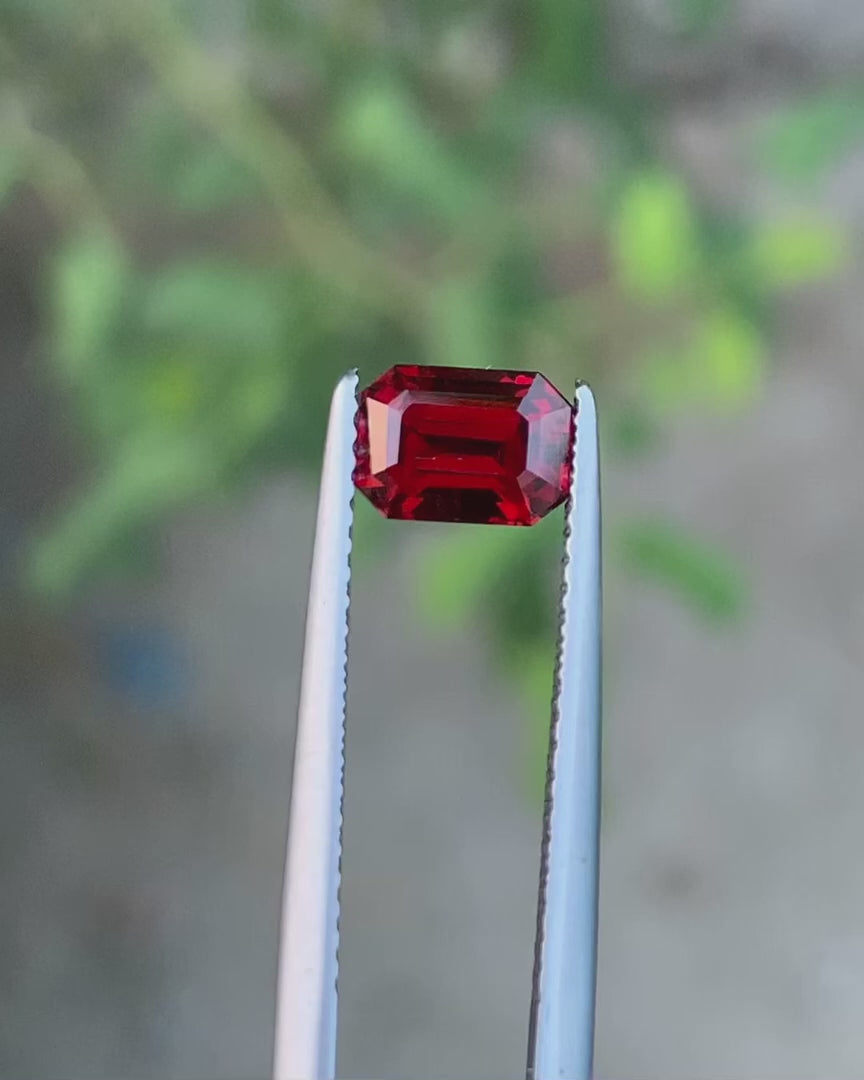

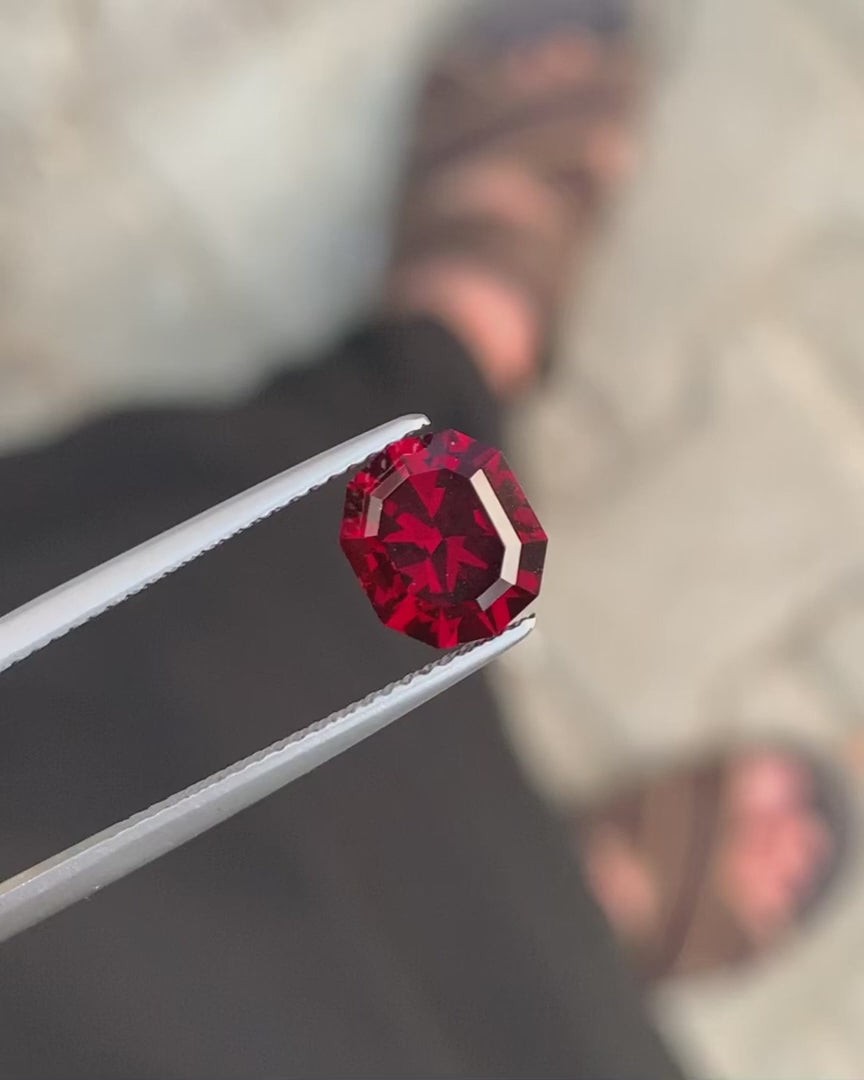

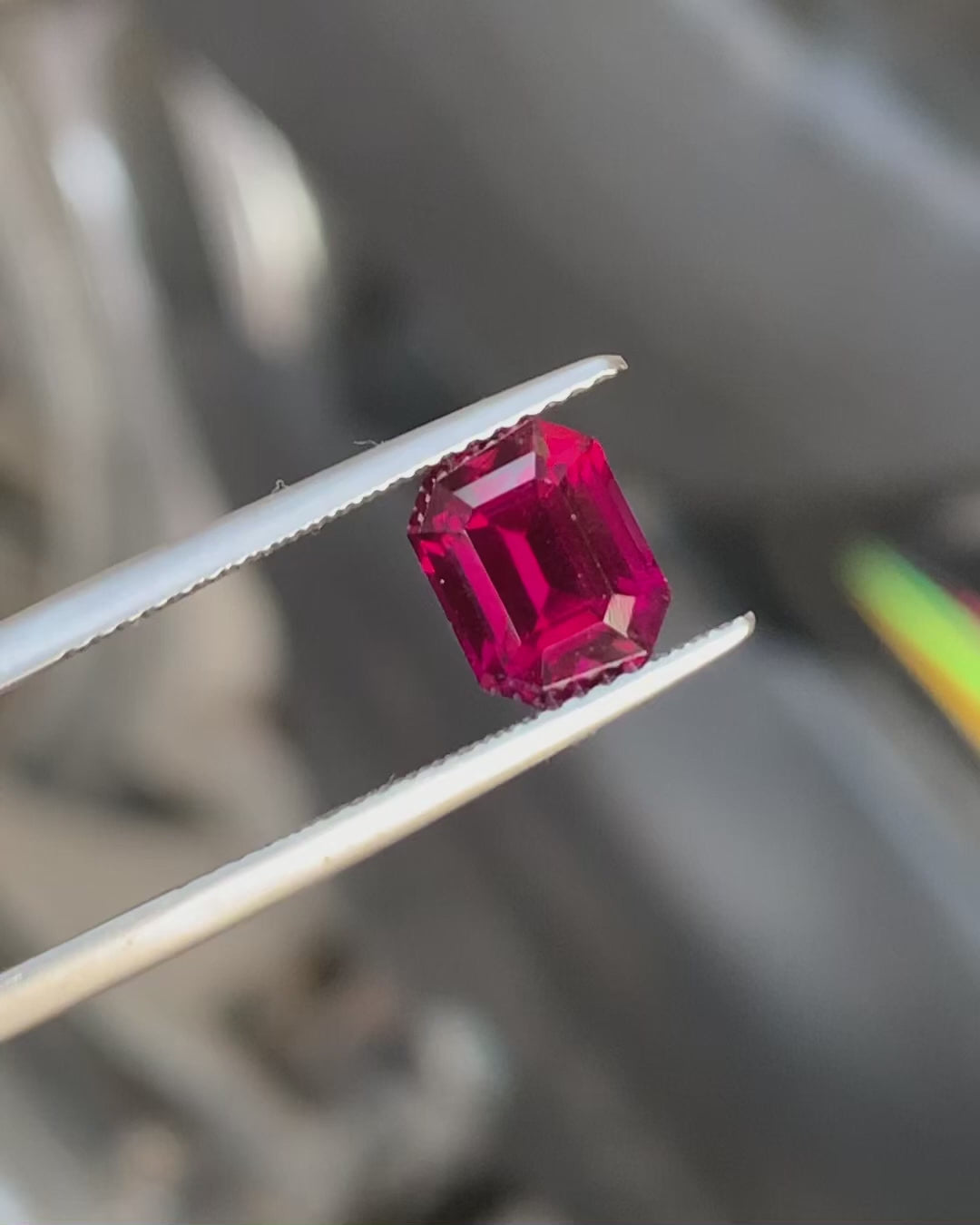

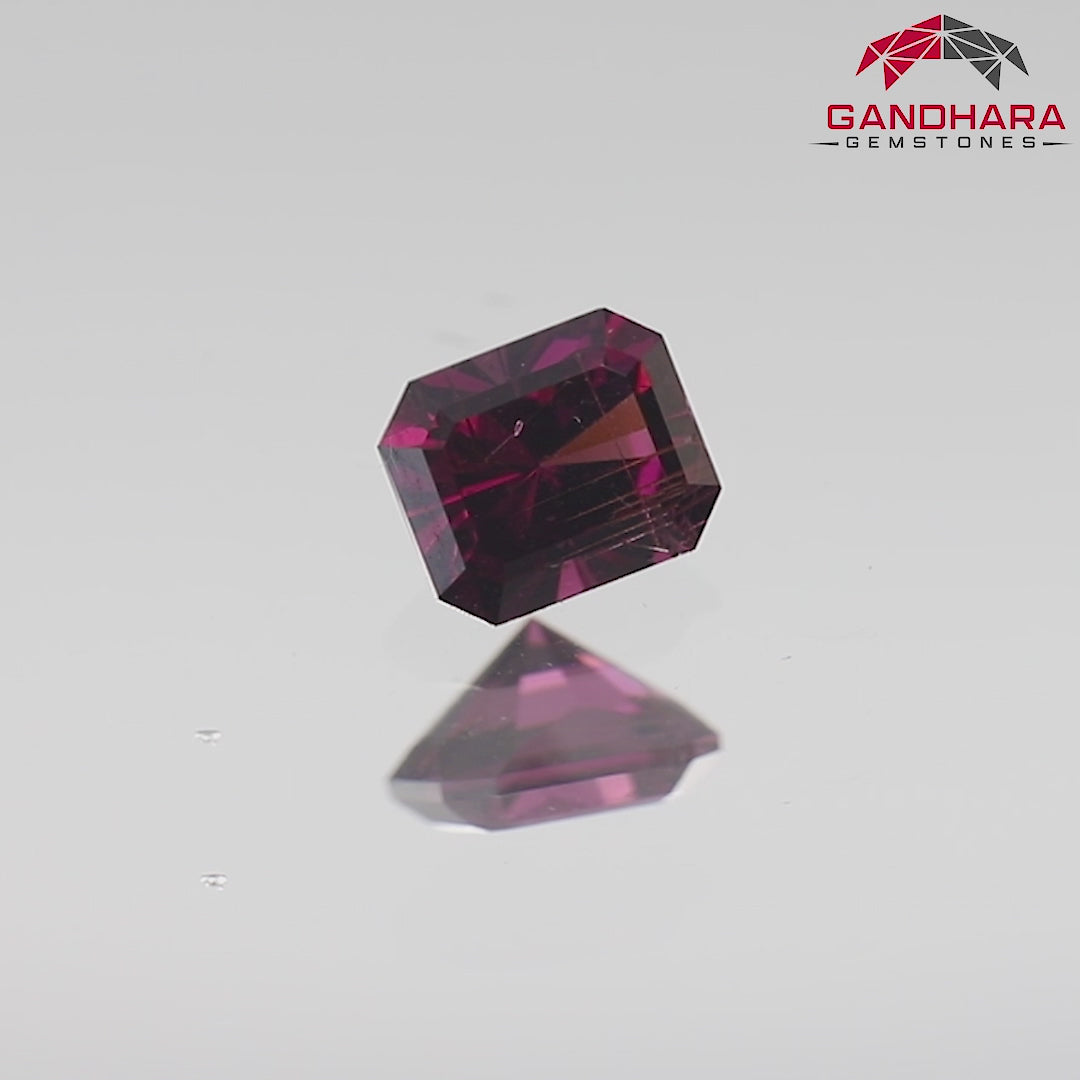

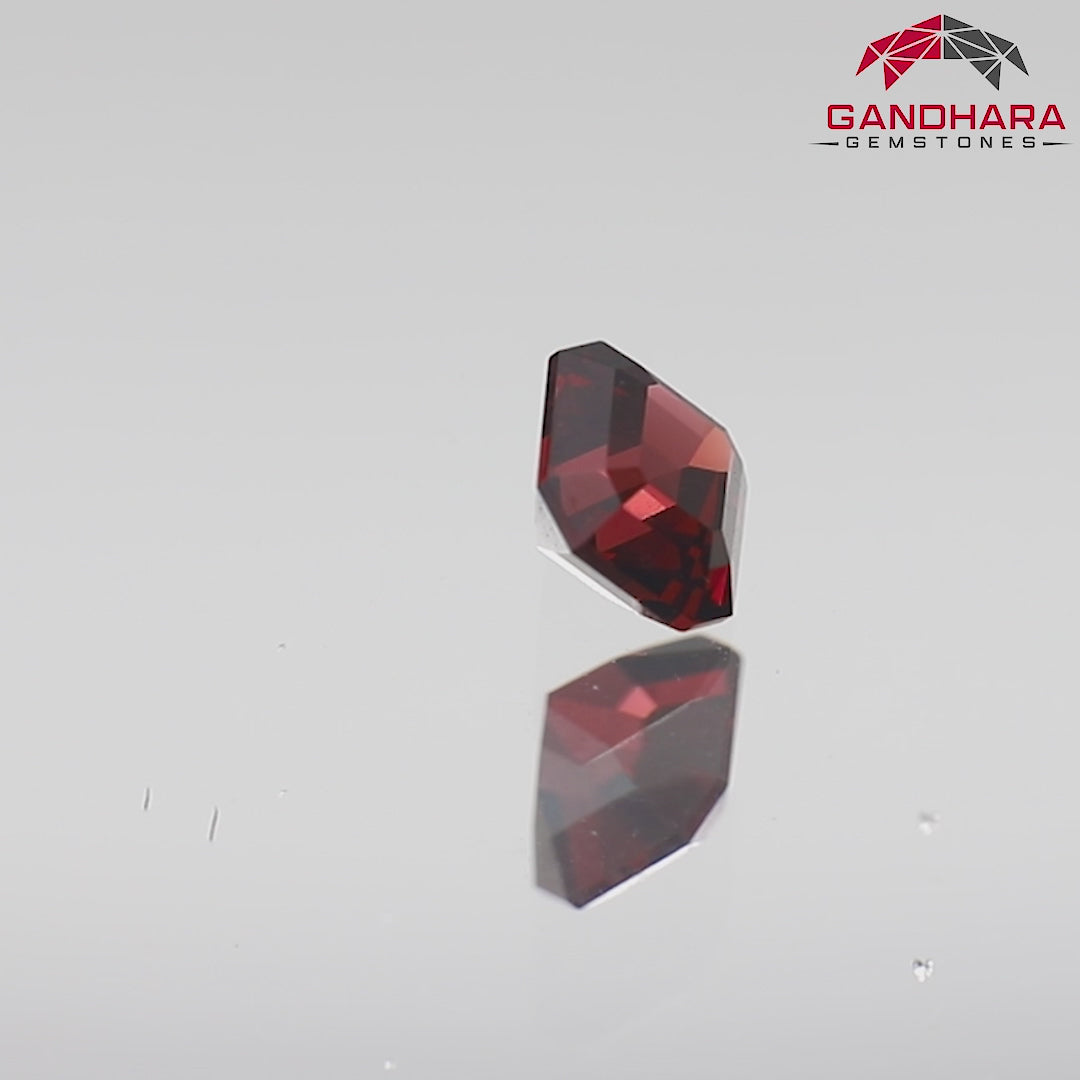

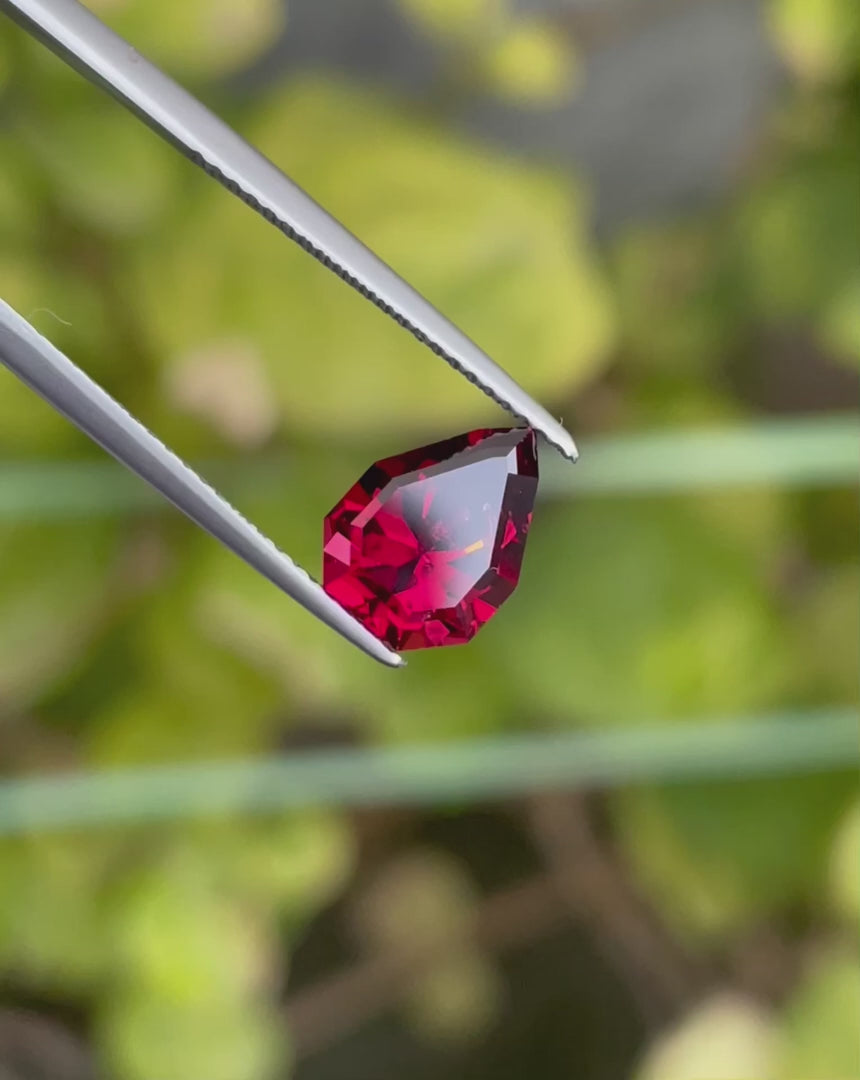

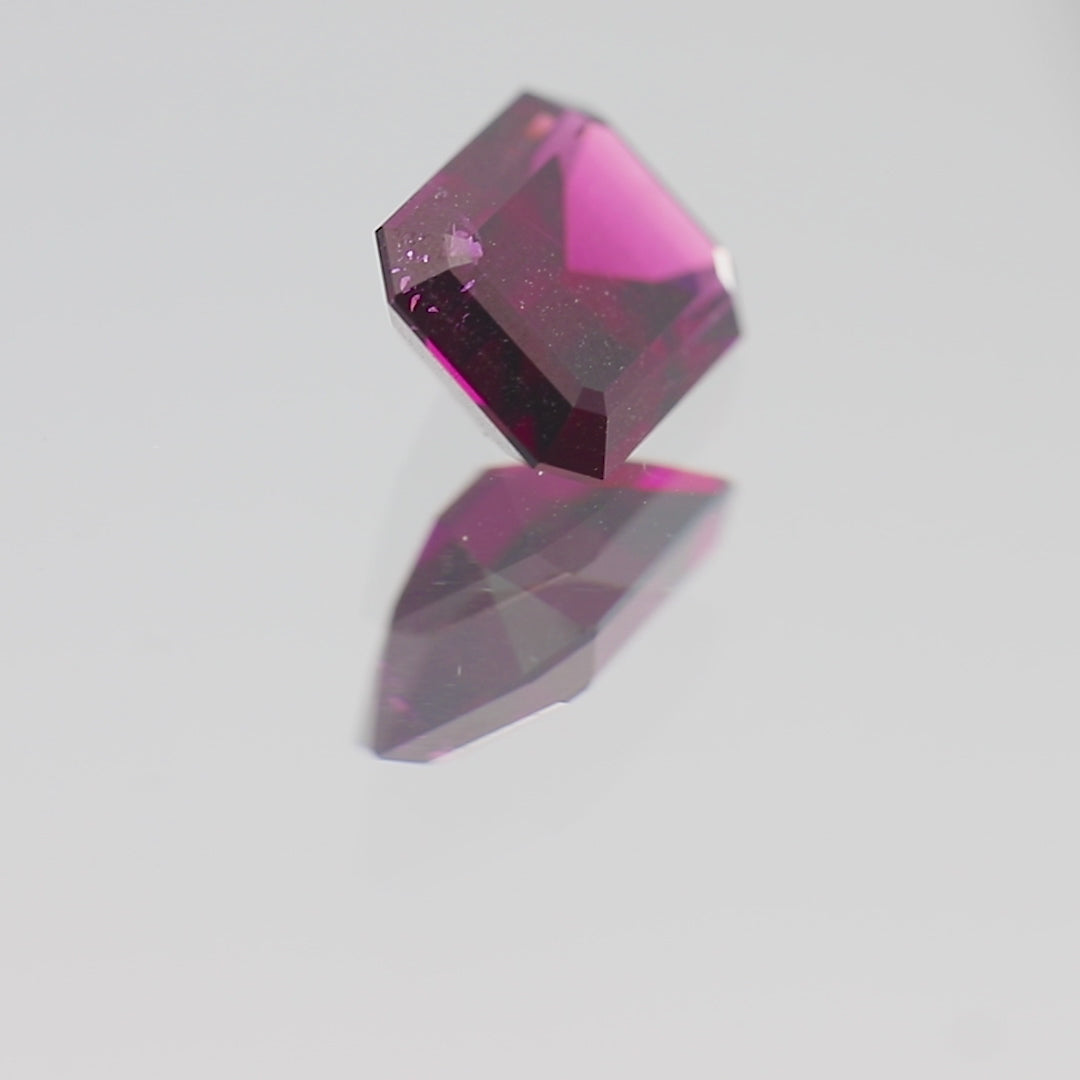

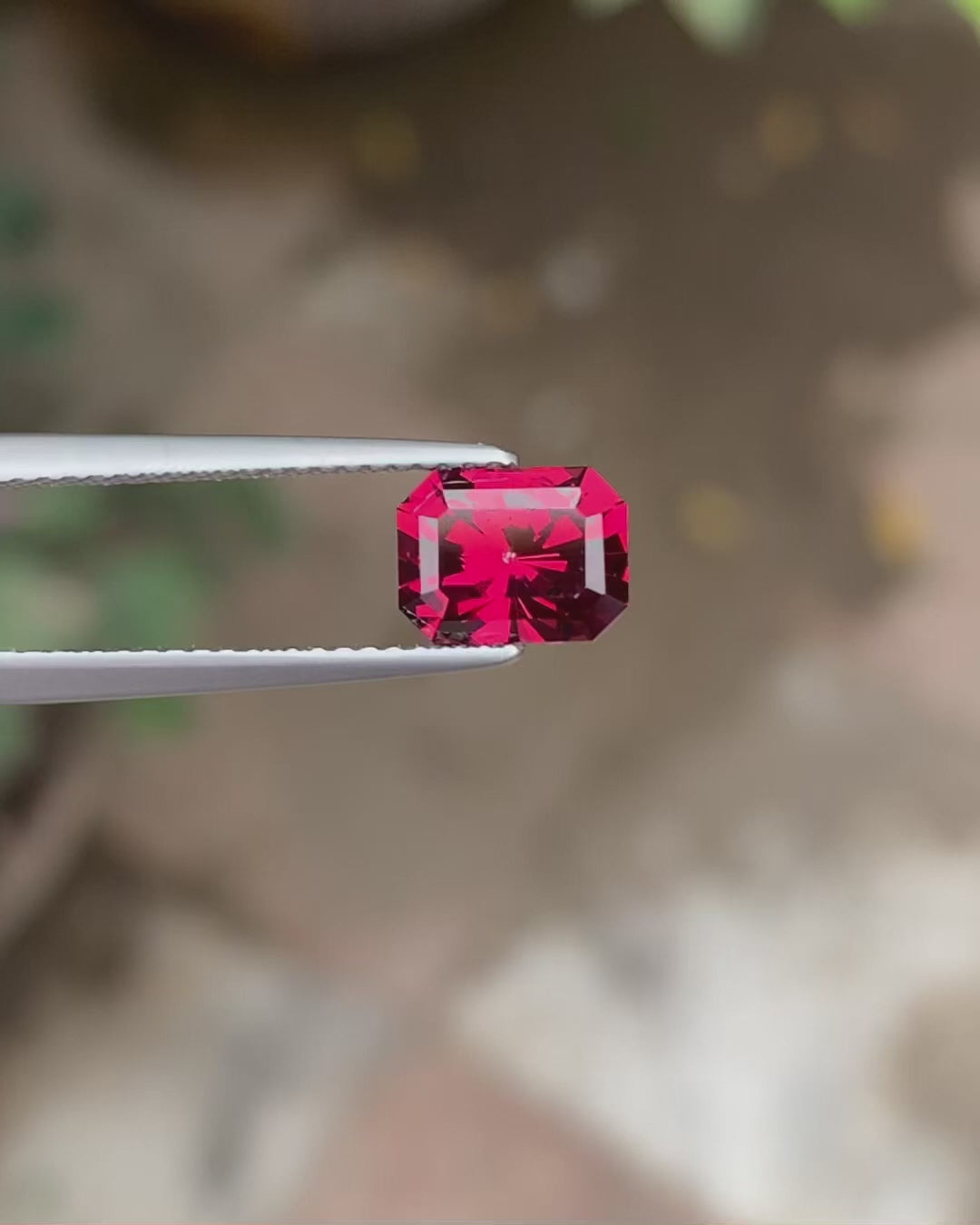


When choosing garnet, color is usually the first feature to notice, but it should be considered together with brightness, clarity, cut, carat weight, dimensions, and the exact garnet variety. A richly colored stone can lose much of its appeal if the cut makes it appear overly dark, while a lighter garnet with strong brilliance may look considerably more lively once set into jewelry.
Buyers comparing garnet with other finished stones can place it alongside the full selection of loose gemstones. Within garnet itself, the most useful comparison is between stones of similar variety and quality rather than assuming every garnet belongs to the same market.
Garnet Is a Gemstone Group, Not a Single Stone
The word garnet describes a group of closely related minerals rather than one mineral species. Important gem garnets include almandine, pyrope, spessartine, grossular, andradite, and combinations between these members.
That chemistry creates much of garnet's remarkable color range.
Almandine and pyrope are associated with many red and purplish-red garnets. Spessartine can produce vivid orange stones. Grossular includes varieties ranging from yellow and orange to green, while andradite includes highly prized green demantoid.
Some commercial names describe color or composition rather than a completely separate mineral. Rhodolite, for example, generally refers to attractive purplish-red to reddish-purple garnets within the pyrope-almandine range.
Understanding this variety matters when comparing garnet gemstones because a common dark red garnet and a fine green or vivid orange garnet can occupy very different price levels.
The natural diversity of the group is covered in more depth in garnet gemstone varieties, where the familiar red stone is only one part of the picture.
Choosing Garnet by Color
Color has a major effect on the appearance and value of garnet gemstones.
Classic red garnets can range from bright red and wine red to deeper burgundy. Some lean toward purple, while others show brownish or orange components. Orange garnets can range from warm amber tones to intense mandarin-like colors, while green garnets can range from yellowish green to vivid green.
With darker red stones, pay close attention to tone. A garnet can possess strong color yet look nearly black in parts of the face if the combination of saturation and cutting depth is too heavy.
Hold appearance above color labels. A stone described as deep red is useful only if enough red remains visible when the gem is viewed normally.
Lighter stones can sometimes return more light and show more brilliance. The goal is a balance where the color remains attractive without hiding the facets.
Cut Is Especially Important in Dark Garnets
Cut quality can transform the appearance of garnet gemstones.
Some red garnet crystals naturally have strong color. If a cutter leaves too much depth, the finished stone may become excessively dark. Careful cutting can reduce unnecessary depth and improve the amount of light visible through the crown.
Oval, cushion, round, pear, emerald, radiant, and fancy cuts are all possible. The best shape depends on the original crystal, color distribution, inclusions, and the amount of usable gem.
Check the center of the stone. A well-cut garnet should not appear lifeless simply because most of its color is trapped in darkness.
Symmetry and polish matter too. Uneven outlines, poorly aligned facets, or weak polishing can distract from an otherwise attractive gemstone.
A good cut does not need to maximize weight at every cost. A slightly lighter finished garnet with a brighter face can be more attractive than a heavier gem carrying unnecessary depth underneath.
Clarity in Garnet Gemstones
Clarity expectations vary across the garnet group.
Many red garnets can be found with good transparency, and obvious inclusions may therefore have a noticeable effect on appearance. Other garnet varieties can contain inclusions that collectors and gem buyers expect more readily.
The location of an inclusion is often more important than its existence. A small feature near the girdle may be difficult to see during normal wear, while a dark crystal beneath the table can draw the eye immediately.
Surface-reaching fractures deserve closer attention when a garnet is intended for a ring because they may influence durability during setting or wear.
Certain inclusions can also be interesting rather than purely negative. Demantoid garnet, for example, is known for distinctive inclusions in some stones that can have gemological interest.
For jewelry, the practical goal is usually a gemstone whose inclusions do not distract significantly from color and brilliance.
Red Garnet Gemstones
Red garnets remain the most widely recognized members of the group.
Their colors can range from bright red through wine, burgundy, brownish red, and purplish red. The exact appearance depends on composition, tone, saturation, and cut.
Darkness is one of the main considerations when buying red garnet. A photograph taken under strong lighting may show flashes of red that are less obvious under ordinary conditions, so the overall face-up appearance matters more than isolated bright reflections.
Larger red garnets can become quite dark when cut deeply. Compare dimensions as well as carat weight to understand how the stone carries its mass.
Red garnet works well with white, yellow, and rose-colored metals, making it versatile for rings, pendants, earrings, and traditional birthstone jewelry.
Rhodolite and Purplish-Red Garnet
Rhodolite garnet is popular for its raspberry, rose-red, purplish-red, and reddish-purple appearance.
These colors often give rhodolite a brighter, more contemporary look than very dark traditional red garnets. Good examples can combine attractive saturation with enough light return to remain lively.
When comparing rhodolite-like garnet gemstones, check whether the purple or pink component remains visible from the top rather than disappearing into darkness.
Cut can make a substantial difference. Ovals and cushions are common, although rounds, pears, and other shapes can also show the color beautifully.
A stone with moderate saturation and strong brilliance may be more visually appealing than a deeper-colored example that looks nearly opaque from normal viewing distance.
Orange Garnet Gemstones
Orange garnets can be among the most visually distinctive members of the group.
Spessartine is particularly associated with orange hues, which can range from reddish orange through warm orange to vivid brighter tones.
Good orange garnet should show its color clearly without becoming too brown or excessively dark, unless the buyer specifically prefers those warmer tones.
Clarity, size, and saturation all affect price. Strongly colored transparent orange stones can attract significant interest, especially when they combine good size with lively cutting.
Orange garnet can work particularly well in jewelry when paired with warm-colored metals, although white metals can provide striking contrast.
Green Garnet Gemstones
Green garnets show how far the garnet family extends beyond red.
Different green varieties can display yellowish-green, rich green, or vivid green colors. Some fine green garnets occupy very different price levels from common red garnet because desirable colors and qualities may be considerably less available.
Brightness is especially important. A green garnet should show its characteristic color clearly across the face rather than appearing muddy or overly dark.
Collectors and jewelry buyers should pay attention to exact variety information where supplied because different green garnets can have different rarity, inclusions, optical appearance, and pricing.
When a green garnet commands a substantial premium, reliable identification becomes more important than relying on color alone.
Garnet Carat Weight and Millimeter Size
Carat measures weight, while millimeter measurements describe physical dimensions.
This distinction matters with garnet gemstones because different varieties can have relatively high density. A garnet may therefore look smaller than a less dense gemstone of the same carat weight.
Cutting proportions create another difference. A deeply cut 3-carat garnet may present less surface area than another 3-carat stone with more balanced proportions.
For jewelry, compare length, width, and depth alongside carat weight.
If the gemstone needs to fit an existing setting, those dimensions become essential. A stone with the correct weight but incorrect width or depth may still require a completely different mount.
For a new custom piece, dimensions tell you more directly how much visible finger, pendant, or earring coverage the stone will provide.
Garnet Hardness and Jewelry Durability
Different members of the garnet group vary somewhat in hardness, generally falling around 6.5 to 7.5 on the Mohs scale.
This makes garnet suitable for many jewelry applications, but sensible care is still necessary.
Pendants and earrings normally expose the gemstone to less impact. Rings receive more frequent contact with hard objects, so setting design and wearing habits become more important.
Hardness measures scratch resistance, not resistance to every kind of damage. A strong impact can still chip facet edges or damage a gemstone.
For frequent ring wear, avoid stones with serious surface-reaching fractures and consider a setting that protects exposed edges.
Garnet Treatments
Compared with many other colored gemstone categories, garnet is often appreciated because many stones reach the market without the extensive treatment histories associated with some other gems.
That should not become an assumption about every individual stone.
Any treatment or enhancement claim should be considered according to the gemstone being purchased and the information supplied with it. Natural origin and treatment status are separate characteristics.
Buyers spending more on rare garnet varieties should pay particular attention to identification and representation because price can differ substantially between garnet types.
The safest buying approach is to judge the individual gemstone by disclosed information rather than relying on a general belief that all garnets are handled in exactly the same way.
Garnet Gemstone Prices
There is no single meaningful price per carat for all garnet gemstones.
A commercial dark red garnet and a fine example of a rarer green or orange variety can sit in completely different markets.
Variety is therefore one of the first price factors to understand. Color follows closely. Attractive saturation, brightness, and an appealing hue can raise demand significantly.
Clarity matters, especially in garnet types where transparent stones are reasonably available. Carat weight can increase price when fine-quality stones become difficult to find at larger sizes.
Cutting also affects value. A well-proportioned stone that shows its color and brilliance effectively may offer better visual value than a heavier garnet with hidden weight.
Before choosing between several stones, the garnet gemstone buying guide can help organize the comparison around variety, color, cut, clarity, size, and price.
Garnet as the January Birthstone
Garnet is traditionally associated with January and is widely chosen for birthstone jewelry.
Red garnet is the color most buyers connect with the January birthstone, but the mineral group offers many other colors for someone who wants a less conventional choice.
The relationship between garnet and the January birthstone gives the gemstone personal meaning for birthdays and gifts while still allowing buyers to choose based on color and jewelry style.
A birthstone ring intended for frequent wear should prioritize durability and setting protection. Earrings and pendants allow more flexibility in size because the gems receive fewer hard impacts.
Color preference should still lead the decision. A gift is more personal when the stone suits the recipient rather than simply matching a traditional birthstone label.
Garnet for Rings
Garnet can work beautifully in rings, particularly when the stone has strong color and lively cutting.
For a frequently worn ring, inspect the gemstone for important fractures and choose a setting that protects vulnerable edges. Rounded shapes such as oval and cushion cuts can be practical, while pear and other pointed cuts benefit from protection around their tips.
Dark red stones can look particularly rich in yellow or rose-colored metals. White metals may create stronger contrast and emphasize cooler red or purple tones.
The size of the stone should also suit the wearer's lifestyle. A large high-set garnet is more exposed to impact than a lower-profile stone protected by surrounding metal.
Garnet for Earrings and Pendants
Earrings and pendants place fewer durability demands on garnet gemstones and allow buyers to focus more heavily on color, size, and overall appearance.
Matched earrings require two stones that look balanced face-up. Exact carat equality is less important than similar color, dimensions, outline, and brilliance.
Natural gemstones rarely match perfectly, but noticeable differences in tone or size can become obvious when the pair is worn together.
Pendants give buyers greater freedom with large stones. A richly colored garnet can create a strong focal point, especially when the cut allows enough light to prevent the center from appearing overly dark.
Authenticity and Garnet Identification
Color alone cannot reliably identify every garnet variety.
Other gemstones can occur in similar reds, oranges, purples, or greens, and some garnet varieties themselves overlap strongly in appearance.
Reliable representation becomes increasingly important as rarity and price rise.
The Gandhara Gems authenticity guarantee outlines how gemstone identity and representation are approached for stones offered for sale.
For particularly valuable garnets, independent laboratory testing may also be useful when exact variety identification materially affects the purchase.
A laboratory report does not decide whether the stone is beautiful, but it can clarify gemological questions that cannot be answered confidently from photographs.
Caring for Garnet Gemstones
Garnet is suitable for regular jewelry use when handled sensibly.
Store garnet separately from harder stones that could scratch its polished facets. Loose gemstones should not be allowed to rub against diamonds, sapphires, or other harder gems inside the same container.
Avoid strong impacts and sudden temperature changes. Jewelry should also be removed before activities likely to expose the stone to hard knocks.
Cleaning methods should take the condition and setting of the gemstone into account. The gemstone care information provides practical considerations for keeping colored gems clean without unnecessary risk.
A soft approach to cleaning is particularly sensible when the stone contains visible fractures or when the jewelry setting itself requires special care.
Buying Garnet Gemstones Online
Start by identifying the garnet variety or color you actually want rather than treating every garnet as interchangeable.
Then compare face-up color. With red garnets, make sure the stone does not become excessively dark. With orange, purple, or green varieties, check that the distinctive color remains visible across the stone.
Look at cut and dimensions alongside carat weight. A balanced stone can appear larger and brighter than a heavier but deeply cut alternative.
Clarity should be considered within the expectations of that particular garnet variety. Obvious inclusions deserve closer attention when they affect transparency, beauty, or durability.
Photographs, dimensions, gemstone description, price, and seller representation should work together. Buyers ordering internationally can also consider the stated shipping information before completing a purchase.
Frequently Asked Questions About Garnet Gemstones
Are all garnet gemstones red?
No. Garnet occurs in red, orange, pink, purple, green, yellow, brown, and other colors depending on the species and composition.
What is the most common garnet color?
Red and dark reddish tones are among the most familiar commercial garnet colors, although the garnet group includes many other varieties.
Is garnet suitable for everyday jewelry?
Many garnets are suitable for jewelry with normal care. Rings require greater protection from impact than earrings or pendants.
Why do some red garnets look very dark?
Strong body color combined with excessive depth can reduce visible light return. Cut proportions can therefore make a significant difference in dark garnets.
Are garnets usually treated?
Many garnets are sold without the types of routine treatment seen in some other gem categories, but buyers should rely on the information supplied for the individual stone rather than assume treatment status.
Is garnet expensive?
Garnet prices vary widely. Common red stones can be accessible, while rarer colors and varieties with fine quality can command much higher prices.
Is garnet the January birthstone?
Yes. Garnet is traditionally associated with January and is widely used in January birthstone jewelry.
What should I check before buying garnet online?
Consider garnet variety, color, brightness, cut, clarity, carat weight, dimensions, durability, identification, and price.
Which garnet cut is best?
Oval, cushion, round, pear, emerald, radiant, and other cuts can all work well. The best choice is the cut that gives the individual gemstone attractive color, brightness, and proportions.
Choose Garnet by Color, Variety and Brilliance
Garnet gives buyers far more choice than a single dark-red gemstone. Decide first whether you want classic red, raspberry purple, vivid orange, green, or another garnet color, then compare how well each individual stone combines that color with brilliance, clarity, useful dimensions, and an attractive cut.
Compare the garnet gemstones currently available at Gandhara Gems by variety, color, cut, clarity, carat weight, dimensions, and price. Choose the individual garnet whose face-up appearance and proportions fit the ring, earrings, pendant, gift, or personal collection you have in mind.

Recently Viewed Products
Example product title
- $19.99
- $19.99
- Unit price
- / per
Example product title
- $19.99
- $19.99
- Unit price
- / per
Example product title
- $19.99
- $19.99
- Unit price
- / per
Example product title
- $19.99
- $19.99
- Unit price
- / per
Example product title
- $19.99
- $19.99
- Unit price
- / per
Example product title
- $19.99
- $19.99
- Unit price
- / per
Example product title
- $19.99
- $19.99
- Unit price
- / per
Example product title
- $19.99
- $19.99
- Unit price
- / per
Example product title
- $19.99
- $19.99
- Unit price
- / per
Example product title
- $19.99
- $19.99
- Unit price
- / per
- Choosing a selection results in a full page refresh.


